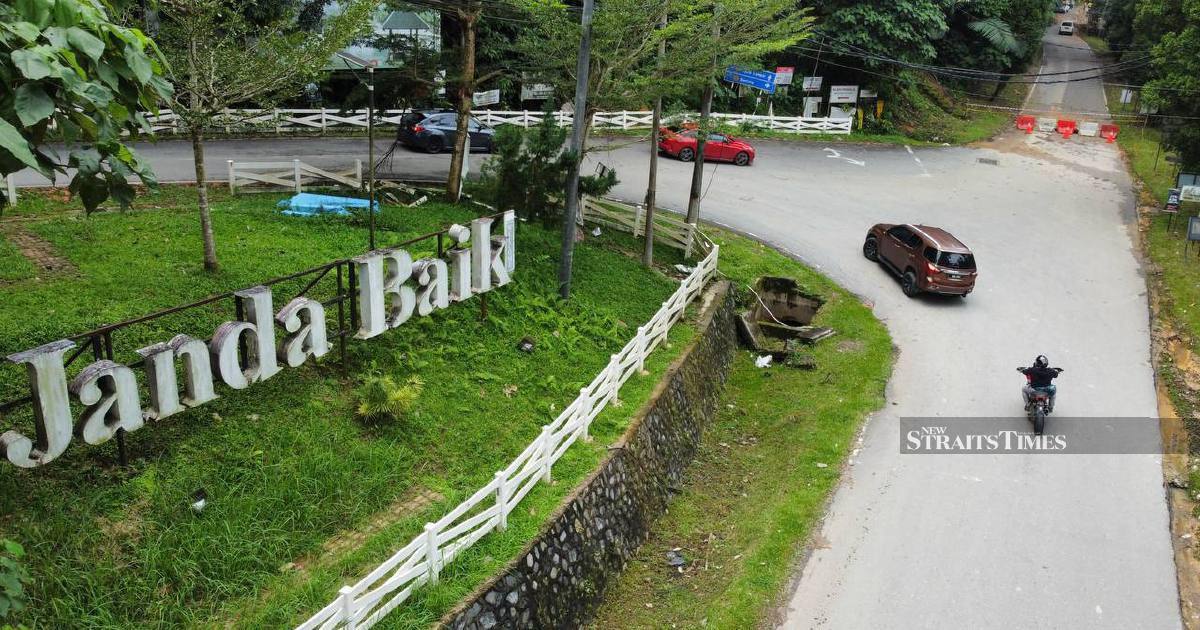
State health authorities in Pahang have initiated a formal investigation into allegations that numerous recreational visitors contracted food poisoning following activities at a river site near Bentong, in the Janda Baik locality. The probe represents an important step in determining whether environmental or sanitary conditions at the popular destination compromised visitor safety during what should have been a routine leisure outing.
The incident highlights ongoing concerns about water safety standards at informal recreational facilities across Malaysia's popular hill and river destinations. Janda Baik, a well-known getaway area that attracts families and tourists seeking respite from urban centres, has long drawn visitors to its natural water sources. Such locations frequently operate with minimal formal oversight, creating potential vulnerabilities when hygiene protocols or water quality monitoring fall short of public health standards.
Multiple visitors reportedly experienced gastrointestinal distress after bathing in the river, prompting concerned relatives and affected individuals to lodge complaints with health authorities. The decision to formally investigate suggests that initial reports contained sufficient detail and consistency to warrant official scrutiny. Health inspectors will likely examine water samples, assess sanitation facilities in the immediate vicinity, and interview affected parties to establish a timeline and potential sources of contamination.
Food poisoning outbreaks linked to recreational water activities often stem from bacterial contamination, typically involving pathogens such as E. coli or salmonella. River environments can harbour these organisms due to upstream agricultural runoff, inadequate sewage treatment in surrounding communities, or animal waste entering waterways. The transition between seasons, particularly during monsoon periods when water volume and flow patterns change dramatically, can increase contamination risks.
For Malaysian health departments, such investigations serve dual purposes: protecting immediate victims through proper medical guidance and preventing future incidents through corrective measures. The Pahang Health Department's response indicates institutional capacity to respond quickly to public health threats, though the speed and thoroughness of such investigations can vary significantly across states and depending on resource allocation.
The Bentong-Janda Baik corridor remains economically dependent on recreational tourism, making health incidents particularly significant for local businesses and communities. Hospitality operators, accommodation providers, and activity coordinators depend on visitor confidence in safety standards. Negative incidents, even when properly managed and resolved, can damage destination reputation and visitor numbers if communication is poor or remedial action appears insufficient.
From a preventative perspective, the incident underscores the necessity for clearer regulatory frameworks governing informal recreational water sites. Many popular river bathing spots operate in a grey zone between private land, public access, and environmental regulation. Establishing basic water quality testing protocols, signage requirements, and sanitation standards could significantly reduce risks while preserving community access to natural amenities.
Visitors to Peninsular Malaysia's recreational water areas should remain vigilant about personal health precautions, particularly at less formally managed facilities. Basic preventive measures include avoiding swallowing river water, ensuring minor cuts and abrasions are covered, and monitoring for gastrointestinal symptoms in the days following water exposure. Families planning visits to similar destinations would be prudent to research any recent health advisories and confirm that facilities maintain appropriate sanitation standards.
The investigation outcome will likely inform future safety protocols, either through voluntary adoption by site operators or through enhanced regulatory guidance from state health authorities. Should contamination be confirmed, authorities may issue temporary closure orders, mandate remediation efforts, or implement ongoing monitoring requirements before allowing resumed public access. Such actions are essential for maintaining public health standards while balancing conservation and recreational access.
For other states managing popular river and hill destinations, the Pahang investigation serves as a reminder of the importance of proactive rather than reactive health management. Establishing baseline water quality data, conducting regular testing during peak seasons, and maintaining clear communication channels between health authorities and recreational site operators can prevent future incidents. This approach protects both visitors and the long-term viability of tourism-dependent communities throughout Malaysia's recreational regions.