The cancellation of India's National Eligibility cum Entrance Test results has plunged more than 2 million medical school hopefuls into a crisis of confidence as they prepare to sit the gruelling examination again on June 21. What should have been a straightforward assessment of their clinical knowledge and problem-solving abilities has instead become a traumatic ordeal, with candidates grappling not only with the inherent difficulty of one of India's most competitive entrance tests but also the psychological toll of feeling victimised by a system they believe has failed them.
The original examination took place on May 3, but authorities took the extraordinary step of invalidating all results after social media allegations surfaced suggesting that the question paper had been compromised and leaked in advance to certain candidates. This revelation transformed what was intended to be a fair nationwide selection process into a symbol of systemic dysfunction, raising uncomfortable questions about the integrity of India's medical education gatekeeping mechanisms and the preparedness of administrative bodies to safeguard the examination process from organised cheating networks.
The stakes involved in this examination cannot be overstated. The National Eligibility cum Entrance Test represents the sole gateway for millions of aspirants seeking to enter India's finite pool of medical school positions, with success rates hovering between just 5 and 6 per cent. For the vast majority of candidates, this means that years of intensive preparation, financial investment, and personal sacrifice culminate in rejection. The prospect of having to endure this gruelling process twice, through no error of their own, has transformed the situation into a mental health emergency affecting an entire generation of aspiring physicians.
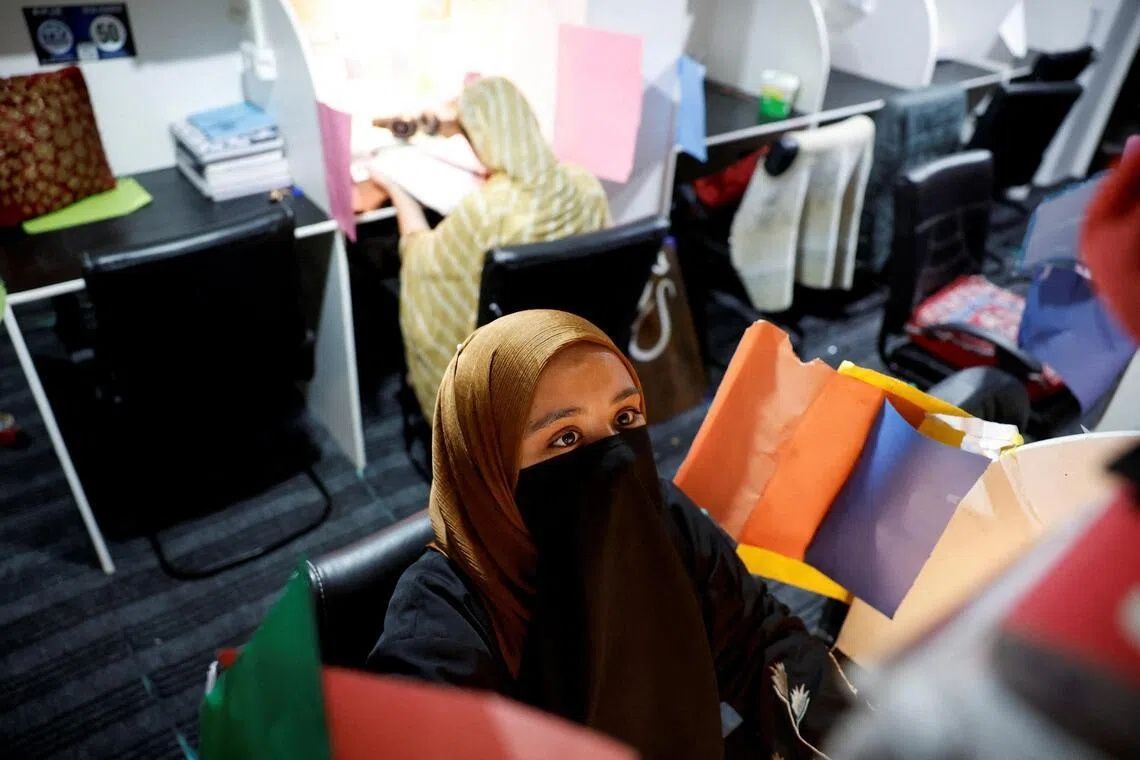
Testimonies from affected students reveal the profound emotional and psychological impact of the exam cancellation and forced retake. Alima Javed, a 20-year-old candidate from Srinagar, articulated the frustration felt across the nation when she described how the examination process itself is mentally depleting, and how the additional burden of knowing that her initial efforts were rendered meaningless has compounded her suffering. Similar sentiments have emerged from Aliya Jalaal, a peer who felt confident about her first attempt but has since deteriorated to the point of requiring psychiatric intervention due to anxiety surrounding the upcoming retake.
The political ramifications of this examination failure have become impossible for the government to ignore. Prime Minister Narendra Modi's administration has faced sustained student-led protests across major cities including New Delhi, with demonstrations drawing hundreds of participants in each location. These coordinated expressions of public discontent have transformed what might otherwise have been a routine administrative matter into a significant political liability. Opposition politicians have seized upon the controversy to criticise the government's competence, while some have made claims linking the scandal to student suicides, allegations that are difficult to independently verify but have nonetheless amplified public concern about the scale of the crisis.
In response to mounting pressure, Education Minister Dharmendra Pradhan has issued reassurances that the re-examination will be conducted with heightened attention to fairness and transparency. However, the government's chosen remedial measures have themselves become controversial. Most notably, authorities imposed a temporary block on the messaging application Telegram, arguing that its anonymity features and the ease with which blocked channels can be recreated made it uniquely suitable for facilitating cheating coordination. This decision has triggered criticism from digital rights advocates and free speech campaigners who contend that such blanket restrictions on communication platforms represent an excessive and disproportionate response.
The legality of the Telegram ban appeared to be settled on June 19 when an Indian court rejected the messaging app's appeal to overturn the suspension, with the judiciary finding that the government's actions were both legally sound and proportionate given the circumstances. The court specifically acknowledged that Telegram presented a distinct case from other messaging platforms, noting the particular challenges posed by its technical architecture and the difficulty of monitoring communications to prevent exam-related malfeasance. This judicial validation has provided the government with cover to maintain the restrictions through the examination period, though civil liberties organisations continue to question whether such measures represent appropriate policy responses.
Behind the scenes, a multi-agency investigation has been mobilised to uncover the full scope of the examination paper leak and identify the networks that orchestrated the alleged cheating scheme. Investigators have been pursuing financial trails, examining money transfers and payments connected to suspected cheating operations, and attempting to trace the exact origins of the leaked materials. Arrests have been made across multiple states, signalling that law enforcement agencies are determined to hold perpetrators accountable. Government officials have publicly committed to introducing stricter penalties for examination malpractice, explicitly positioning enforcement as a deterrent against future schemes.
The security measures announced by authorities represent a comprehensive overhaul of examination procedures. Enhanced surveillance systems will be deployed at test centres, question paper handling protocols will be tightened, and digital tracking technologies will monitor the movement of examination materials from printing facilities through to individual testing locations. These procedural enhancements aim to create multiple checkpoints and layers of verification that would theoretically make large-scale leaks substantially more difficult to execute. Yet despite these ostensibly robust safeguards, many candidates remain unconvinced that the retake will genuinely address their underlying concerns about systemic reliability.
The broader implications of this scandal extend far beyond the immediate cohort of 2 million students facing retakes. India's medical education system, already straining under demographic pressure as hundreds of millions of aspiring healthcare professionals compete for limited positions, faces fundamental questions about institutional integrity and administrative capacity. The incident exposes vulnerabilities in examination security protocols and raises concerns about whether the institutions managing India's healthcare pipeline possess adequate resources and expertise to prevent organised cheating operations from succeeding. For Southeast Asian observers, the situation serves as a cautionary tale about the challenges inherent in scaling high-stakes entrance examinations across large populations without proportional investment in security infrastructure.
The human dimension of this crisis deserves emphasis. These candidates have sacrificed formative years of adolescence and early adulthood to prepare for a single examination, often at considerable emotional and financial cost to themselves and their families. Many come from non-affluent backgrounds where medical education represents a pathway to social mobility and professional stability. The forced retake transforms their postponed aspirations into indefinite uncertainty, with no guaranteed resolution or compensation for the additional psychological burden they are expected to bear. The question of whether enhanced security measures can restore public confidence in the examination system remains fundamentally unresolved.

