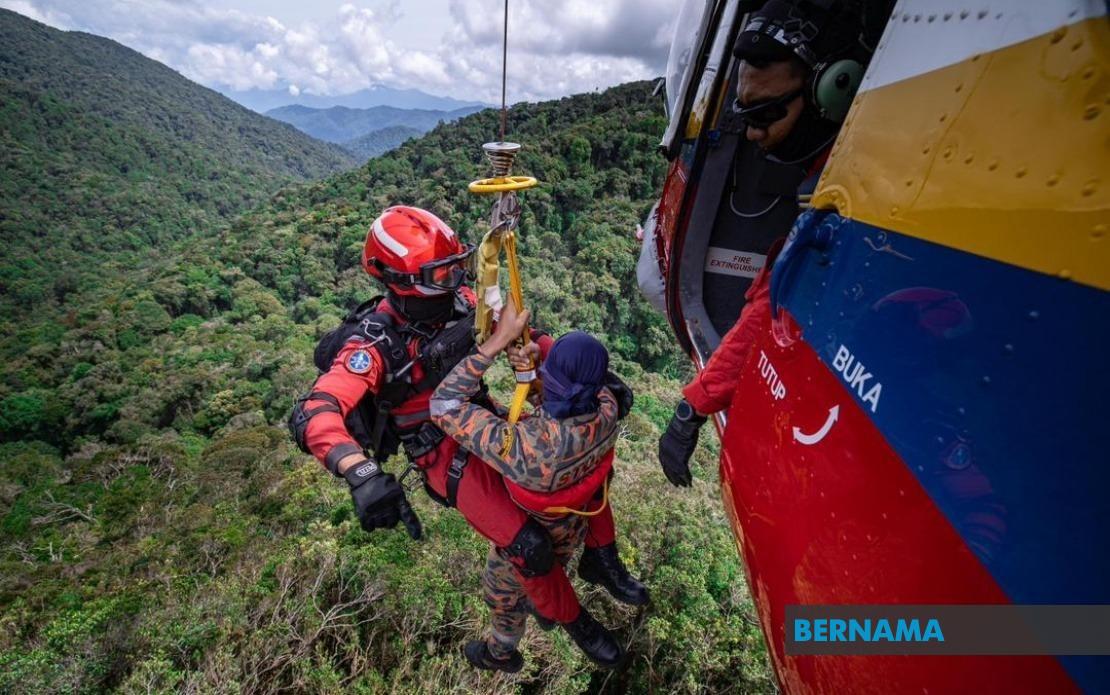
The steady rise in hiking-related accidents across Malaysia has reached alarming levels, with official statistics revealing 1,059 incidents, 63 fatalities and 87 injuries recorded since 2021, according to data presented in Parliament by Deputy Minister of Natural Resources and Environmental Sustainability Syed Ibrahim Syed Noh. These figures, compiled by the Fire and Rescue Department of Malaysia (JBPM), underscore a critical gap between the explosive growth in forest recreational activities and the infrastructure designed to manage them safely.
The surge in hiking accidents reflects a broader trend of increased outdoor recreation among Malaysians, particularly as urban populations seek respite in natural environments. However, this recreational boom has outpaced the development of systematic safety frameworks. The data presented to the Dewan Rakyat signals that authorities can no longer treat hiking trail management as a peripheral concern but must position it alongside other critical public safety domains.
To address these safety deficiencies, the Peninsular Malaysia Forestry Department (JPSM) has implemented the Mountain Risk Assessment and Management Guideline (MoGRAM), developed with technical and financial support from the United Nations Development Programme (UNDP). This framework provides hiking trail operators and managers with evidence-based protocols for identifying hazards, assessing risk levels, and determining appropriate visitor capacities for each trail. The guideline represents a departure from ad-hoc safety approaches toward structured, scientific management of mountainous terrain.
Central to the government's response is the mandatory deployment of certified Forestry Mountain Guides (MGP) across 189 high-risk hiking areas throughout Peninsular Malaysia. These guides undergo rigorous training in emergency protocols, trail maintenance awareness, and visitor safety practices. To date, approximately 2,322 individuals from local and indigenous communities have earned MGP certification through dedicated skills development programmes. This initiative simultaneously addresses safety concerns and creates employment pathways for rural populations adjacent to forest reserves.
The certification programme is particularly significant for Malaysia's indigenous and local communities living near Permanent Reserved Forests (HSK). By channelling training and employment through these communities, the government creates economic incentives aligned with conservation objectives. Indigenous guides bring inherent knowledge of forest ecosystems, weather patterns, and navigation challenges that complement formal safety training, making them invaluable assets for managing hiking activities responsibly.
A transformative development on the horizon is the creation of a sophisticated hiking trail management system leveraging geospatial technology, geographic information systems (GIS), and remote sensing capabilities. In collaboration with the Malaysian Space Agency (MySA), the JPSM is developing infrastructure that would centralise hiking trail mapping and monitoring nationwide. This technological framework would enable real-time tracking of trail conditions, identification of hazards, and rapid identification of missing hikers during search and rescue operations.
Currently, hiking activity registration in Permanent Reserved Forests operates on a decentralised basis, with state forestry departments managing permits through either manual processes or individual online platforms. This fragmented approach creates data silos that hamper national-level coordination and emergency response effectiveness. A unified digital registration log system would standardise data collection across state boundaries and provide authorities with comprehensive visibility into hiker movements, critical information during emergencies when every minute matters in locating missing persons.
The proposed national digital system addresses a fundamental weakness in Malaysia's current hiking safety architecture. By creating systematic records of who is hiking where and when, authorities can dramatically accelerate search and rescue operations. When hikers become overdue, rescue teams would access precise trail data and last-known positions from the centralised system, eliminating delays inherent in manual coordination between multiple agencies and state departments. For Southeast Asian readers, this represents a modernisation effort comparable to initiatives undertaken in more developed mountainous nations like Japan and South Korea.
However, implementing a national digital hiking registration system raises important questions about data governance, privacy protections, and accessibility across Malaysia's diverse socioeconomic landscape. The government must ensure that technological adoption does not discourage hiking participation among lower-income groups or indigenous communities unfamiliar with digital platforms. Balancing safety imperatives with inclusive access requires thoughtful implementation, potentially involving both digital and non-digital registration pathways during transition periods.
Beyond infrastructure and systems, the government emphasises continuous professional development for mountain guides and nature guides operating across Malaysia's hiking landscape. Regular training encompasses hiking safety protocols, risk management methodologies, comprehensive first aid instruction, wilderness survival techniques, and advanced search and rescue methods. This investment in human capital recognises that technology augments but cannot replace experienced guides who make real-time decisions protecting hikers in unpredictable mountain environments.
The 63 deaths recorded since 2021 represent preventable tragedies in many cases, underscoring that hiking safety encompasses multiple layers: pre-hike preparation including fitness assessment and route planning, during-hike supervision by trained guides, proper equipment provision, and post-incident emergency response. The government's multifaceted approach—combining guideline frameworks, certified personnel, technological systems, and ongoing training—represents comprehensive risk management rather than piecemeal responses to individual accidents.
For Malaysia's tourism industry and hiking enthusiasts, these safety enhancements should ultimately increase confidence in forest recreational activities. Tourists and domestic hikers are more likely to participate in well-managed trails with visible safety infrastructure and trained personnel. As Malaysia positions itself as a regional adventure tourism destination, establishing world-class hiking safety standards provides competitive advantage and attracts higher-spending visitors seeking responsible outdoor experiences. The 1,059 accidents since 2021 represent a call to action that government, private operators, and hiking communities are collectively answering through systematic reform.

