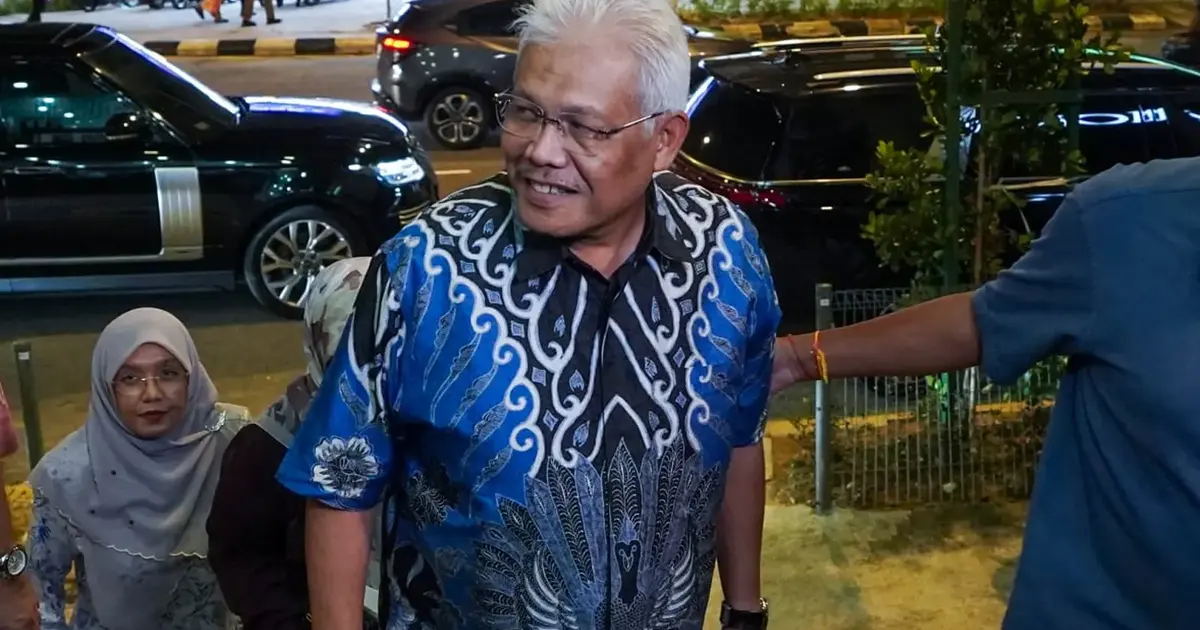
Opposition Members of Parliament, among them Hamzah, gathered at the headquarters of the Malaysian Islamic Party (PAS) in what observers view as a significant indicator of shifting political alliances within Malaysia's fragmented parliamentary landscape. The meeting underscores the volatile nature of coalition politics in the country, where alignments frequently reshape as parties pursue strategic advantage and navigate ideological differences.
The convening of these lawmakers occurs against the backdrop of extraordinary turbulence afflicting Perikatan Nasional (PN), the opposition coalition that has served as the primary challenger to the ruling Pakatan Harapan administration. The instability stems directly from PAS's controversial decision last week to sever formal ties with Bersatu, the party founded by former Prime Minister Mahathir Mohamad. This rupture represents a major fracture within PN's structure and immediately raised questions about the coalition's viability as a cohesive political force capable of presenting a unified alternative government.
The timing of these discussions at PAS headquarters suggests deliberate political manoeuvring by senior opposition figures seeking to navigate the emerging power vacuum created by the breakdown. PAS, as the larger and more established Islamic-oriented party within PN, has positioned itself to potentially reshape the opposition coalition according to its own strategic priorities. By hosting meetings with key opposition lawmakers, PAS appears to be consolidating influence and exploring potential new alignments that could strengthen its negotiating position in any future government formation.
For Malaysian political observers, the gathering highlights how fragile opposition unity remains despite years of electoral competition against the government. The fact that multiple opposition MPs felt compelled to visit PAS headquarters suggests serious discussions about coalition structure are underway. These conversations likely touch upon critical issues including leadership arrangements, parliamentary strategy, and potentially new coalitional partnerships that could emerge from PN's instability.
The breakdown between PAS and Bersatu is particularly significant because it removes one of the few unifying factors that had previously held PN together despite ideological tensions. PAS brings Islamic credentials and traditional Malay-Muslim support, while Bersatu brought organisational machinery and younger, reform-minded leadership under Mahathir's stewardship. Their separation forces remaining PN components to reconsider fundamental questions about the coalition's purpose, direction, and viability as a governing alternative.
For Hamzah specifically, his presence at these meetings underscores his continued relevance within opposition circles despite previous political transitions. His participation suggests that major opposition figures across different parties recognise the necessity of coordinating strategy during this period of instability. Such coordination becomes increasingly crucial when the ruling coalition faces its own internal pressures and when voters may be evaluating different political options ahead of potential electoral contests.
The broader implications for Malaysian politics are substantial. The opposition coalition structure has historically provided an important counterbalance to government authority, even when out of power. When PN fragments, it risks diminishing opposition effectiveness in parliament, reducing scrutiny of government policies, and potentially fragmenting anti-government voting blocs. Conversely, if PN members can successfully reorganise, they might emerge stronger with clearer ideological coherence and more stable internal relationships.
Regional observers increasingly watch Malaysian coalition politics as a test case for how Islamic-oriented parties navigate power-sharing arrangements with secular and reform-minded partners. The PAS-Bersatu split provides valuable lessons about the underlying tensions that persist even within nominally united political structures. These tensions often reflect deeper disagreements about governance philosophy, religious emphasis in state policy, and the balance between traditional and modern approaches to political leadership.
PAS's decision to distance itself from Bersatu may reflect calculations about its electoral prospects and ideological compatibility with different potential partners. By strengthening relationships with other opposition lawmakers and parties, PAS could be positioning itself as the natural anchor for a new opposition coalition structure. Such positioning would enhance PAS's influence in any future negotiations about government formation, ministerial appointments, and policy direction.
For Southeast Asia more broadly, Malaysian coalition dynamics matter because they affect the region's largest Muslim-majority democracy and influence regional geopolitical alignments. Opposition restructuring could eventually impact Malaysia's international relationships and positioning within regional organisations. Furthermore, the fluidity of opposition coalitions reflects broader regional trends where traditional party alignments increasingly fracture under pressure from generational change, urbanisation, and evolving voter preferences.
The meetings at PAS headquarters therefore represent more than routine parliamentary coordination. They signal active repositioning by opposition forces attempting to adapt to rapidly changing political circumstances. Whether these discussions ultimately strengthen opposition effectiveness or further fragment it remains uncertain, but their occurrence confirms that Malaysia's political landscape continues undergoing significant realignment as traditional coalitional structures prove insufficient for managing contemporary political rivalries and partnerships.
As these developments unfold, government leaders will undoubtedly monitor opposition movements closely. The consolidation or fragmentation of opposition forces carries direct implications for parliamentary dynamics, legislative agenda-setting, and the government's ability to advance its policy priorities without excessive obstruction. The next weeks will prove crucial in determining whether opposition parties can forge a durable new arrangement or whether PN's fracturing signals a longer-term decline in unified opposition influence.