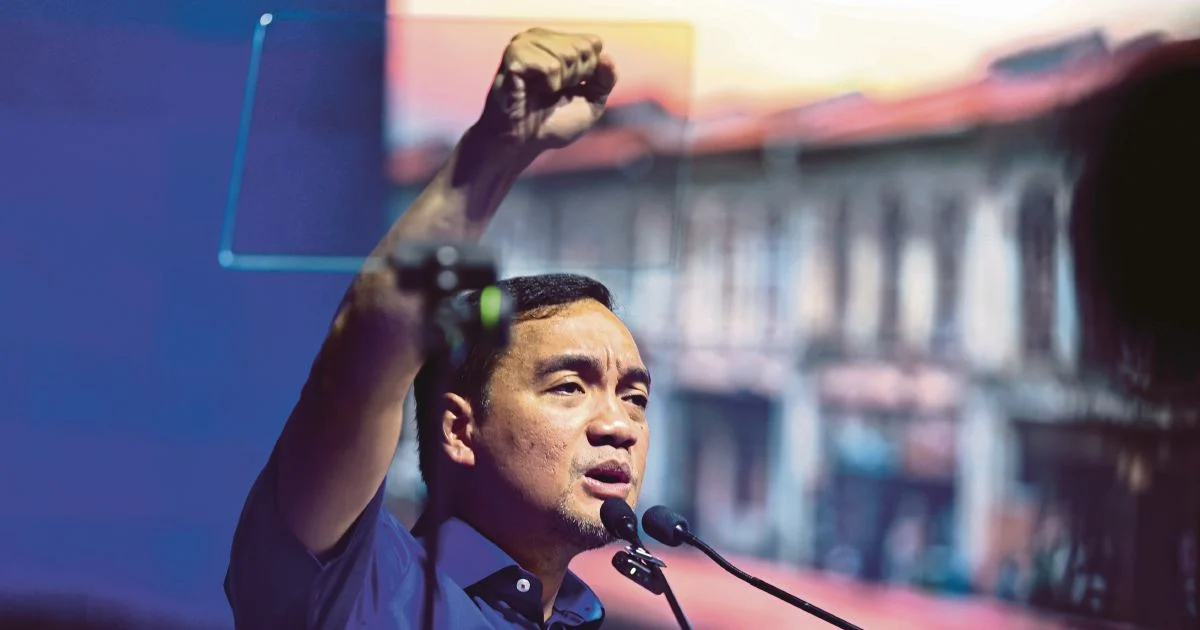
Datuk Onn Hafiz Ghazi, who serves as caretaker Menteri Besar of Johor, has announced his intention to contest the Machap state constituency in the upcoming Johor state election. The decision underscores his confidence in retaining support from voters in the district, which has been his political stronghold.
The Machap seat carries significant weight in Johor's political landscape, serving as the foundation of Onn Hafiz's influence within the state administration. By choosing to defend this constituency, he signals continuity in his approach to state governance and his commitment to the local community that has repeatedly endorsed him at the ballot box.
As caretaker Menteri Besar, Onn Hafiz currently holds the top executive position in Johor's state government during the campaign period preceding the election. This role requires him to manage state affairs while remaining politically active as a candidate, balancing administrative duties with electoral preparations. The timing of his announcement reflects the standard practice of state leaders confirming their candidacies as elections draw closer.
Machap, located within Johor's electoral map, has historically been an important seat for UMNO, the dominant coalition partner in the state. The constituency's voter profile and demographic composition have made it a reliable base for the ruling coalition's candidates. Onn Hafiz's decision to contest from this seat rather than seek a higher position demonstrates a strategic focus on maintaining legislative presence and grassroots support.
The upcoming Johor election will test the governing coalition's popularity amid broader political developments across Malaysia. State elections in Johor have traditionally reflected voter sentiment across the country, and this contest is expected to be closely watched as a barometer of public opinion. Onn Hafiz's candidacy will be central to assessing whether the ruling coalition can sustain its dominance in the southern state.
For Malaysian observers tracking Johor politics, the state election represents an important juncture. Johor's economic significance, with its manufacturing sector, port operations, and growing tech industry, makes its governance consequential for the broader region. The election outcome will influence policy direction on infrastructure development, business-friendly regulations, and regional economic initiatives that extend beyond the state's borders.
Onn Hafiz's track record as Menteri Besar since 2022 includes various development projects and administrative reforms. His tenure has focused on modernising state institutions and promoting foreign investment, positioning Johor as a competitive location for regional businesses. His candidacy from Machap provides continuity to these initiatives if his coalition retains control of the state government.
The election also carries implications for Malaysian political realignment. Johor's outcome may influence coalition dynamics at the federal level, particularly regarding the strength of UMNO within the ruling Barisan Nasional coalition. As Southeast Asian countries often observe Malaysian political developments closely, the Johor election reflects broader trends in regional democratic practice and coalition politics.
Opposition parties are also gearing up to contest multiple seats across Johor, setting the stage for competitive campaigns across numerous constituencies. The electoral battle will extend beyond high-profile candidates like Onn Hafiz to include numerous local contests that will shape the composition of the state assembly. These contests will determine not only the balance of power in Johor but also the trajectory of state policies affecting education, healthcare, and economic development.
Voters in Machap and across Johor will ultimately decide whether to endorse Onn Hafiz and his coalition partners or opt for an alternative political direction. The campaign period ahead will likely feature extensive engagements between candidates and constituents across various platforms, from traditional town halls to digital channels. This electoral process reflects the democratic traditions that have characterised Malaysian politics, with parties competing vigorously for public mandate.
The Johor election stands as a significant event in Malaysia's political calendar, with implications extending to state development, federal coalition stability, and regional governance. Onn Hafiz's decision to defend Machap signals his confidence in the electoral process and his commitment to continuing his leadership role in the state's administration. The coming weeks will reveal whether voters in Johor endorse his vision for the state's future.

