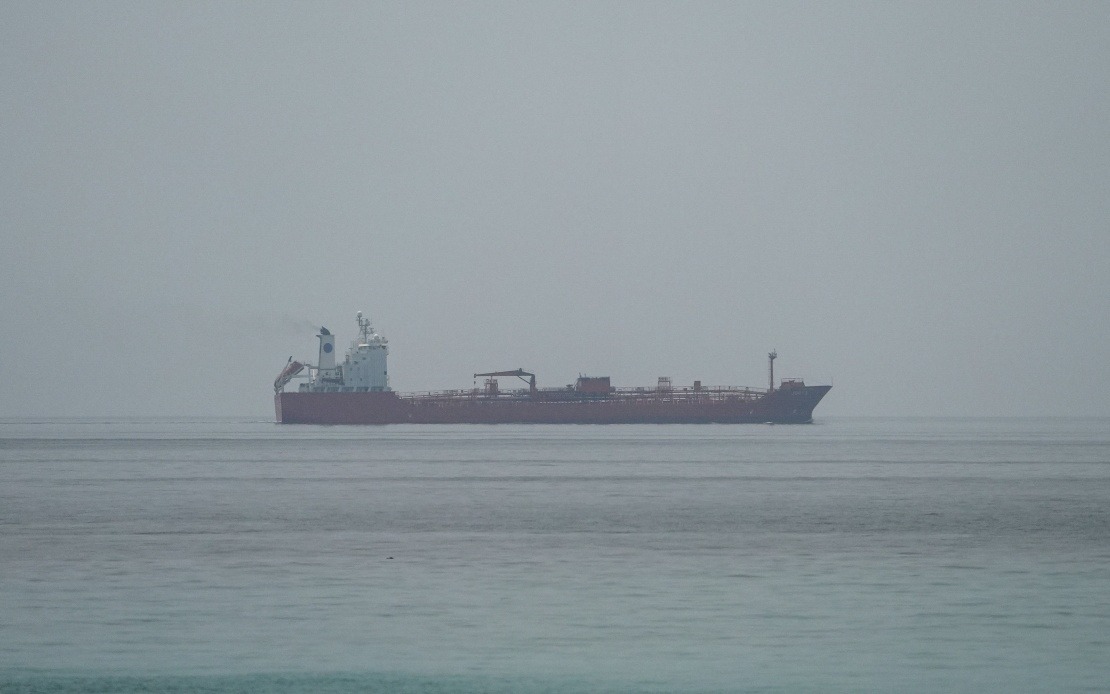
Oman has thrown its weight behind the recently concluded memorandum of understanding between the United States and Iran, signalling strong regional backing for the agreement during discussions with Gulf Cooperation Council members and American officials in Bahrain. Speaking at the joint ministerial gathering, Omani Foreign Minister Badr Albusaidi underscored his nation's belief that the accord represents a significant opportunity to restore stability to one of the world's most geopolitically sensitive regions while simultaneously protecting the integrity of maritime commerce through the Strait of Hormuz.
As a nation whose coastline directly abuts the Strait of Hormuz, Oman occupies a unique position in discussions surrounding regional maritime security and freedom of navigation. The sultanate's endorsement carries particular weight given its geographic proximity to the strategic waterway and its historical role as a mediator in Middle Eastern disputes. Albusaidi framed Oman's support not merely as a diplomatic gesture but as an expression of the country's inherent responsibility to champion international efforts designed to preserve unimpeded passage through these waters in accordance with established maritime law and the provisions of the UN Convention on the Law of the Sea.
Crucially, Albusaidi explicitly stated that any future arrangements governing transit through the strait will categorically exclude the imposition of transit fees, a reassurance likely directed toward international shipping interests and energy markets dependent on unobstructed access to the waterway. This declaration represents a firm commitment from Muscat to maintaining the status quo regarding free and secure passage, a principle fundamental to global energy security given that the Strait of Hormuz serves as a critical chokepoint for oil and liquefied natural gas shipments destined for international markets, particularly Asia-Pacific nations including Malaysia.
The timing of Oman's statement assumes added significance when viewed against the backdrop of escalating military tensions that have gripped West Asia in recent months. February witnessed a dramatic exchange of strikes between the United States and Israel against Iran, followed by Iranian retaliatory attacks directed at Israel and facilities housing American military personnel throughout the region. These tit-for-tat military operations created a climate of uncertainty regarding the security of maritime corridors and raised concerns among global energy importers about potential disruptions to shipping and supply chains.
The Iran-US accord, which incorporated mediation efforts from Pakistan, finally entered into force on June 18 following electronic signature by Iranian President Masoud Pezeshkian and American President Donald Trump. The agreement encompasses fourteen distinct points addressing multiple dimensions of the conflict, spanning commitments to cease hostilities across Lebanon and other theatres, the restoration of navigable conditions through the Strait of Hormuz, and the withdrawal of the American naval blockade that had previously restricted Iranian maritime activities. These provisions directly address the core security concerns that had prompted the military escalation and threatened regional stability.
For Southeast Asian nations, particularly maritime-dependent economies like Malaysia, the restoration of calm in the Strait of Hormuz carries profound implications for energy costs, supply chain resilience, and insurance premiums for vessels transiting the region. Any prolonged disruption to shipping through this passage would reverberate across regional economies reliant on predictable energy supplies and efficient maritime trade routes. Oman's categorical assurance regarding fee-free transit therefore provides reassurance to stakeholders throughout Asia that the agreement will not introduce new financial barriers to commerce.
The GCC's regular consultations with the United States on regional security matters, political coordination, and economic cooperation reflect the ongoing dialogue between Western powers and Gulf states regarding their collective interests in maintaining stability. These meetings serve as forums where consensus is built on contentious issues and where regional actors voice their perspectives on developments affecting their strategic and economic wellbeing. Oman's intervention at this particular gathering demonstrates that even among Gulf partners traditionally aligned with the United States, there exists recognition of the necessity to engage constructively with Iran to prevent further military escalation.
Oman's position also reflects broader regional sentiment that military solutions to political disputes have proven counterproductive and that diplomatic frameworks, however imperfectly constructed, offer more durable pathways toward sustainable peace. The sultanate's historical positioning as a bridge-builder between Iran and its Arab neighbours has consistently informed its foreign policy approach, and its backing for the new agreement represents a continuation of this strategy. By explicitly affirming the importance of the memorandum's success, Oman signals to both Iran and the Western powers that meaningful stakeholders in the region view the accord as deserving of serious commitment and implementation.
The emphasis placed on maintaining free transit through the Strait of Hormuz addresses one of the most fundamental economic concerns arising from the preceding conflict. Threats to shipping through this passage generate immediate ripple effects across global markets, influencing energy prices, insurance costs, and investment decisions. Malaysian businesses engaged in international trade, energy procurement, and shipping logistics stand to benefit materially from Oman's assurances that navigational freedoms will not be compromised by the new political arrangements.
Looking forward, the implementation of the Iran-US memorandum will depend significantly on the commitment of regional actors to observe its provisions and to discourage provocative actions that might trigger renewed tensions. Oman's public endorsement and specific guarantees regarding maritime passage constitute concrete steps toward embedding the agreement within the regional framework and establishing expectations of compliance among international stakeholders. The success of this accord in reducing tensions and normalising maritime conditions will demonstrate whether diplomatic channels and international mediation can effectively manage deep-rooted regional conflicts.

