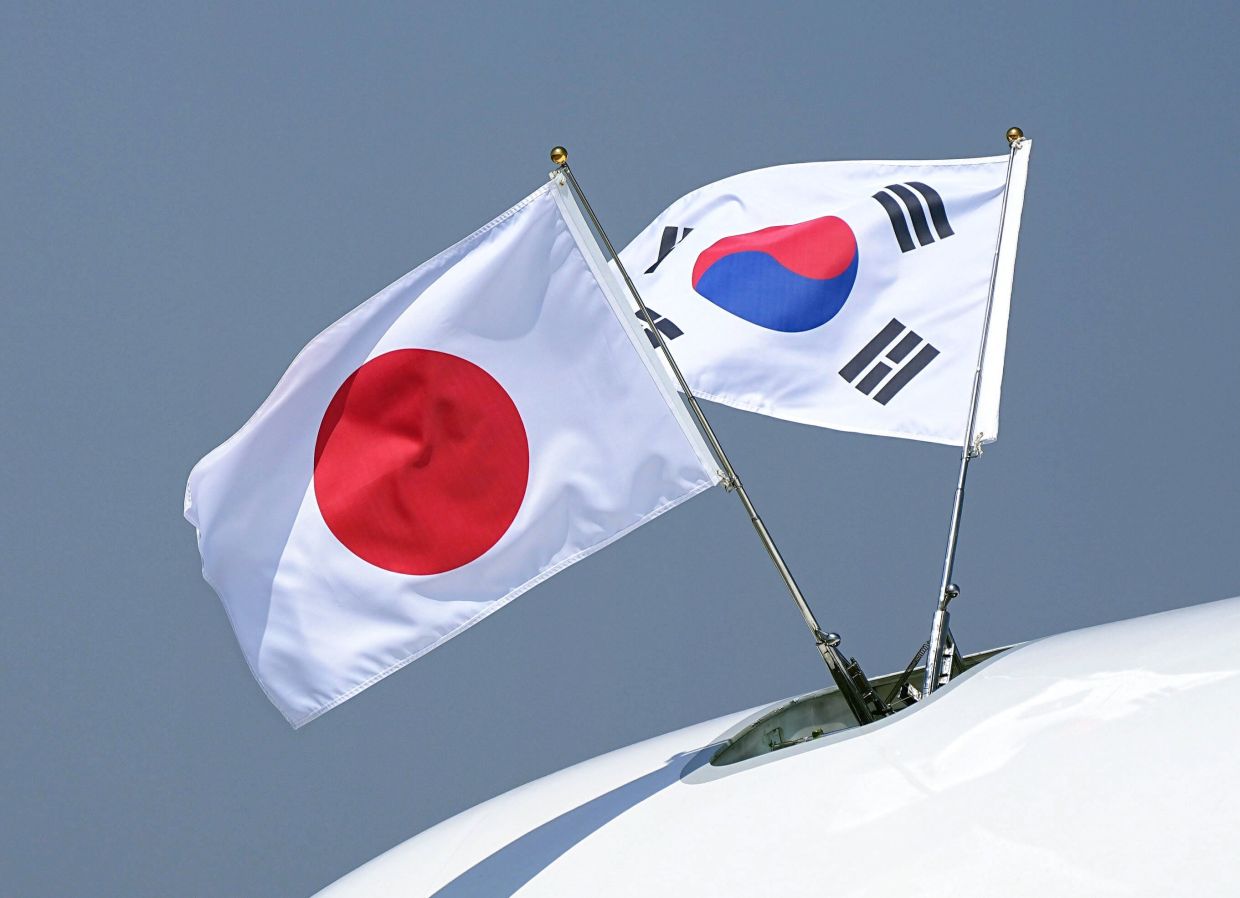
A comprehensive survey of strategic decision-makers in Japan and South Korea reveals a striking disconnect between elite opposition to nuclear weapons and the growing appetite for them among ordinary citizens, raising alarm bells about the fragility of nuclear restraint in Northeast Asia. The research, released Thursday by Washington-based think tank the Center for Strategic and International Studies, exposes a troubling vulnerability in the regional security architecture: the consensus against atomic weapons among government officials, lawmakers, academics and corporate leaders could evaporate rapidly if either Japan or South Korea decides to pursue nuclear capability.
The survey, which closed at the end of October and was directed by CSIS geopolitics chief Victor Cha and Japan chair Kristi Govella, gathered responses from current and former government officials, parliamentarians, academics, think tank experts and senior business figures. The results paint a picture of restraint that contrasts sharply with public sentiment, particularly in South Korea. Approximately 75 per cent of South Korean strategic elites and nearly 80 per cent of their Japanese counterparts expressed opposition or significant doubt about their nations acquiring nuclear weapons. Yet this elite consensus masks a widening fissure with public opinion, especially south of the border.
Public polling data reveals the vulnerability underlying these elite positions. A 2024 survey commissioned by the Chey Institute for Advanced Studies and conducted by Gallup Korea found that over 72 per cent of South Korea's general population supports national nuclear weapons development. This 50-point gap between elite scepticism and public enthusiasm suggests that political leaders would face intense domestic pressure if security concerns shifted or if a rival nation took the leap toward weaponisation. Japan presents a different picture, where elite and public views remain more closely aligned. According to Govella, roughly 80 per cent of the Japanese public also opposes nuclear weapons, and media narratives suggesting momentum within Japanese policy circles toward atomic arming have been substantially exaggerated.
The real risk, however, lies not in the current consensus but in its fragility under changed circumstances. CSIS experts warned at Thursday's publication event that should either nation decide to acquire nuclear weapons, support for such a move in the other country could surge dramatically and rapidly. The cascading effect of unilateral action could potentially dwarf the destabilising impact of reduced United States military presence in the region, fundamentally altering the nuclear balance in Northeast Asia. This scenario represents perhaps the most underappreciated risk to regional stability, quietly lurking beneath public discourse that treats nuclear weapons as an established taboo.
The survey identified starkly different drivers behind the minority support for weapons in each nation. South Korean advocates for nuclear arms centre their case almost exclusively on countering the North Korean threat, viewing atomic capability as the ultimate guarantor against Pyongyang's weapons and conventional forces. Japanese supporters, by contrast, worry primarily about the long-term reliability of American extended deterrence commitments, fearing that Washington might eventually reduce its security guarantees or reposition military forces away from the region. These distinct motivations suggest that different policy levers could address escalating pressure in each country, though neither government currently shows appetite for such dramatic shifts.
The timing of this survey is significant given concurrent diplomatic efforts underway in the region. Earlier this month, the United States conducted bilateral nuclear consultations in Seoul aimed at strengthening cooperation frameworks with South Korea, followed by extended deterrence discussions with Japanese counterparts in Tokyo. These American initiatives represent an attempt to reinforce the credibility of the existing deterrent architecture and reassure allies that Washington remains committed to their security. The survey findings suggest that such reassurance, while necessary, may become insufficient if public pressure in either nation reaches critical mass or if regional security dynamics shift unexpectedly.
Meanwhile, China has intensified its rhetoric about Japanese military developments, repeatedly accusing Tokyo of pursuing "remilitarisation" including potential nuclear weapons programmes. Beijing's allegations, while partly exaggerated for diplomatic effect, reflect genuine anxieties about a neighbourhood that could eventually abandon the nuclear restraint norms that have governed the region for decades. Chinese pressure, ironically, could accelerate the very outcome Beijing claims to fear by further convincing Japanese publics and policymakers that national nuclear capability represents an essential security investment.
The broader American nuclear posture also shapes this regional equation. Brandon Williams, the Department of Energy's Under Secretary for Nuclear Security, stated on Thursday that the United States must dramatically increase its own nuclear weapons production capacity to address strategic competition. The administration plans to invest $600 million in artificial intelligence this year to accelerate nuclear weapons design and production, aiming to collapse the current 10- to 15-year development timeline for new systems. This American rearmament trajectory, while aimed at great power competition with Russia and China, sends signals that the nuclear era remains fundamental to great power politics, potentially undercutting arguments that Japan and South Korea can safely forgo such capabilities.
Within CSIS policy discussions on Thursday, experts also debated whether the United States should equip hypersonic missiles with nuclear rather than conventional warheads. Heather Williams, director of CSIS's nuclear issues project, argued that nuclear-armed hypersonic weapons should form part of the American arsenal to increase strike flexibility and confound adversary decision-making. She contended that a more credible and diversified nuclear deterrent would reassure regional allies and thereby reduce proliferation incentives—a conclusion directly validated by the survey showing that more confident allies prove less inclined to pursue independent nuclear capability.
This dynamic creates a complex policy puzzle for Washington. Efforts to strengthen extended deterrence commitments and increase nuclear force credibility might reassure allies temporarily, but they also implicitly acknowledge that traditional deterrence relationships may not endure indefinitely. For Japan and South Korea, hedging strategies that maintain technological capacity for rapid weapons development while preserving the political option to weaponise represent an increasingly attractive middle ground. The CSIS survey suggests that as long as strategic elites retain public confidence and security conditions remain stable, nuclear restraint can hold. But the moment either condition deteriorates, the consensus could shatter with surprising speed, transforming the regional security landscape entirely.

