The Malaysian Defence Ministry has pushed back against criticism over the RM571.9 million payment to Norway for the Naval Strike Missile anti-ship system, clarifying that the expenditure was disbursed strictly in line with contractual milestones rather than as an upfront advance without corresponding deliverables. This defence came in response to parliamentary questions about whether the government had released funds prematurely and whether the procurement agreement adequately protected Malaysian interests.
According to the ministry's written parliamentary reply, the payment was only authorised after the Norwegian supplier had completed full manufacturing of all NSM systems destined for Malaysia's Littoral Combat Ship fleet. The systems had undergone rigorous testing protocols established by the Royal Malaysian Navy and had achieved readiness for handover before any money changed hands. This sequence of events stands in contrast to suggestions that Malaysia had paid before receiving tangible assets or guarantees of delivery.
The ministry further contended that the procurement contract contains robust protective mechanisms for the government, contrary to claims that the agreement lacked adequate safeguarding provisions. These contractual clauses grant Malaysia remedies in cases of supplier non-performance or breach of obligations, though the specific details of these protections were not elaborated in the parliamentary response. The government is now invoking these provisions to pursue recovery of the payment and associated damages, signalling a formal legal approach to address fallout from the Norwegian export licence cancellation.
The crux of the current predicament stems from the Norwegian government's decision to revoke the export licence for the NSM systems. The Defence Ministry characterised this move as an event beyond the control of both the Malaysian authorities and the commercial supplier, effectively an act of a sovereign foreign government that neither party anticipated or could prevent. This distinction matters significantly for contract interpretation and liability allocation, as force majeure or similar clauses might apply depending on how the agreement defines circumstances beyond reasonable control.
The licensing revocation has created substantial uncertainty around whether Malaysia will ultimately receive the missile systems it has already paid for in full. Norwegian government policy, influenced by concerns about military equipment exports and geopolitical considerations, effectively froze the transaction. Malaysia now finds itself in the position of a buyer holding contractual rights to goods that the Norwegian state will no longer permit to be exported, a predicament with no straightforward resolution. The ministry's invocation of contractual remedies suggests Malaysia intends to challenge the situation legally, though recovering funds from a foreign government or vendor when a sovereign state has forbidden the transaction presents formidable legal obstacles.
Despite these complications, the Defence Ministry sought to reassure lawmakers and the public that the immediate operational capacity of the Malaysian Armed Forces remains uncompromised. The Royal Malaysian Navy retains its existing inventory of maritime weapons and defensive systems, ensuring that the country's ability to protect territorial waters and maritime interests has not diminished. This reassurance, while factually accurate regarding current capacity, sidesteps the larger question of whether Malaysia's naval modernisation plans have suffered a setback that will require substantial recalibration.
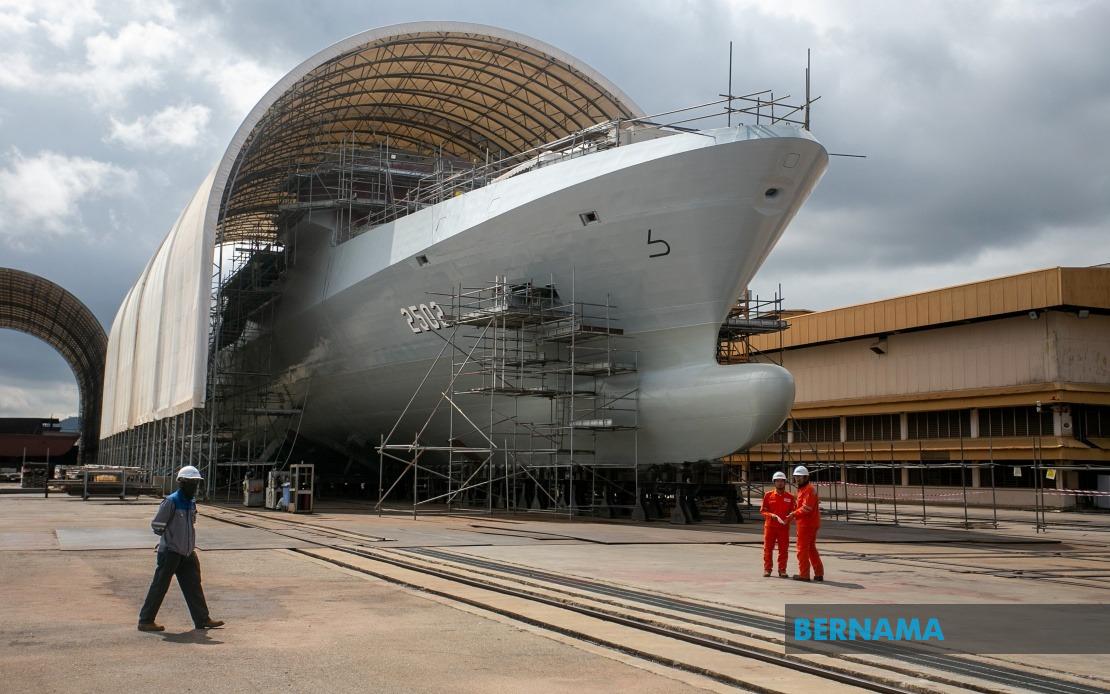
The ministry acknowledged that the Littoral Combat Ship delivery schedule itself has not been disrupted by the missile licensing problem. This separation between the vessel platform and its intended weaponry suggests that Malaysia may receive the LCS hulls and associated conventional systems on time, even as the NSM integration remains unresolved. The distinction, however, highlights that an incomplete LCS without its intended primary anti-ship missile capability is a less potent naval asset than originally envisioned, potentially affecting operational doctrine and threat assessment for regional maritime defence.
The Royal Malaysian Navy is now actively evaluating alternative missile systems that could potentially substitute for the NSM platform. This search process will require identifying systems compatible with the LCS platform architecture, assessing performance specifications against original requirements, navigating export licensing arrangements with other supplier nations, and ultimately securing parliamentary or ministerial approval for additional procurement. The timeline for identifying and integrating a replacement system remains uncertain, and any alternative may come at additional cost or with different operational characteristics than the Norwegian system.
The NSM situation reflects broader procurement vulnerabilities that Southeast Asian nations face when acquiring advanced military technology from developed countries. Export controls remain a sovereign prerogative of supplier nations and can shift unpredictably based on foreign policy considerations, geopolitical alignments, or domestic political pressures. Malaysia's experience underscores the risks of depending heavily on single suppliers for critical defence systems and the importance of securing contractual provisions that address licensing contingencies, despite the diplomatic and commercial complexities of negotiating such terms with major defence contractors and their home governments.
For Malaysian defence planners, this episode may catalyse a strategic reassessment of procurement sourcing strategies and contract negotiation approaches. Future agreements might benefit from explicit provisions addressing government export licensing contingencies, staged payment schedules that tie disbursements to actual physical delivery rather than manufacturing completion, and alternative sourcing arrangements for critical components. The challenge lies in balancing such protective measures with the commercial realities that international defence suppliers operate within, where overly restrictive contractual language or multiple sourcing requirements can increase costs or reduce vendor competition.

