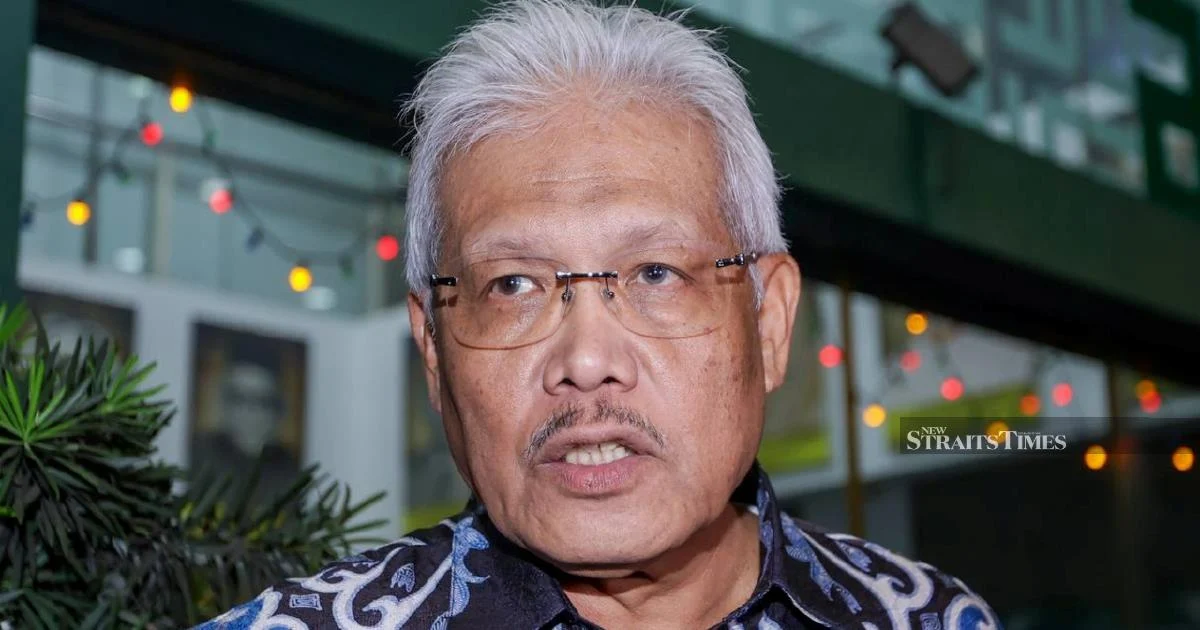
Datuk Seri Hamzah Zainudin's designation as leader of the parliamentary opposition will be formally communicated to the Dewan Rakyat Speaker in the coming days, well ahead of the legislature's next sitting. The administrative notification represents an essential procedural step that formalises his position within the institutional framework of Parliament, ensuring that all parliamentary records and protocols accurately reflect the new leadership structure of the opposition benches.
This notification serves multiple purposes within Malaysia's parliamentary system. Beyond its ceremonial significance, the formal submission triggers various operational and administrative arrangements that govern how the opposition interacts with the government and conducts its legislative duties. The Speaker's office relies on such official notifications to update seating arrangements, question times, and opportunities for opposition addresses, all of which form the backbone of parliamentary procedure and parliamentary accountability mechanisms.
The timing of the submission reflects careful coordination within opposition ranks to ensure procedural compliance. By delivering the notice before the next parliamentary session convenes, opposition leadership ensures that all arrangements are in place for Hamzah to exercise the formal powers and responsibilities attached to his new role from the outset of the sitting. This includes the ability to participate in parliamentary protocol events reserved for the official opposition leader and access to related privileges and resources.
Hamzah's appointment to this position carries significant political weight in Malaysia's current legislative landscape. As opposition leader, he becomes the principal spokesperson for the collective opposition voice in Parliament, tasked with articulating alternative policies, scrutinising government proposals, and mobilising fellow opposition members around shared legislative priorities. The role demands not only political skill but also parliamentary acumen, as the leader must navigate complex procedural rules and manage a potentially diverse coalition of MPs from different parties and backgrounds.
The formal notification process underscores the importance that Malaysia's parliamentary democracy places on institutional clarity and proper procedure. Even amid political shifts, the system maintains its structural integrity through adherence to established protocols. This commitment to procedural regularity, regardless of who holds power or leads the opposition, reinforces parliamentary stability and public confidence in democratic institutions.
For Malaysian lawmakers and observers alike, Hamzah's assumption of this leadership role marks a significant moment in the current political cycle. The opposition leader position carries considerable influence over parliamentary business, from determining which topics receive opposition scrutiny to shaping public discourse around government policies. The formal notification thus signals not just an administrative action but a substantive shift in how parliamentary opposition will be organised and articulated during the upcoming legislative session.
The opposition leader also typically enjoys enhanced access to media platforms and public engagement opportunities, recognising the role as central to Malaysia's system of representative democracy. The position acknowledges that credible parliamentary opposition requires not just numbers but institutional recognition and the machinery to translate opposition sentiment into effective parliamentary action. Through the formal notification process, Parliament acknowledges Hamzah's new status and the authority this brings to his voice during legislative debates.
From a Southeast Asian perspective, Malaysia's adherence to formal procedural notification demonstrates the maturity of the nation's democratic institutions. While political tensions periodically surface in Malaysian politics, the commitment to proper administrative and parliamentary procedure remains robust. This consistency provides a measure of institutional predictability that benefits both lawmakers and citizens seeking to understand and engage with the legislative process.
The notification will likely be processed smoothly through the Speaker's office, which maintains institutional procedures independent of political considerations. The Speaker's role as custodian of parliamentary procedure ensures that such notifications are handled with appropriate formality and recorded in official parliamentary records. This documentation creates a clear institutional record of opposition leadership structures for parliamentary historians and democratic observers.
Looking forward, Hamzah's formal recognition as opposition leader will reshape parliamentary dynamics in subtle but meaningful ways. Opposition members will increasingly direct their communications through his office, coordinate legislative strategies around his direction, and amplify their collective voice through his pronouncements. The formal notification thus initiates a new operational phase for opposition politics within Parliament's walls, one that will influence legislative priorities and parliamentary tone for months to come.

