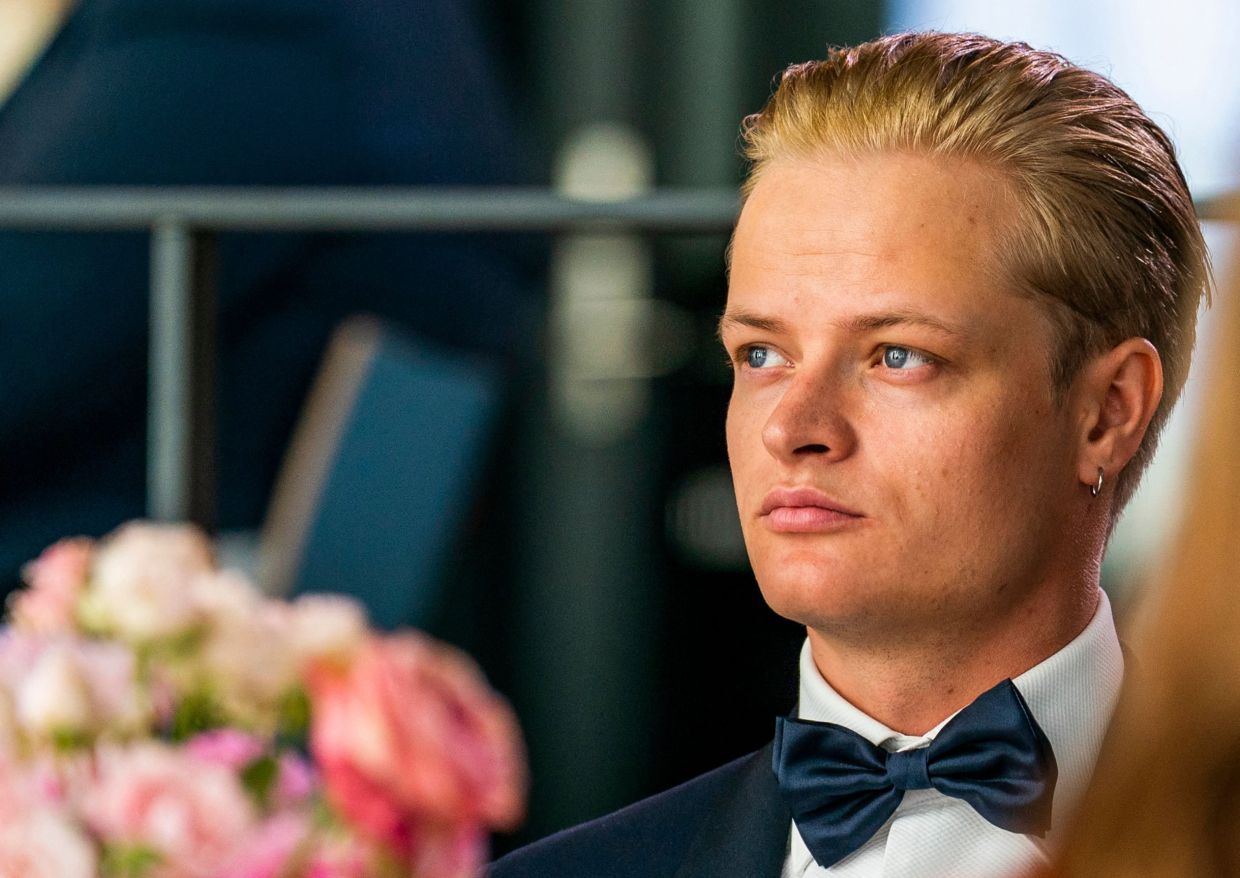
Marius Borg Høiby, the 29-year-old eldest son of Norway's Crown Princess Mette-Marit, received a four-year prison sentence on Monday following his conviction on rape and assault charges. An Oslo District Court found him guilty of two out of four rape allegations and convicted him on additional counts of assault and abuse within intimate relationships, while also ordering him to compensate his victims financially. The sentencing marks the conclusion of a high-profile case that has thrust Norway's royal family into an uncomfortable spotlight and raised questions about privilege, accountability, and the judicial system's treatment of cases involving members of the monarchy.
The charges against Høiby stemmed from alleged sexual assaults against four women between 2018 and 2024, with prosecutors alleging that the victims were asleep or otherwise incapacitated at the time of the incidents. The case encompassed 40 separate criminal charges in total, encompassing not only the rape allegations but also drug-related offences, assault, and breaches of a restraining order. Høiby's legal defence strategy centred on denying the rape allegations while conceding to some of the lesser charges, an approach that ultimately proved only partially effective given the court's verdict.
The gap between prosecution and defence demands revealed sharply differing interpretations of Høiby's culpability. Prosecutors had sought a sentence of seven years and seven months, reflecting their view of the severity of the offences and the pattern of behaviour. In contrast, defence counsel argued for acquittal on the rape charges altogether and urged the court to impose no more than 18 months for the offences Høiby acknowledged committing. The court's middle-ground approach, resulting in a four-year sentence, suggests the judicial panel found substantial evidence of wrongdoing while perhaps showing some consideration for mitigating circumstances or evidentiary complexities.
Høiby was absent from Monday's verdict reading due to unspecified health reasons, instead observing proceedings via video link from detention. This absence sparked minimal legal controversy but underscored the unusual nature of a case involving someone connected to the monarchy. The preceding six-week trial had heard testimony from multiple accusers and examined extensive digital evidence extracted from Høiby's mobile device, including messages, photographs, and video recordings that helped establish the circumstances of the alleged offences.
Although Høiby holds no official royal title and carries no constitutional responsibilities, his position within the royal household gives the case distinctive significance. He is the son born from Crown Princess Mette-Marit's relationship before her marriage to Crown Prince Haakon, the heir to Norway's throne, and spent his formative years in a residence with the future king. This family arrangement, while not extraordinary in modern royal contexts, has created an intricate dynamic where the actions of a private citizen with royal connections have inevitably attracted international media scrutiny and public debate about standards of conduct and consequences.
The timing of the verdict has intensified public interest due to deteriorating health circumstances within the royal family. Crown Princess Mette-Marit, who is managing pulmonary fibrosis and remains on a waiting list for lung transplantation, has become the focus of legal arguments regarding her son's potential early release. Courts ruled consistently that Høiby should remain in custody while awaiting the verdict, rejecting requests for temporary freedom on compassionate grounds. This judicial stance reflected the seriousness with which Norwegian courts have approached bail decisions in the case, notwithstanding the defendant's family circumstances.
The case has unfolded against a backdrop of additional controversies affecting the Norwegian monarchy. Disclosures surrounding Crown Princess Mette-Marit's previous contacts with Jeffrey Epstein, the American financier convicted of sex crimes, have reopened questions about judgment and associations at the highest levels of Scandinavian society. While the crown princess has publicly acknowledged these connections and expressed regret, accepting responsibility for maintaining contact with Epstein despite his criminal history, she faces no formal accusations of illegal activity herself. Nevertheless, the convergence of this revelation with her son's trial has created a challenging period for the institution of monarchy in Norway.
For Malaysian and Southeast Asian observers, the case illustrates how judicial systems in established democracies handle sensitive matters involving royal or prominent families, a contrast worth noting given varying approaches to such cases across the region. The Norwegian courts have proceeded with prosecutions and convictions based on evidence, without apparent deference to royal status, suggesting institutional independence that some democratic systems aspire to but do not always achieve in practice. The case demonstrates that European monarchies, despite their ceremonial roles, operate within legal frameworks that do not exempt family members from criminal prosecution or accountability.
The verdict is not final, as Høiby retains the right to appeal the conviction and sentence to a higher court. This appellate avenue introduces uncertainty regarding the ultimate legal outcome, though the substantial evidence presented during the trial makes overturning the conviction unlikely unless new information emerges or procedural errors are identified. The appeal process may extend the judicial phase of this case considerably, prolonging media attention and public debate in Norway and internationally.
The Høiby case raises broader questions about how modern monarchies balance institutional reputation with judicial integrity and victim protection. Norwegian authorities have demonstrated that formal connections to the royal family do not prevent investigation, prosecution, or conviction, though the case has inevitably generated discussion about whether such high-profile trials receive disproportionate resources and scrutiny compared to similar cases involving ordinary citizens. The intersection of criminal justice, family tragedy, and institutional continuity in this case will likely remain a reference point for discussions about accountability and privilege in Scandinavian society for years to come.