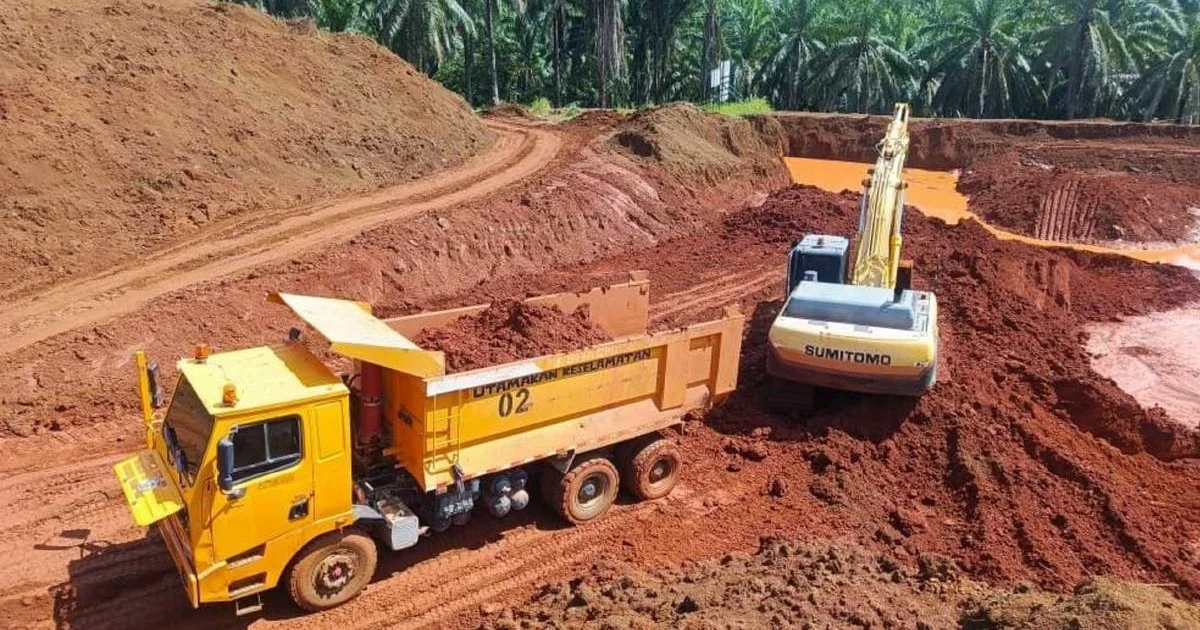
In a significant crackdown on illegal resource extraction in Pahang, law enforcement authorities arrested nine suspects and dismantled what appears to be a substantial unauthorised mining operation during a comprehensive raid conducted at a Felda plantation in the Bukit Goh district of Kuantan. The enforcement action, which resulted in the seizure of approximately 10,000 tonnes of bauxite-bearing soil alongside heavy machinery and transport vehicles, represents a combined asset recovery valued at RM3.75 million—underscoring the scale of illicit mining activities persisting in the region despite existing regulatory frameworks.
The operation unfolded within a Felda plantation, where the suspects had established what investigators believe was a relatively sophisticated extraction and logistics network. The discovery of substantial quantities of bauxite-bearing material indicates the operation had likely been functioning for a period sufficient to accumulate significant stockpiles, suggesting a level of operational continuity that would have required either inadequate monitoring or compromised oversight of the concession area. The involvement of heavy machinery and multiple transport lorries points to an organised venture rather than small-scale opportunistic mining.
Illegal bauxite extraction remains an enduring challenge across Southeast Asia, where the lightweight mineral's high demand for aluminium production creates strong market incentives for smuggling and unauthorised mining. In Malaysia, bauxite mining has faced scrutiny due to environmental concerns and land usage conflicts, particularly in peninsular states where agricultural zones such as Felda plantations are increasingly targeted by unlicensed operators seeking to exploit accessibility and perceived enforcement gaps. The mineral's relative ease of extraction compared to other ores makes it an attractive target for criminal syndicates seeking quick returns.
The seizure of transport lorries as part of the enforcement action suggests authorities disrupted not merely the extraction phase but also the crucial logistics component that would facilitate smuggling across state lines or to processing facilities. This multi-dimensional intervention—targeting equipment, stockpiled material, and transport assets simultaneously—indicates a coordinated intelligence operation likely involving multiple agency cooperation. Such comprehensive disruptions are essential to dismantling organised criminal networks that depend on efficient supply chains to monetise raw materials.
The RM3.75 million asset valuation reflects both the volume of seized material and the replacement cost of confiscated machinery. However, the true economic loss to the smuggling network likely extends beyond these figures, encompassing lost operational capacity and the disruption of downstream processing or export arrangements. For authorities, such seizures serve dual purposes: immediate crime prevention and demonstration of enforcement capability intended to deter similar ventures.
Felda plantation areas represent particularly vulnerable targets for illegal extraction because they occupy extensive land parcels with complex ownership structures and variable security presence. The concentration of such plantations in states like Pahang creates geographic clusters where criminal operators can identify and exploit enforcement blind spots. The choice of this specific Bukit Goh location suggests sophistication in site selection, likely balancing accessibility for machinery against distance from primary settlement concentrations that might generate witnesses or complaints.
The arrest of nine individuals raises questions about operational structure and potential supply chain connections. Such operations typically involve hierarchies encompassing extraction teams, machinery operators, logistics coordinators, and likely financial intermediaries or buyers. The number of arrests suggests investigators may have pursued a horizontally structured network rather than a simple command hierarchy, which could complicate prosecution efforts if coordination occurred through distributed decision-making rather than clear chain-of-command structures.
From a regulatory perspective, this incident highlights persistent challenges facing Malaysia's natural resource management framework. Despite legal prohibitions and licensing requirements for bauxite extraction, the continued discovery of substantial unlicensed operations indicates that deterrence mechanisms—whether through enforcement intensity, penalty severity, or detection probability—remain insufficient to discourage participation. The gap between regulatory intent and operational reality suggests either resource constraints within enforcement agencies or economic incentives for participants that overwhelm perceived legal risks.
The environmental implications of illegal bauxite extraction extend beyond the immediate extraction site. Unregulated mining operations typically bypass restoration requirements, environmental impact assessments, and land rehabilitation protocols mandated for licensed operations. The 10,000 tonnes of bauxite-bearing soil seized in this raid represents material that would have been extracted without environmental safeguards, potentially affecting soil structure, water infiltration, and subsequent agricultural viability of affected plantation areas.
For businesses operating legitimate bauxite mining operations in Malaysia, such enforcement actions create competitive pressures by temporarily reducing total supply and potentially supporting commodity prices. However, persistent illegal operations undermine market legitimacy and create reputational risks for the sector, particularly as environmental consciousness among international buyers increases. The discovery of smuggling operations within Felda concessions may prompt broader reviews of security protocols and monitoring systems across plantation management.
Looking forward, the effectiveness of this intervention will depend on investigative follow-through regarding the downstream recipients of seized material and potential corruption factors that may have enabled the operation's sustainability. Prosecutorial outcomes and penalty determination will signal regulatory seriousness to would-be operators. Additionally, this case may prompt reassessment of surveillance capabilities within agricultural concession areas and coordination mechanisms between Felda management and enforcement agencies responsible for detecting and responding to illegal resource extraction activities.

