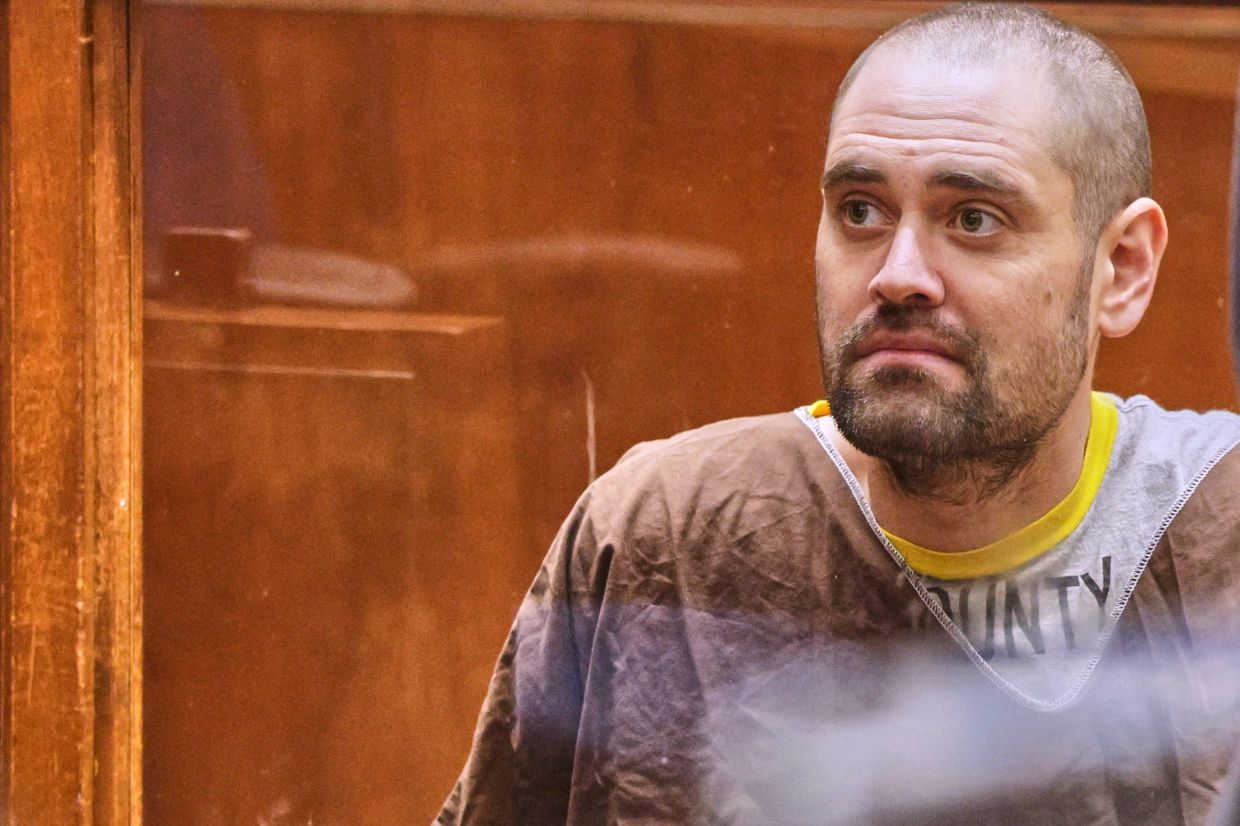
Nick Reiner, the 32-year-old son of acclaimed Hollywood director Rob Reiner, has launched legal action to compel trustees to release funds from a family trust, arguing he needs the money to mount a proper defence against accusations that he killed his parents. The petition, filed this week in Los Angeles County Superior Court, contends that trustees have unlawfully refused to distribute assets that belong to him under the trust's explicit terms, leaving him unable to afford adequate legal representation while incarcerated.
The circumstances surrounding the deaths of Rob Reiner and his wife Michele Singer Reiner have shocked the entertainment industry and captivated public attention. The couple, who lived in the exclusive Brentwood neighbourhood of Los Angeles, were fatally stabbed in their home on December 14. Nick Reiner was arrested hours later and has entered a not guilty plea to two counts of murder. The case carries the possibility of a capital sentence, though prosecutors have not yet indicated whether they will pursue such charges.
The trust dispute reveals the immediate practical consequences of facing serious criminal allegations while dependent on family resources. Nick Reiner initially retained Alan Jackson, a prominent defence lawyer, but Jackson abruptly withdrew from the case less than a month into his engagement. According to the petition, Jackson's departure followed the decision by Nick's siblings, Jake and Romy Reiner, to withdraw their financial commitment to cover his legal fees. In a declaration filed with the court, Jackson stated that his firm remains prepared to resume representation if funding becomes available, underscoring how defence costs have become the binding constraint on Nick Reiner's ability to secure experienced counsel.
The trust in question was established by Rob and Michele Reiner in 1993 specifically for their son Nick. According to the petition, the document contains unambiguous instructions that Nick was entitled to receive half the trust's assets upon reaching age 30, with the remainder becoming available at age 35. Yet the filing claims Nick never received the funds due at 30, and has been unable to access them since. The current trustee, attorney Paul R. Kanin, who assumed control in February, has offered what the petition describes as a succession of shifting justifications for withholding the distribution, including vague assertions about Nick's competence that the legal filing argues have no relevance to a mandatory payout obligation.
The trust reportedly holds at least 1.5 million dollars in assets, though the exact value remains undisclosed by the trustee. Nick Reiner's petition argues he is entitled to access both the funds that should have been paid at age 30 and those due at 35, with the latter also justified by his immediate need for basic necessities while incarcerated. The petition asserts that the trust's language leaves no discretion for the trustee to delay payment on the grounds cited, and that Nick's presumption of innocence entitles him to the resources necessary to conduct his own defence.
For Malaysian readers following this case, the situation illustrates complexities that arise when criminal accusations intersect with family financial arrangements. Estate and trust law in Malaysia shares common law foundations with California law, yet the approach to balancing a defendant's rights with trustee discretion varies significantly across jurisdictions. The case raises fundamental questions about whether family members facing criminal charges should be able to access their own assets for legal representation, or whether trustees can restrict such access based on their concerns about the defendant's circumstances.
The criminal proceedings themselves remain in their early stages. Nick Reiner is scheduled to appear in court for a pretrial hearing in September, with most details of the investigation and autopsy findings sealed by court order. Authorities have remained silent on potential motives, and information leaks have been virtually nonexistent from either law enforcement or the defence. This unusual silence contrasts with many high-profile cases and suggests efforts to preserve the integrity of the investigation and potential prosecution. District Attorney Nathan Hochman has indicated that a decision on whether to seek the death penalty has not yet been made.
The family's internal fractures have become increasingly visible as the case unfolds. In April, Jake Reiner, Nick's brother, publicly described the experience of losing both parents while his sibling stands at the centre of a murder investigation as a "living nightmare" too devastating to comprehend. His decision to speak publicly, combined with the withdrawal of financial support for Nick's defence, suggests deep divisions within the Reiner family over how to respond to the tragedy and the accusations.
The broader implications of this trust dispute extend beyond the immediate question of funding. If the court rules in Nick Reiner's favour, it could establish precedent that defendants have enforceable rights to access their own trust assets regardless of trustee concerns about their circumstances or the nature of charges they face. Conversely, if the court upholds the trustee's authority to withhold funds, it could limit the ability of wealthy defendants to access inherited resources while facing serious accusations. For legal observers in Southeast Asia, where family trusts and wealth preservation through generations remain increasingly common among successful business and professional families, such rulings offer instructive lessons about the interaction between private trusts and criminal justice systems.