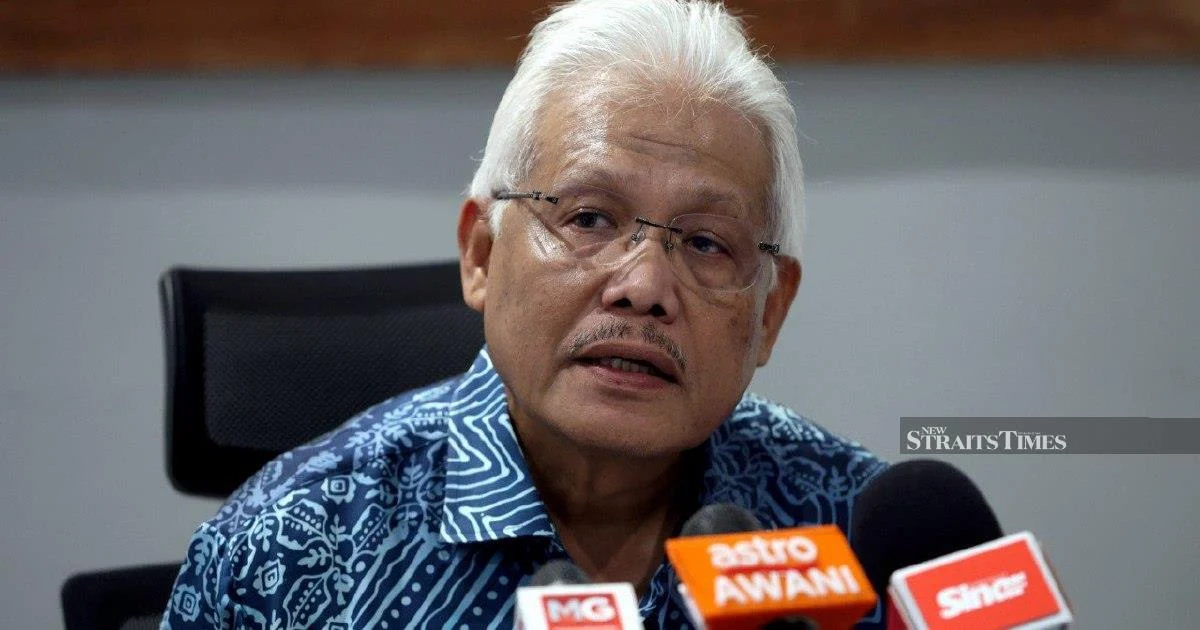
Parti Wawasan Negara, the recently rebranded version of Parti Cinta Malaysia, is actively positioning itself as a potential bridge between PAS and UMNO, two of Malaysia's most influential Malay-Muslim political forces. The party's leadership, spearheaded by Hamzah Zainudin, believes that fostering unity among these major players could consolidate Malay political strength and prevent the kind of fragmentation that historically weakens coalition prospects.
The rebrand from Parti Cinta Malaysia to Parti Wawasan Negara reflects a strategic repositioning aimed at broadening appeal and signalling a national perspective rather than a narrowly defined constituency base. This nomenclatural shift carries symbolic weight in Malaysian politics, where party names often telegraph ideological positioning and intended constituencies. The new identity appears designed to project inclusivity while maintaining the party's core focus on Malay-Muslim interests.
The concept of bridging factions within the larger Malay-Muslim political ecosystem is neither novel nor straightforward. For decades, Malaysian politics has witnessed periodic tensions between PAS, which draws significant support from rural religious constituencies and governs several states, and UMNO, which has historically anchored federal governance through its dominance within the Barisan Nasional coalition. These tensions occasionally escalate into competitive positioning that fragments the broader voting bloc and creates opportunities for opposition parties to gain electoral ground.
Hamzah Zainudin's initiative reflects awareness of these structural vulnerabilities. By positioning Parti Wawasan Negara as a neutral convener rather than a competitor to either establishment, the party hopes to leverage mediating influence disproportionate to its current parliamentary presence. This strategic positioning has precedent in Malaysian coalition politics, where smaller parties with credible bridging roles have occasionally secured outsized influence over larger players.
The emphasis on preventing divisions that harm ordinary Malaysians speaks to a broader anxiety within the Malay-Muslim political sphere. When major players concentrate energy on internal rivalries, policy priorities affecting everyday lives—economic management, healthcare delivery, education, social welfare—often suffer from reduced political oxygen. Voters across the spectrum have expressed frustration with leadership perceived as prioritising factional positioning over substantive governance.
Such mediating efforts, however, face formidable headwinds. PAS and UMNO operate from different ideological foundations and mobilise distinct voter coalitions. PAS emphasises Islamic governance frameworks and appeals strongly to rural and conservative constituencies, while UMNO's strength lies in broader Malay entrepreneurial classes and urban centres. These differences are not merely matters of rhetoric but reflect genuine programmatic divergences and competing visions for Malaysia's future direction.
For Malaysian voters and observers in the broader Southeast Asian region, the significance of Parti Wawasan Negara's ambitions extends beyond domestic coalition dynamics. Malaysia's political stability influences regional confidence, investment patterns, and diplomatic positioning. Prolonged internal divisions or coalition instability can distract federal policymakers from regional commitments and create policy uncertainty that reverberates across ASEAN economies integrated through supply chains and trade arrangements.
The timing of this initiative merits attention. Malaysia's political landscape has grown increasingly fragmented following the 2022 general election, which produced a hung parliament and necessitated novel coalition arrangements. This fragmentation, while creating space for smaller parties to exert leveraging power, has also generated widespread voter fatigue with coalition politics perceived as overly transactional and disconnected from substantive policy concerns. Parti Wawasan Negara's mediation proposal implicitly acknowledges this fatigue while positioning the party as offering stability through facilitated consensus.
Successfully executing such a mediating role requires several enabling conditions. First, the party must maintain credible independence from both larger players while demonstrating genuine commitment to each side's core concerns. Second, it must develop policy positions that appear principled rather than opportunistic, addressing voter concerns about coalition politics becoming purely about seat distribution and ministerial appointments. Third, it requires buy-in from PAS and UMNO leadership, who may view independent mediators as threatening their influence rather than enhancing it.
Historically, bridge-building initiatives in Malaysian Malay-Muslim politics have produced mixed results. Some have facilitated temporary truces enabling coalition stability; others have foundered when mediators were perceived as favouring one side or when underlying divisions proved too entrenched for consensual solutions. The success of Parti Wawasan Negara's efforts will largely depend on whether PAS and UMNO leaders genuinely perceive shared interests in reduced fragmentation, or whether competitive pressures override collaborative impulses.
For Malaysian voters, the emergence of such mediating parties offers both promise and caution. The promise lies in possibilities for more consensus-oriented politics that transcends zero-sum factional competition. The caution involves recognising that mediating roles, however well-intentioned, cannot substitute for voters' direct accountability demands and substantive performance expectations. Ultimately, Parti Wawasan Negara's impact will be measured not by bridging capacity alone but by whether it contributes to governance outcomes that demonstrably improve Malaysians' material conditions and trust in democratic institutions.

