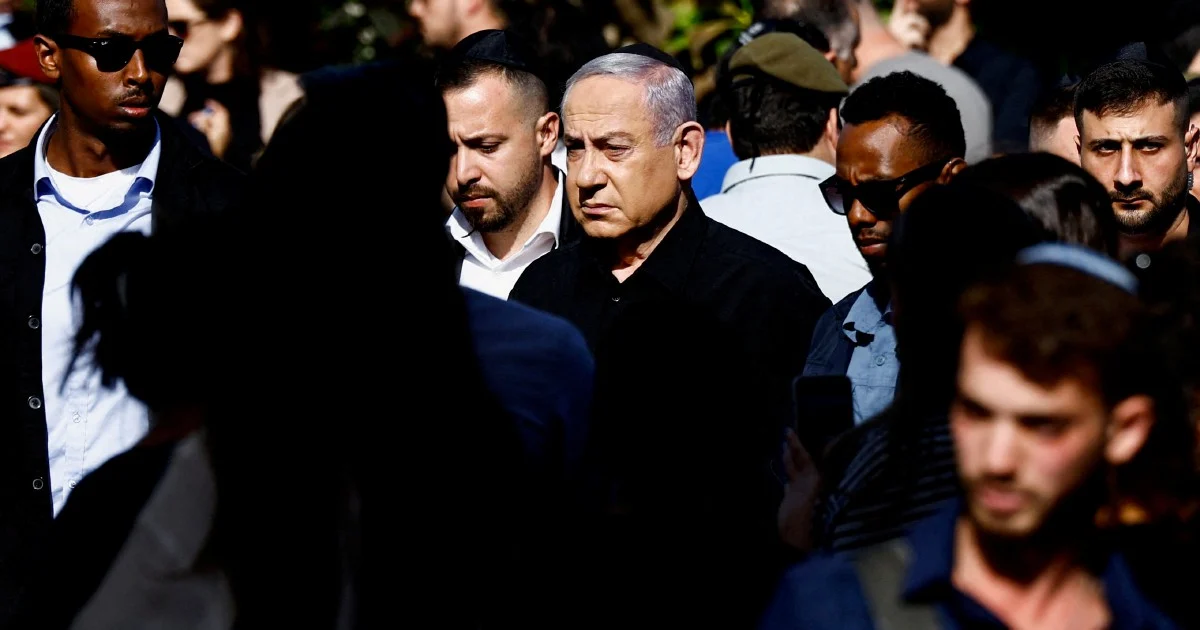
Israeli Prime Minister Benjamin Netanyahu has concluded his testimony in his corruption trials, Israel's justice ministry confirmed on Wednesday, signalling a turning point in legal proceedings that have shadowed his tenure as the country's most powerful political figure. The completion of his courtroom appearances comes at a particularly fraught moment for Netanyahu's administration, which simultaneously contends with international diplomacy that many Israeli officials view as threatening to national security interests.
Netanyahu has faced multiple corruption indictments spanning allegations of bribery, fraud, and breach of trust across several distinct cases. The testimony phase represented an extraordinary development in Israeli politics—a sitting prime minister subjected to intensive cross-examination in court proceedings while continuing to lead the government. The process has been gruelling and unprecedented in Israeli democratic history, forcing Netanyahu to balance courtroom appearances with his regular duties overseeing foreign policy and military operations.
The timing of this conclusion is particularly significant given the broader strategic environment confronting Israel. The United States has been engaged in negotiations aimed at reviving elements of the Joint Comprehensive Plan of Action, commonly known as the Iran nuclear deal, which the Trump administration withdrew from in 2018. Netanyahu's government has been a vocal opponent of any arrangement that would ease sanctions on Iran or permit expanded nuclear development, viewing such agreements as fundamentally incompatible with Israeli regional security.
For Malaysian and Southeast Asian observers, the intersection of Netanyahu's legal battles and his foreign policy posturing illustrates how domestic political crises can shape international relations. When leaders face serious criminal allegations, their incentives regarding military action and diplomatic positioning can shift unpredictably. The Middle East remains a crucial concern for regional stability and global commerce, particularly given the importance of maritime shipping routes through the region to Southeast Asian trade.
The corruption trials themselves have centred on Netanyahu's alleged receipt of gifts from wealthy businessmen, including cigars and champagne, and accusations that he provided improper favours to media tycoon Arnon Mozes in exchange for favourable coverage. These cases represent the most serious legal jeopardy faced by any sitting Israeli prime minister, and their outcome will likely reshape Israeli politics regardless of verdict. The trials have consumed significant media attention and political energy for multiple years.
Netanyahu's political allies have characterised the prosecutions as politically motivated persecution, arguing that legal authorities have selectively targeted him because of his right-wing policies. Critics counter that no leader should be exempt from accountability regardless of political affiliation, and that Netanyahu's legal exposure stems from documented actions rather than political bias. The Israeli public remains deeply divided on the legitimacy and implications of the trials.
The conclusion of his testimony does not mean the end of legal proceedings. The prosecution and defence will continue presenting evidence, examining witnesses, and submitting arguments. Verdicts remain months or potentially years away, depending on court schedules and appellate processes. Netanyahu could theoretically continue serving as prime minister throughout these proceedings and even after conviction, though Israeli law does contain provisions regarding criminal liability and fitness for office.
Regionally, Netanyahu's legal troubles have coincided with complex challenges regarding Palestinian governance, Israeli settlement expansion, and security coordination with Arab neighbours. Some analysts suggest that the domestic legal distractions have reduced Israeli government capacity to manage complex diplomatic initiatives, while others argue that Netanyahu has deliberately weaponised his legal defence to consolidate political support among his coalition partners.
For investors and businesses tracking Middle Eastern stability, Netanyahu's trials represent an additional layer of uncertainty. Leadership transitions—whether through electoral defeat, legal disqualification, or voluntary resignation—would reshape Israeli policy priorities and regional relationships. The correlation between domestic legal vulnerability and international adventurism has been documented across multiple democracies and authoritarian states alike.
The prospect of an Israeli government led by different actors could substantially modify approaches to the Iranian nuclear question, Palestinian issues, and security arrangements with regional partners. Malaysia and other Southeast Asian nations maintain varied diplomatic relationships with Israel, and shifts in Israeli leadership philosophy would inevitably echo across international forums and bilateral negotiations.
As the legal process continues without Netanyahu's testimony obligations, he can devote greater attention to his governing responsibilities and political survival strategy. However, the shadow of potential conviction will continue to influence his decision-making calculus. Whether Netanyahu seeks to vindicate himself through electoral victory, diplomatic achievement, or legal acquittal remains a defining question for Israeli politics in the coming period. His testimony's conclusion marks not an ending but rather a transition into the next phase of both his legal accountability and political struggle.

