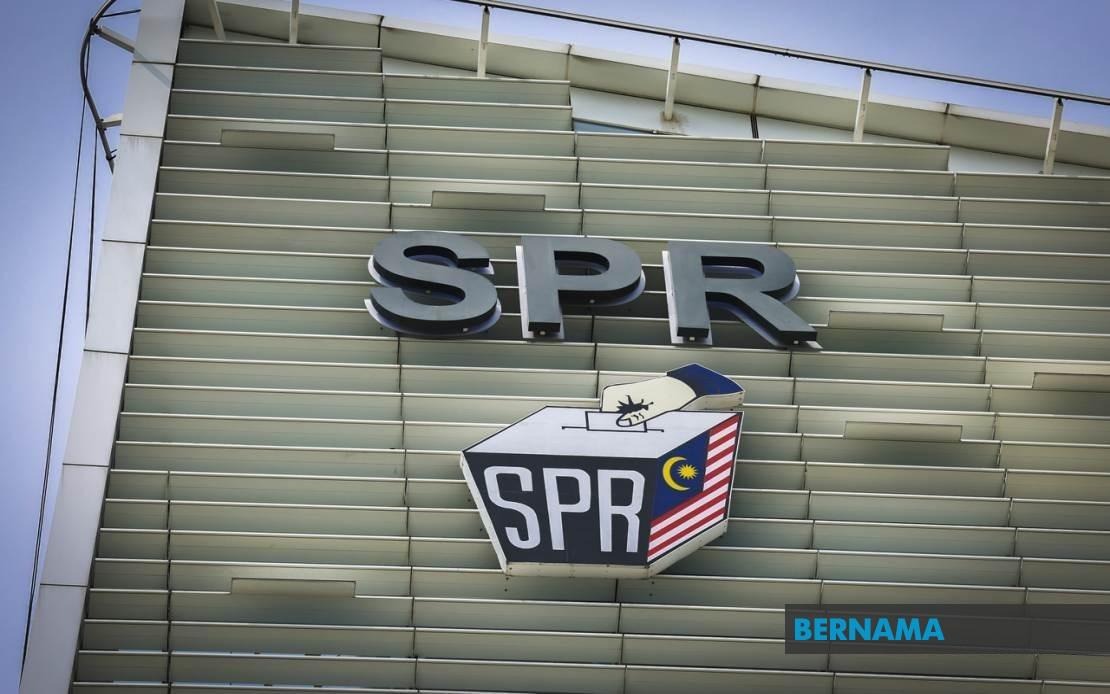
The race for control of the Negeri Sembilan State Legislative Assembly enters its decisive phase tomorrow when eight nomination centres across the state open their doors to receive candidate filings. This marks the formal commencement of a fortnight-long campaign preceding the August 1 polling day, a compressed yet crucial window for parties to mobilise support across all 36 constituencies. The nomination process, running from 9 am to 10 am, represents a critical juncture where prospective candidates must submit their papers to returning officers, with the final eligible candidate list to be announced immediately thereafter.
The Election Commission has confirmed that 889,490 voters are registered to participate in this state election, a substantial electorate reflecting Negeri Sembilan's growing population and political engagement. This figure encompasses 867,151 ordinary voters, alongside 16,884 military personnel and their spouses, and 5,455 police personnel and their spouses. The early voting mechanism, scheduled for July 28, provides flexibility for uniformed personnel and those unable to vote on polling day. These figures underscore the scale of the exercise facing the state and offer insight into potential voter distribution patterns across urban and rural areas.
Pakatan Harapan enters the contest with comprehensive coverage, fielding candidates in all 36 seats through its three component parties: PKR with 16 nominees, DAP fielding 11, and Amanah contributing nine candidates. This unified approach signals confidence in the coalition's electoral prospects following its 2023 performance, when it secured 17 of 36 seats to emerge as the largest single grouping. The distribution of seats among coalition members reflects negotiated power-sharing arrangements and reflects each party's electoral strength in different areas of the state.
Barisan Nasional has adopted a more selective strategy, contesting 25 seats with 16 UMNO candidates, seven from MCA, and two from MIC. This approach suggests a calculated recognition of competitive realities, potentially concentrating resources in winnable constituencies rather than spreading efforts thinly across all available seats. The coalition finished second in 2023 with 14 seats, and its revised candidate deployment may reflect strategic recalibration based on ground assessments and demographic shifts within constituencies.
Perikatan Nasional presents a fractured image, with its constituent parties pursuing divergent strategies that complicate unified messaging. PAS is fielding five candidates under the PN banner, whilst Gerakan and the Malaysian Indian People's Party each contribute one nominee. Notably, Wawasan—PN's newly incorporated component party—is making its inaugural electoral appearance with four candidates, potentially attracting voters seeking fresh political options. PN's total of 11 candidates represents significant retrenchment compared to its earlier ambitions, having won five seats in the previous election.
The unexpected move by Bersatu to contest independently using its own party logo introduces unpredictability into the race dynamics. This departure from PN's united front strategy, though not formally announced when the article was filed, signals internal coalition tensions and suggests calculation that solo candidacy may yield better electoral prospects than joint PN positioning. Such fragmentation among Malay-Muslim oriented parties could significantly affect vote distribution and potentially reshape the state political landscape.
Smaller parties are also entering the fray, with Parti Orang Asli Malaysia and Parti Sosialis Malaysia each fielding single candidates, whilst Berjasa is expected to contest seven seats. Meanwhile, MUDA, Pejuang, and Bersama have collectively decided to sit out this election, indicating either strategic focus on other political battlegrounds or assessment that state-level contest offers limited returns. The participation of indigenous-focused and socialist parties adds ideological diversity to what might otherwise be dominated by centrist and conservative choices.
The election framework itself reflects institutional preparations by the Election Commission to ensure procedural integrity. The 14-day campaign period provides adequate time for parties to reach voters, though the condensed timeline compared to federal elections intensifies competitive pressures and resource deployment requirements. The EC's advance reminder for candidates to verify nomination papers at returning officers' offices and election deposit payments demonstrates administrative rigour designed to prevent last-minute disqualifications or procedural irregularities that could undermine election credibility.
Weather considerations, whilst seemingly mundane, carry practical significance for campaign activities. The Malaysian Meteorological Department's forecast of fair conditions across most areas on Saturday morning, with the exception of Port Dickson and Seremban where rainfall is anticipated, suggests that nomination day proceedings should proceed largely without disruption. However, the predicted afternoon thunderstorms across the state may constrain campaign activities in the coming days, potentially affecting candidate launches and grassroots mobilisation efforts that typically follow nomination day.
The dissolution of the state assembly on June 5 with the Yang Dipertuan Besar's consent completed the constitutional formalities necessary for this election. The two-month interval between assembly dissolution and polling day reflects electoral timelines designed to balance campaign fairness with administrative feasibility. The previous election results, where PH won 17 seats, BN captured 14, and PN secured five, established baseline expectations for this contest and revealed shifting electoral preferences among Negeri Sembilan's diverse population.
For Malaysian observers and regional analysts, this state election offers a significant barometer of political sentiment in a state that has historically reflected broader national trends. The contest's outcome will influence calculations regarding the sustainability of the current federal coalition arrangements and may signal voter appetite for political realignment or continuity. The fragmentation visible in opposition ranks, particularly the PN's internal divisions, could work to PH's advantage if cohesion translates into superior ground organisation and unified messaging during the campaign fortnight ahead.

