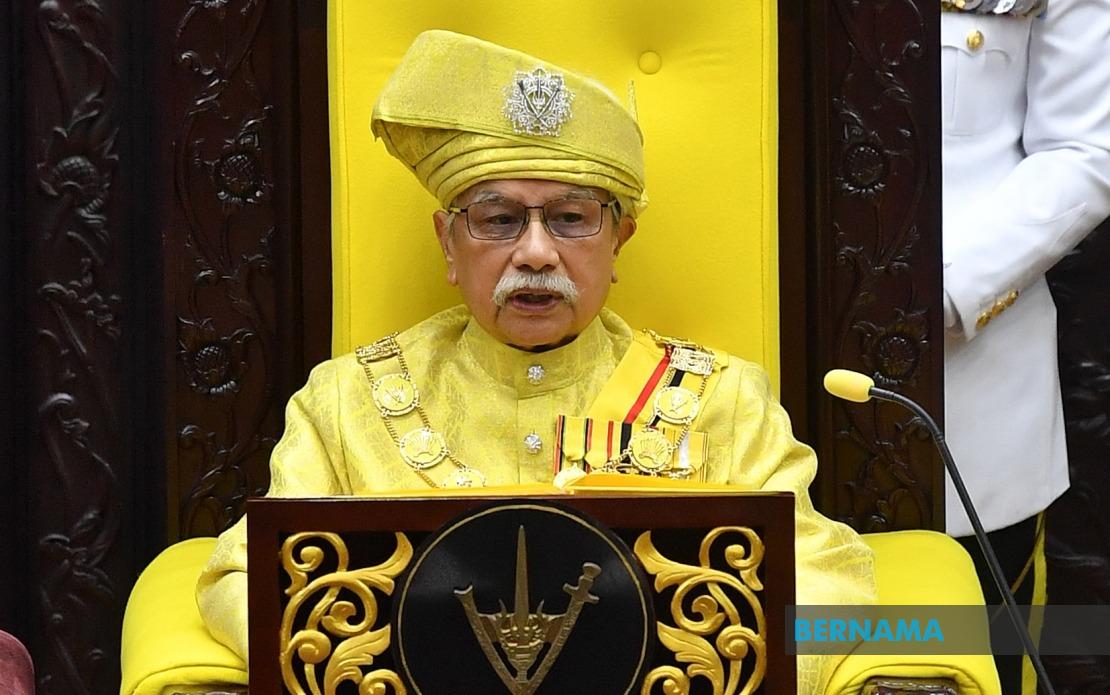
The Yang Dipertuan Besar of Negeri Sembilan, Tuanku Muhriz Tuanku Munawir, has endorsed a formal royal audience this Saturday to recognise the installation of Hassan Ab Hamid as the 22nd Undang of Rembau, the traditional leader of Luak Rembau. The ceremony will take place at Istana Besar Seri Menanti in Kuala Pilah, cementing a succession process rooted in the distinctive customary practices that have shaped Negeri Sembilan's governance structure for centuries.
Tunku Besar Seri Menanti, Tunku Ali Redhauddin Tuanku Muhriz, delivered the ruler's formal consent during a meeting with the Datuk-Datuk Adat of Rembau at the istana. In his statement, Tunku Ali Redhauddin emphasised that the selection of the 22nd Undang had proceeded in full accordance with established adat customs and traditions specific to the Rembau luak, or traditional district. He conveyed his father's blessing for the Istiadat Menghadap Menjunjung Duli ceremony, which literally translates to the formal audience to present before His Majesty, marking the completion of the Undang's appointment process.
The transition follows the death of Datuk Lela Maharaja Datuk Muhamad Sharip Othman, who served as Undang of Rembau for many years until his passing on May 15, 2024, at age 83. His departure created a vacancy that necessitated the customary selection procedures unique to Negeri Sembilan's political and social hierarchy. The selection of Hassan Ab Hamid, a 67-year-old candidate, represents continuity in the leadership of one of the state's traditional luaks.
Negeri Sembilan stands apart from other Malaysian states through its adherence to the Adat Perpatih system, a matrilineal customary framework that governs succession, property ownership, and community decision-making. This system fundamentally differs from other Malaysian states' administrative models, making the state's traditional governance structures a subject of scholarly and practical interest. The Adat Perpatih has survived colonial periods and modern nation-building, preserving indigenous institutional practices that predate contemporary Malaysia.
Datuk Juan Datuk Zulkipli Shamsudin, chairman of the Kerapatan Buapak Delapan ceremony for the Biduanda Nan Dua Carak customary clan, provided crucial clarification regarding the nature of the Undang's appointment. He stressed that under the Adat Perpatih framework, an Undang is fundamentally not appointed unilaterally by the Yang Dipertuan Besar. Instead, the position emerges through grassroots customary processes originating within the luak community itself, reflecting democratic principles embedded in traditional institutions.
The ruler's ceremonial role, as Zulkipli explained, operates within carefully defined boundaries established by centuries of adat practice. When the luak's representatives approach the Yang Dipertuan Besar seeking audience, the ruler may grant consent and formal recognition to decisions already reached through community deliberation. This distinction represents a nuanced understanding of sovereignty and legitimacy in Negeri Sembilan's constitutional framework, where traditional authority flows from community processes rather than purely from royal discretion.
Zulkipli's statement also addressed broader misunderstandings about how Negeri Sembilan's adat system functions. He emphasised that the ruler does not summon, select, or appoint individuals according to personal preference or arbitrary decision-making. Rather, the Yang Dipertuan Besar's involvement represents an acknowledgment and ceremonial validation of organic community choices. Any interpretation suggesting otherwise, he cautioned, fundamentally misrepresents the customary governance principles that have regulated Negeri Sembilan for generations.
The forthcoming ceremony carries significance beyond Rembau itself, as it demonstrates the ongoing vitality of traditional governance structures within modern Malaysia. Even as the nation operates under a federal constitutional framework, Negeri Sembilan's states government and customary institutions maintain operational autonomy in matters concerning adat and traditional leadership. This dual system—combining modern administrative structures with preserved customary institutions—offers insights into how post-colonial nations negotiate between inherited traditional systems and contemporary governance demands.
For Malaysians unfamiliar with Negeri Sembilan's unique constitutional position, understanding the Adat Perpatih system provides context for how the state navigates identity and governance differently from its peers. The involvement of multiple stakeholders—the Orang Empat Istana (the istana's administrative council), adat leaders, customary clan representatives, and ultimately the ruler—reflects distributed decision-making authority that diverges from purely hierarchical models. This Saturday's ceremony will publicly reaffirm these institutional relationships and procedural values.
The formal recognition of Hassan Ab Hamid also represents a generational transition within Rembau's customary leadership. At 67, he assumes responsibility for maintaining cultural continuity and representing his luak's interests within broader Negeri Sembilan governance structures. His appointment follows procedures that involved extensive consultation among adat custodians and community representatives, suggesting that the selection process enjoyed broad consensus before reaching the stage of royal acknowledgment.
Looking ahead, the ceremony exemplifies how traditional institutions remain embedded within Malaysia's constitutional fabric, particularly in states with distinctive customary systems. While federal structures dominate national governance, spaces persist where communities exercise meaningful control over leadership selection through time-honoured processes. The Istana Besar Seri Menanti gathering will showcase this layering of authority, with the Yang Dipertuan Besar's formal acknowledgment serving as the ceremonial apex of a selection process initiated and conducted within community structures.
For observers of Malaysian governance, particularly those studying federalism and cultural pluralism, Negeri Sembilan's handling of such successions demonstrates institutional resilience. The state manages to honour both constitutional monarchy principles and customary community autonomy, allowing citizens to participate in leadership selection through traditional mechanisms while maintaining formal recognition through conventional channels. This Saturday's audience represents one moment in that ongoing negotiation between tradition and modernity that characterises contemporary Negeri Sembilan.

