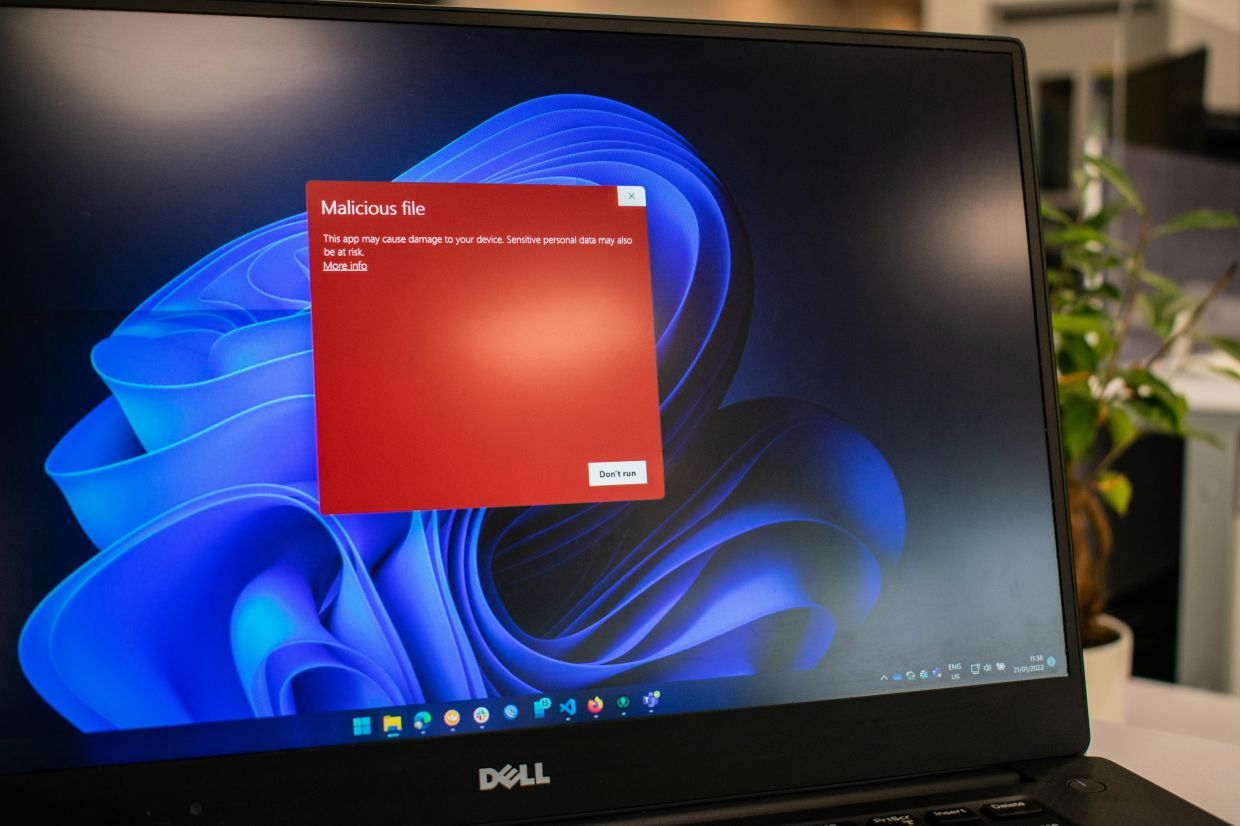
Malaysia's cyber security authority MyCert has sounded an alarm over a widespread malware distribution campaign leveraging WhatsApp Web and Desktop platforms to compromise Windows-based systems. The threat represents a growing concern for both individual users and organisations across Southeast Asia, as attackers employ increasingly sophisticated social engineering methods to trick recipients into executing malicious code.
The campaign relies on a deceptively simple but highly effective approach: cybercriminals send messages containing files that appear to be legitimate business documents—invoices, debt acknowledgements, bank statements, and account reconciliations. File names are carefully crafted to masquerade as PDF documents, using titles such as "Acknowledgment of Debt.vbs", "Sila semak bil anda.vbs", "December statement of account.vbs", and "Reconciliation.vbs". This naming strategy exploits the tendency of users to recognise and trust official-looking correspondence, particularly documents related to financial or legal matters that typically demand immediate attention.
The critical deception lies in the file format itself. What appears to be a harmless document is actually a Visual Basic Script file with a .vbs extension. When an unsuspecting user opens the attachment, the script executes automatically, triggering a chain of malicious operations that unfolds without user awareness. This execution method is particularly dangerous because many users remain unfamiliar with the distinction between document formats and executable scripts, making them vulnerable to this attack vector.
Once activated, the malware deploys a Remote Access Trojan (RAT) onto the infected system, granting attackers comprehensive remote control capabilities. This tool allows perpetrators to observe and manipulate the compromised device as if they were physically present at the keyboard. Critically, the RAT establishes persistence mechanisms that maintain attacker access even after the computer restarts, ensuring long-term exploitation opportunities. This persistence feature makes the threat particularly insidious for victims who may believe their security problem has been resolved after a simple restart.
The trojan's functionality extends beyond basic system control. It systematically disables security notifications and antivirus alerts, effectively silencing the user's digital watchdog. Operating in this stealth mode, the malware captures sensitive information entered or displayed on the screen—usernames, passwords, banking credentials, personal identification numbers, and one-time passwords used for two-factor authentication. This intelligence collection capability transforms the compromised device into a gateway for identity theft, financial fraud, and account takeover attacks.
For Malaysian organisations and individuals, the implications are particularly serious given the high reliance on digital banking and online commerce. A compromised system can serve as a launching point for lateral attacks on corporate networks, unauthorized fund transfers, and theft of commercially sensitive information. The targeting of Windows PCs—the dominant operating system in Malaysian business environments—amplifies the potential impact across enterprises and small businesses alike.
MyCert's guidance emphasizes prevention as the most effective defence strategy. Users should exercise extreme caution when receiving unexpected file attachments via WhatsApp or any messaging platform, particularly documents claiming to require urgent review or action. Replying to suspicious messages should be avoided entirely, as this confirms to attackers that the phone number is active and monitored, potentially marking the account for further targeting. Instead, users should immediately report such messages directly through WhatsApp's built-in reporting function and lodge formal complaints with MyCert via the Cyber999 email address ([email protected]), including screenshots, timestamps, and sender information.
For those who have already opened or executed suspicious files, MyCert recommends treating the device as entirely compromised. The immediate priority is to disconnect the infected computer from internet access, severing the attacker's remote command channel. This step is crucial before taking any other remedial action. Corporate users must simultaneously notify their organization's IT security team, as compromised employee devices pose significant risks to entire network infrastructure and confidential business data.
Restoring security to an infected system requires comprehensive password management using a completely separate, uncompromised device. Every password, PIN, security question answer, and other credentials previously entered on the infected computer should be considered exposed and changed immediately. This includes not only financial account credentials but also email passwords, social media accounts, and any other systems accessed from the compromised machine. The scope of password changes often surprises users, but the threat landscape demands this thorough approach.
Professional malware removal becomes essential once infection is confirmed. Standard antivirus scans frequently fail to detect or eliminate RATs like those deployed in this campaign, as these tools employ sophisticated evasion techniques specifically designed to circumvent conventional security software. Engaging certified cybersecurity professionals or reputable malware removal services ensures thorough system cleaning and verification of successful eradication. Attempting amateur removal often proves counterproductive, potentially driving the malware deeper into system processes or leaving remnants that re-establish attacker access later.
Beyond individual protective measures, this campaign underscores the importance of cybersecurity awareness training for Malaysian workforces. Many employees remain unaware of social engineering tactics and the dangers posed by file extensions beyond common document formats. Educational initiatives—whether through enterprise training programs, government awareness campaigns, or community outreach—can significantly reduce infection rates by building recognition of suspicious patterns and encouraging verification behaviours before opening attachments.
The WhatsApp malware campaign also highlights the evolving threat landscape in Southeast Asia, where messaging platforms have become primary infection vectors. As legitimate communication tools remain ubiquitous across personal and professional spheres, attackers exploit the trust users place in these platforms. Organisations and individuals must balance convenient digital communication with appropriate security vigilance, developing habits that neither paralyze productivity nor leave systems unnecessarily exposed.

