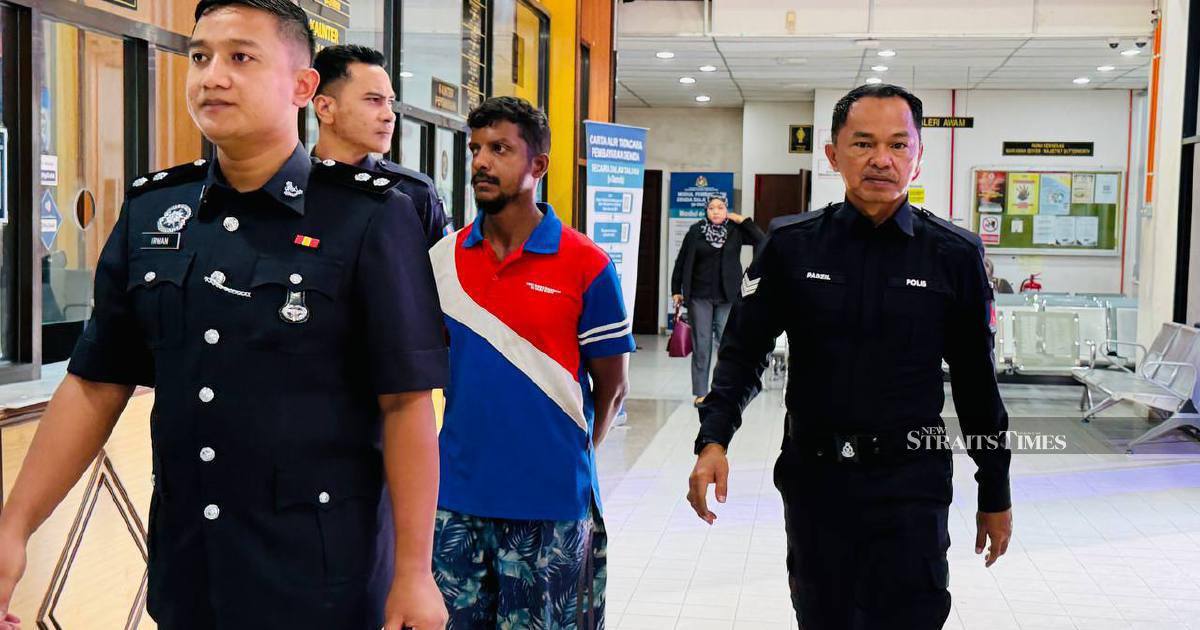
A Myanmar national made his first court appearance in Butterworth on charges of causing grievous hurt to a fellow countryman, following an incident last week. The accused faced formal charges in the Sessions Court, marking the beginning of what could become a protracted legal process in Malaysia's criminal justice system.
The remand decision, which denied bail to the accused pending the verification of identification documents, reflects judicial caution when dealing with foreign nationals lacking proper documentation. In Malaysia, immigration status and identity verification are routinely factored into bail considerations, particularly when the accused is a non-citizen. The absence of verified identity papers can trigger automatic remand orders, as courts seek assurance that defendants will appear for subsequent hearings and will not flee the jurisdiction.
Cases involving Myanmar nationals in Malaysia have become increasingly common in recent years, reflecting significant migration flows from Myanmar to Malaysian states, particularly in Penang, Selangor, and Johor. These communities often face language barriers, limited access to legal counsel, and unfamiliarity with the Malaysian criminal justice system, which can complicate their defence and court proceedings. The reliance on identity document verification in this case underscores the administrative hurdles that foreign nationals frequently encounter within Malaysian courts.
The charge of causing grievous hurt represents a serious criminal matter under the Penal Code, distinct from simple or hurt charges. Grievous hurt typically involves injuries that result in permanent disfigurement, loss of bodily function, or significant medical intervention. Such charges can carry substantial penalties upon conviction, including imprisonment and fines, making the remand decision particularly significant for the accused's immediate circumstances.
Bailability and remand determinations in Malaysia hinge on several factors, including the seriousness of the offence, the accused's criminal history, ties to the local community, and perceived flight risk. For foreign workers without established family networks or employment stability in Malaysia, courts often take a more cautious approach to bail, viewing them as higher flight risks than Malaysian citizens or permanent residents with demonstrable local roots.
The Myanmar migrant population in Malaysia exists in a precarious legal position. While many arrive through legitimate channels initially, some eventually find themselves in irregular status, making them vulnerable to exploitation and, conversely, more likely to be remanded in custody when charged with offences. Documentation issues can extend proceedings significantly, as courts may await verification from Myanmar's diplomatic mission in Malaysia or coordination with Myanmar government authorities regarding the accused's background and criminal history.
Bilateral cooperation between Malaysia and Myanmar on criminal matters and identity verification has historically been inconsistent, sometimes resulting in extended remand periods while documentation processes unfold. These delays can affect the accused's ability to secure proper legal representation and can strain courtroom resources as cases become prolonged through no fault of the defence or prosecution.
The assault incident involving Myanmar nationals reflects broader patterns of internal community disputes that occasionally escalate into violence. In some cases, these incidents stem from workplace disagreements, accommodation disputes, or interpersonal conflicts within migrant communities. The fact that the alleged victim and perpetrator share the same nationality does not necessarily simplify the legal process, as cross-cultural misunderstandings and language barriers can complicate witness statements and evidence gathering.
Penang has emerged as a significant hub for Myanmar migrants, with established communities particularly in Butterworth and Georgetown. The presence of regional courts handling cases involving this population has necessitated greater judicial familiarity with the immigration and documentation challenges these communities face. Court officials in Penang are increasingly experienced in processing cases where identification verification becomes a necessary preliminary step before bail determination.
The defence strategy moving forward will likely focus on expediting the identification verification process, securing bail once documentation is confirmed, and building a substantive challenge to the grievous hurt charge itself. For the accused, the immediate priority remains clearing the administrative hurdle of identity confirmation, which paradoxically may be more challenging than contesting the underlying criminal allegations.
This case also reflects the broader challenge Malaysia faces in managing transnational crime and disputes within migrant communities. As Myanmar migration continues alongside regional instability in Myanmar, Malaysian courts will likely encounter increasing numbers of similar cases. Establishing clearer protocols for rapid identity verification and streamlined bail procedures for foreign nationals could improve case efficiency while maintaining judicial safeguards.
The accused's remand pending documentation review will continue until either the identification is verified or a subsequent bail hearing is held. During this period, he remains in custody at a detention facility pending trial.

