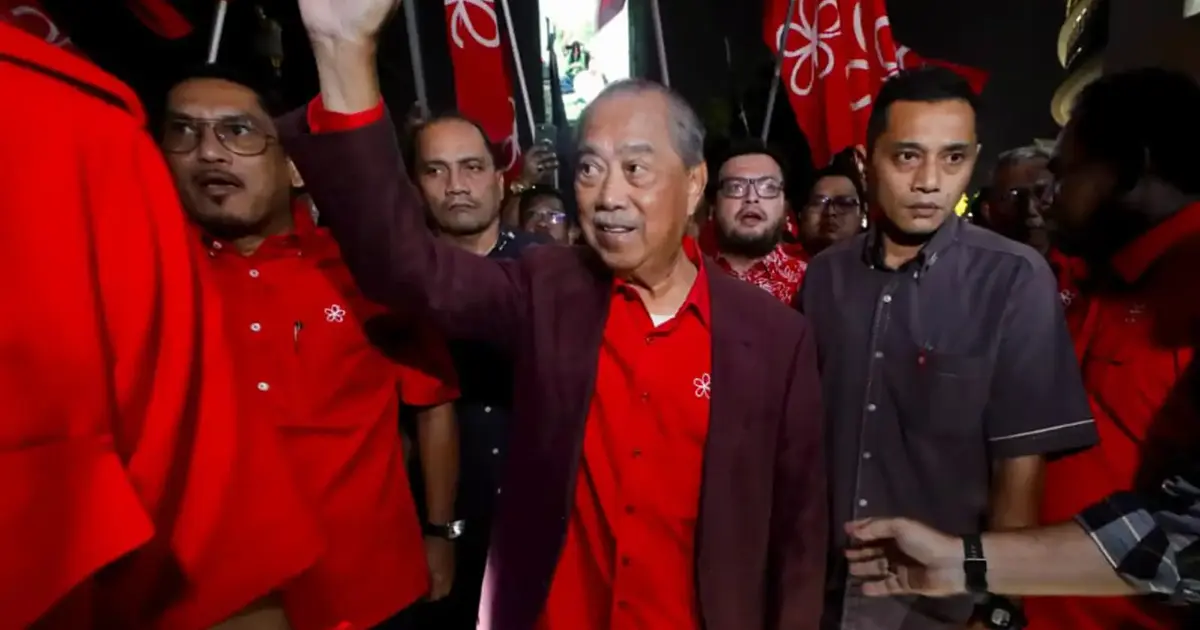
Momentum is building within Bersatu as party president Muhyiddin Yassin drew backing from over 200 supporters ahead of a major gathering set to grapple with the party's political future and alliance dynamics. The show of strength comes at a pivotal moment for the party, which faces mounting pressure to deliver electoral gains while managing increasingly complex relationships within its coalition framework.
The gathering serves as a prelude to a critical party meeting where senior leadership will deliberate on preparations for the Johor and Negeri Sembilan state elections, two contests that carry significant implications for Bersatu's standing within Malaysia's broader political landscape. These state polls represent key battlegrounds where the party hopes to consolidate support and demonstrate relevance at the regional level, particularly important given Bersatu's relatively recent entry into national prominence and ongoing efforts to establish itself as a formidable political force.
Equally consequential is the agenda item concerning Bersatu's relationship with PAS, its coalition partner in the federal government. The relationship between the two parties has grown increasingly strained, reflecting deeper fault lines over resource allocation, policy direction, and competing ambitions for influence within the ruling framework. For Malaysian observers tracking coalition politics, this tension highlights the fragility of the federal government despite its commanding parliamentary majority, and the personal and ideological differences that could yet reshape the country's political configuration.
Muhyiddin's ability to mobilize significant party backing demonstrates that he retains considerable support among grassroots and mid-level party members, even as questions swirl about Bersatu's direction and effectiveness. The turnout of over 200 supporters signals internal cohesion that could prove valuable during the contentious negotiations expected at the forthcoming meeting. Such displays of solidarity are often instrumental in strengthening a leader's hand when facing difficult decisions or pushback from rival factions within a party structure.
For Johor, widely regarded as economically vital and politically influential, the impending state election represents an opportunity for Bersatu to expand its foothold in a state where its presence has traditionally been modest. Success in Johor would validate Muhyiddin's strategy and provide the party with a territorial stronghold that could enhance its negotiating position within federal coalitions. Conversely, a poor showing would intensify questions about the party's electoral viability and long-term sustainability in Malaysia's competitive political environment.
Negeri Sembilan presents a different but equally important challenge. The state is more mixed in its political composition, and Bersatu's performance there will test the party's ability to compete across diverse constituencies and demographic profiles. Strong results in both states would give Muhyiddin considerable leverage in upcoming coalition discussions and provide evidence to skeptical observers that Bersatu represents more than a temporary alignment of ambitious politicians seeking power.
The PAS relationship issue cuts to the heart of Malaysia's current political instability. Both parties are Islamist-oriented, yet they compete for influence, political space, and resources within the federal framework. Their coalition, while nominally stable, has been marked by public disagreements, competing narratives, and strategic manoeuvring that occasionally threatens the government's operations. The upcoming Bersatu meeting discussion about this relationship suggests that party strategists recognize the need to recalibrate expectations and approach toward their senior coalition partner, or potentially chart a different political course.
For Southeast Asian observers, Malaysia's coalition dynamics offer a cautionary lesson about the challenges of holding together multi-party governments, particularly when parties have overlapping ideological bases and competing leadership ambitions. The region has witnessed similar tensions in Thailand, Indonesia, and the Philippines, where coalition partners frequently prove unstable partners. Bersatu's ability to navigate its internal consolidation while managing the PAS relationship will influence not only Malaysia's governance trajectory but also broader regional patterns of coalition-building and political stability.
The timing of this rally and forthcoming meeting also reflects the calendar pressures facing the current government. State elections in Johor and Negeri Sembilan cannot be postponed indefinitely, and their outcomes will likely determine the political atmosphere heading into any potential federal election. Party leaders understand that momentum matters in Malaysian politics; early victories at the state level can energize supporters and provide psychological advantages that translate into federal-level strength.
Muhyiddin's visible support base suggests that despite external criticism and coalition tensions, the party apparatus remains responsive to his leadership. However, the substance of the party meeting will ultimately matter more than the size of the rally. How party strategists approach the election preparations, what compromises or alignments they propose regarding PAS, and whether they emerge with a coherent forward strategy will determine whether this gathering represents genuine consolidation or merely a tactical show of force preceding deeper internal discord.
The meeting outcomes will signal whether Bersatu intends to deepen its coalition partnership with PAS, seek alternative alignments, or pursue a more independent political trajectory. Given Malaysia's fluid political environment and the demonstrated willingness of parties to restructure alliances rapidly, the decisions made in this meeting could reverberate across the national political landscape far beyond the immediate concerns of two state elections.