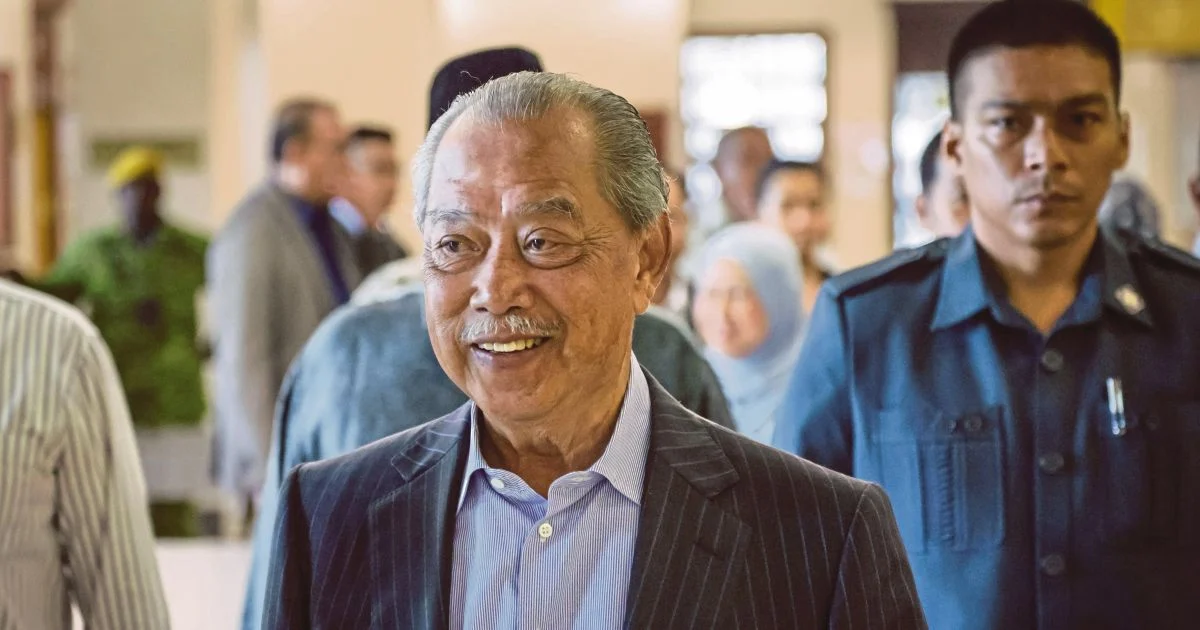
Perikatan Nasional retains genuine prospects of forming the next Johor state government, according to Bersatu president Tan Sri Muhyiddin Yassin, who struck an optimistic tone despite the coalition's decision to contest in only 33 of the state legislature's seats. Speaking in Pagoh, Muhyiddin's assessment suggests that PN is banking on strategic calculations rather than a comprehensive electoral challenge across all constituencies.
The coalition's focused approach to the Johor contest represents a deliberate narrowing of its fighting ground compared to nationwide parliamentary elections. By concentrating resources on 33 seats rather than attempting to field candidates everywhere, PN appears to be employing a targeted strategy aimed at maximising competitive advantage in constituencies where internal polling indicates genuine winning potential. This selective approach carries significant implications for how Malaysian voters interpret the opposition's confidence and organisational strength heading into the state-level contest.
Muhyiddin's declaration of optimism gains particular weight given Bersatu's trajectory in recent years. The party has positioned itself as a crucial player in opposition politics following its departure from government, attempting to rebuild credibility and electoral viability after the tumultuous 2020-2023 period. Johor represents a critical testing ground for the party's organisational capabilities and grassroots support, offering measurable indicators of whether Bersatu can translate political visibility into genuine electoral gains at state level.
The decision to contest only 33 seats raises immediate questions about seat allocation within the PN coalition structure. Perikatan Nasional comprises multiple parties including PKR, Amanah, and Islamic-based political movements. Negotiations over which party contests which seats frequently involve complex internal calculations regarding party strength, incumbent performance, and perceived electability in specific constituencies. The relatively modest seat total suggests either significant PN weaknesses in many districts or a strategic consensus that focusing on winnable seats maximises overall coalition performance.
Johor's political landscape has undergone substantial transformation in recent electoral cycles. The state remains strategically vital for any coalition seeking to build federal government support, given its economic importance and substantial parliamentary representation. Control of the state government carries symbolic weight extending beyond Johor itself, signalling broader coalition momentum or stagnation to political observers and ordinary voters nationwide. For PN, demonstrating competitive viability in a major state assumes importance for legitimacy and bargaining power in future coalition formations.
Muhyiddin's confidence reflects calculations that PN's 33 contested seats may include sufficient constituencies where the coalition possesses meaningful advantages. This might encompass areas with strong existing PN support bases, constituencies where ruling government performance has disappointed voters, or districts where demographic and socioeconomic trends favour the opposition's messaging. The specific composition of these 33 seats matters enormously for assessing whether Muhyiddin's optimism rests on credible ground or represents conventional political boosterism.
The narrower electoral footprint also potentially facilitates resource concentration. By limiting its candidates, PN can direct campaign funding, volunteer efforts, and leadership attention toward highest-priority constituencies. In Malaysian electoral campaigns where financial resources and organisational capacity vary significantly across coalition partners, this focused deployment strategy may enhance effectiveness compared to spreading efforts thinly across all available seats.
However, contesting only 33 seats simultaneously creates vulnerabilities. The ruling government coalition can concentrate counter-campaigns against PN's most threatening constituencies, potentially neutralising the opposition's competitive advantages through targeted voter mobilisation and counter-messaging. Additionally, voters in constituencies where PN fails to field candidates may interpret this as evidence of coalition weakness or abandonment, potentially affecting turnout and morale even in seats the coalition does contest.
Muhyiddin's assertion also occurs within broader context of Malaysian coalition politics where multiple opposition and government groupings jostle for position. The degree to which PN coordinates with other opposition parties in Johor—whether through formal seat-sharing arrangements or tacit understandings about non-interference—substantially affects the coalition's overall competitiveness. Fragmented opposition votes across multiple parties can guarantee government victories even in constituencies where combined opposition support exceeds government backing.
The Johor state election itself carries timing significance within Malaysia's broader political calendar. State elections frequently serve as interim verdict on government performance between federal contests, offering voters opportunity to adjust political direction without fundamentally restructuring national government. For Muhyiddin and PN, strong Johor performance could provide momentum and morale boost extending across party membership and supporter networks, conversely weak results would reinforce narratives questioning PN's viability as serious government alternative.
Muhyiddin's declaration of confidence reflects standard political rhetoric where coalition leaders maintain optimistic public postures regardless of internal assessments. However, the specific claim about remaining chances despite limited seat contestation suggests PN calculates that quality may matter more than quantity—that winning a substantial proportion of 33 strongly-positioned seats could generate narrative momentum and political legitimacy despite modest absolute numbers.
For Malaysian voters and political observers, the real test arrives when election results reveal whether Muhyiddin's optimism translates into actual electoral gains. The state contest will provide concrete measurements of PN support levels, organisational effectiveness, and competitive positioning. Whether the coalition emerges satisfied with results or disappointed will significantly influence opposition coalition dynamics and calculations ahead of potential future elections at state or federal level.

