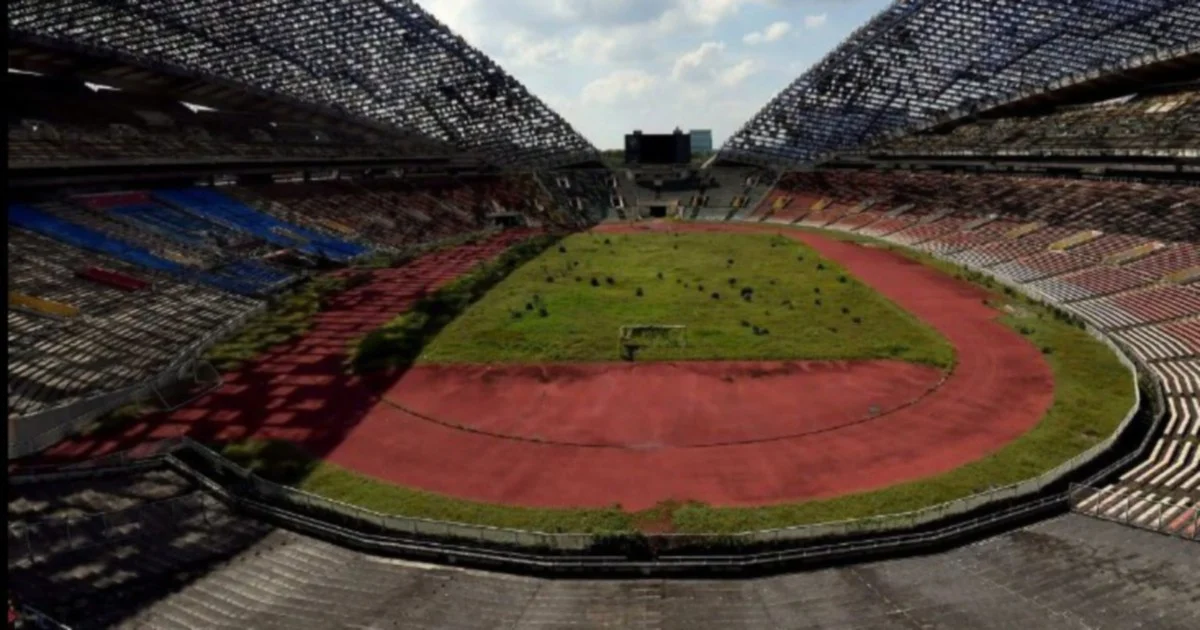
Malaysian Resources Corporation Bhd (MRCB) has successfully obtained a consent judgment through Shah Alam High Court against activist Abdul Razak Ismail in a dispute centred on online commentary surrounding the demolition and subsequent redevelopment of Shah Alam Stadium. The developer pursued legal action after asserting that the activist's digital publications had inflicted financial damage to the company's commercial interests and reputation in connection with the high-profile stadium project.
The consent order represents a significant development in a matter that has drawn public attention to debates around heritage preservation and urban regeneration in Malaysia's Klang Valley region. Shah Alam Stadium, a longstanding sporting venue in the state capital of Selangor, has emerged as a focal point for differing perspectives on balancing commercial development with conservation concerns. MRCB's redevelopment initiative has sparked broader discussions within Malaysian civil society about the treatment of cultural and sporting landmarks amid rapid urbanisation.
Activist responses to major infrastructure projects in Malaysia have grown increasingly visible in recent years, reflecting evolving public engagement with urban planning decisions. Abdul Razak Ismail's online publications regarding the stadium matter align with this broader trend of digital activism surrounding development projects. The court's intervention through a consent judgment indicates the intersection between free expression, digital communications, and corporate interests—a terrain that Malaysian courts have navigated with increasing frequency.
Consent orders function as negotiated settlements where both parties agree to specified terms without proceeding to full trial. In this instance, the arrangement between MRCB and Abdul Razak Ismail suggests a resolution acceptable to both sides, though the specific terms of such orders are typically confidential unless parties choose disclosure. This mechanism offers an alternative to protracted litigation, though it also raises questions about the balance between individual expression and corporate remedies in Malaysia's legal framework.
The economic damage claim advanced by MRCB reflects the company's position that negative online commentary about the stadium redevelopment harmed its commercial operations and investor confidence. Malaysian courts have shown willingness to recognise reputational harm and economic loss stemming from digital publications, establishing precedent relevant to numerous sectors. The property development industry, which operates within Malaysia's highly competitive real estate market, has particular sensitivity to public perception and investor relations.
Shah Alam Stadium's redevelopment represents a significant urban transformation project in Selangor, traditionally Malaysia's second-largest economic centre after Kuala Lumpur. The stadium's conversion from a dedicated sporting facility to a mixed-use development reflects broader patterns observable across Southeast Asian cities, where aging sporting infrastructure increasingly gives way to retail, residential, or office-based projects. This shift raises questions about the future of public sporting venues as commercial development pressures intensify across the region.
The case underscores tensions inherent in Malaysia's regulatory environment governing online speech and corporate interests. Activists, journalists, and public commentators operate within a complex legal landscape where defamation, breach of confidence, and other civil remedies remain available to corporations claiming reputational injury. The consent judgment in MRCB's favour may influence future disputes between developers and critics, potentially affecting the calculus for activists considering public commentary on controversial projects.
SEO-optimised content strategies and digital activism have become intertwined in Malaysia, with social media platforms serving as primary channels for project criticism. The Shah Alam Stadium case demonstrates how online publications—whether constituting legitimate public criticism or defamatory statements—attract legal scrutiny from affected corporations. This dynamic has implications for press freedom discussions and the boundaries of acceptable civic engagement with private enterprise in Malaysia.
SElangor's development trajectory has long reflected Malaysia's broader urbanisation patterns, with the state hosting some of the country's most ambitious infrastructure initiatives. MRCB, as a substantial player in Malaysian real estate, operates within this competitive landscape where reputation management directly impacts investor confidence and project viability. The company's pursuit of legal remedies against the activist signals its prioritisation of brand protection alongside property development.
Moving forward, the consent judgment may establish informal parameters for public discourse surrounding MRCB projects and similar major developments. While the specific terms remain undisclosed, the arrangement provides clarity regarding permissible commentary on the Shah Alam Stadium redevelopment. Industry observers note that such settlements often include commitments regarding future publications, potentially affecting the scope of publicly available criticism.
The broader significance of this case extends beyond the particular dispute to encompass fundamental questions about expression, activism, and corporate accountability in contemporary Malaysia. As digital platforms continue reshaping political and social engagement, courts increasingly adjudicate conflicts between free speech principles and corporate interests. The MRCB-Ismail judgment contributes to an evolving jurisprudence on these crucial matters within the Malaysian legal system.
For Malaysian readers tracking corporate litigation and digital rights, the Shah Alam Stadium case exemplifies the practical constraints activists face when engaging with powerful commercial entities. The consent order outcome, while resolving this specific dispute, may not fully address underlying public concerns about the stadium's transformation or establish precedent definitively protecting similar future critiques. The intersection of development, expression, and corporate power remains contested terrain in Malaysia's rapidly urbanising landscape.

