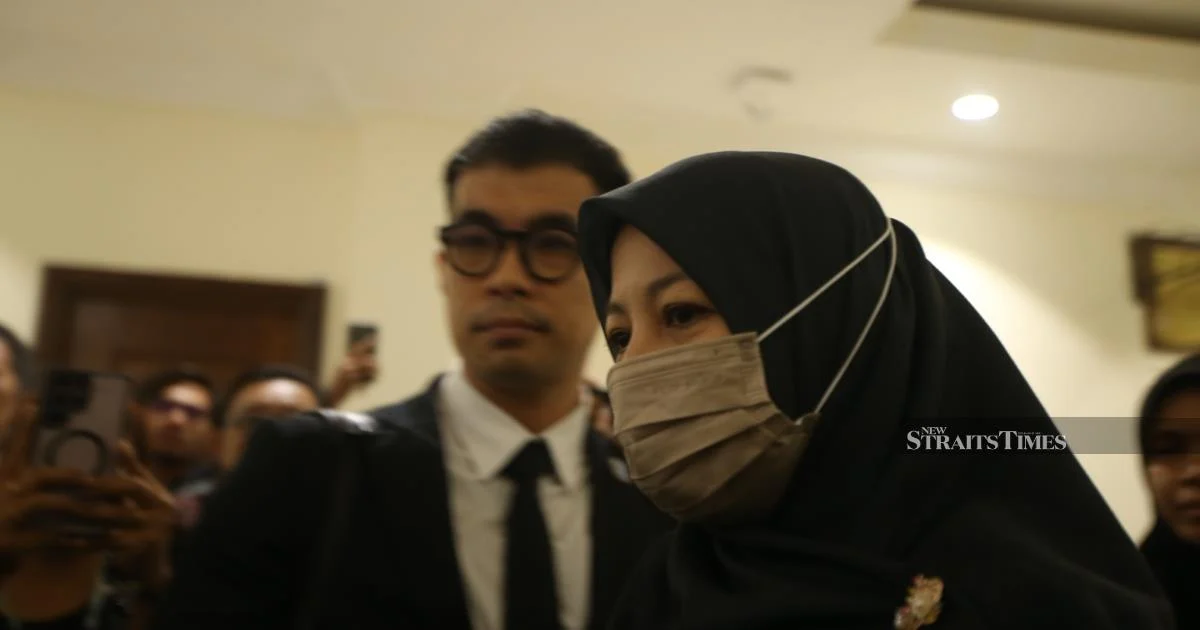
Noraidah Lamat confessed during coroner's proceedings in Kota Kinabalu that she harboured significant misgivings about her choice to send her late daughter Zara Qairinah Mahathir to SMKA Tun Datu Mustapha. The statement, delivered in the formal setting of a coroner's court, underscores the anguish many Malaysian parents experience when selecting educational institutions for their children, particularly when tragic outcomes call such decisions into question.
The inquest into Zara's death represents part of a broader pattern of court inquiries into student welfare at Malaysian schools. Parental testimony in such proceedings often reveals the complexity of choosing boarding schools, balancing academic reputation against concerns about pastoral care, security, and the overall environment in which young people spend formative years. For many Malaysian families, decisions about which school to send children to involve weeks of deliberation, campus visits, and consultations with educators and peers.
SMAK Tun Datu Mustapha, located in Sabah's capital, is among the nation's Islamic secondary schools serving students across Borneo. Like many institutions of its type, the school attracts families seeking both religious instruction and academic excellence. Yet the tragic circumstances that brought this case before the courts highlight how even well-regarded establishments may harbour circumstances that parents cannot always foresee or prevent.
The coroner's court serves as an important investigative mechanism in Malaysia's justice system, examining the circumstances surrounding deaths to establish factual records and, when warranted, identify systemic failings that might contribute to future tragedies. Through such proceedings, bereaved families participate in an official determination of what occurred, providing them with answers and sometimes a platform to articulate concerns about institutional practices.
Parental regret, when articulated in judicial settings, often carries implications beyond individual family circumstances. When mothers and fathers express through court testimony that they would have made different choices had they possessed certain information, it signals potential gaps in how schools communicate safety measures, welfare systems, or concerning incidents to families. These revelations can prompt broader reviews of policies affecting hundreds of other students and parents navigating similar decisions.
The emotional weight of such statements cannot be understated. Parents who lose children face not only the profound grief of bereavement but also the enduring burden of wondering whether different decisions might have altered the outcome. The coroner's court provides a formal mechanism for addressing these unanswerable questions, at least establishing a factual record of circumstances and identifying any institutional factors that merit examination.
For Malaysian parents considering sending children to boarding schools—a tradition particularly strong in communities across Peninsular Malaysia and East Malaysia—cases like this raise difficult questions about institutional accountability. School selection involves assessing academic credentials, facilities, and reputational standing, yet parental capacity to evaluate less visible aspects such as safeguarding culture, staff training in pastoral care, or crisis response procedures remains limited. Malaysian parents increasingly seek transparency about these dimensions when evaluating schools.
The circumstances surrounding Zara's death likely prompted her mother to reflect on warning signs, communications from school, or incidents that might, in hindsight, have suggested cause for concern. Such retrospective analysis, while painful, often contributes to the evidence coroners examine when determining whether systemic failures occurred that might be remedied through recommendations affecting future practice across the education system.
School safety has become an increasingly prominent concern across Malaysia and the wider region. Parents, educators, and policymakers recognise that institutional safeguarding involves more than physical security; it encompasses mental health support, clear reporting mechanisms for concerns, and cultures where staff take welfare issues seriously. Cases examined in coroner's courts sometimes reveal gaps in these areas, prompting reviews of policies at individual institutions or system-wide level.
The inquest process in Malaysia typically involves examination of evidence by legal professionals, testimony from those with knowledge of circumstances, and the coroner's conclusions regarding cause of death and, where appropriate, identification of matters warranting further action by institutions or government bodies. When bereaved parents participate in these proceedings, their testimony contributes to establishing complete factual records while also providing them voice in official determinations about what occurred.
For the broader Malaysian community, proceedings like this underscore the importance of parents maintaining active engagement with schools and remaining alert to their children's wellbeing while at boarding institutions. Open communication channels between parents and schools, regular check-ins, and mechanisms for raising welfare concerns directly with senior staff represent important safeguards complementing formal institutional procedures. Many school tragedies occur in contexts where earlier signs might have prompted intervention had communication been more effective.
The regret expressed by Noraidah Lamat, while deeply personal, also carries systemic implications. Educational authorities and individual schools may examine such cases to identify whether information provided to prospective parents adequately conveyed relevant details, whether welfare systems functioned effectively, and whether there were points at which different decisions by staff might have changed outcomes. These lessons, difficult as they are, sometimes contribute to gradual improvements in how Malaysian schools approach student safety and institutional accountability.

