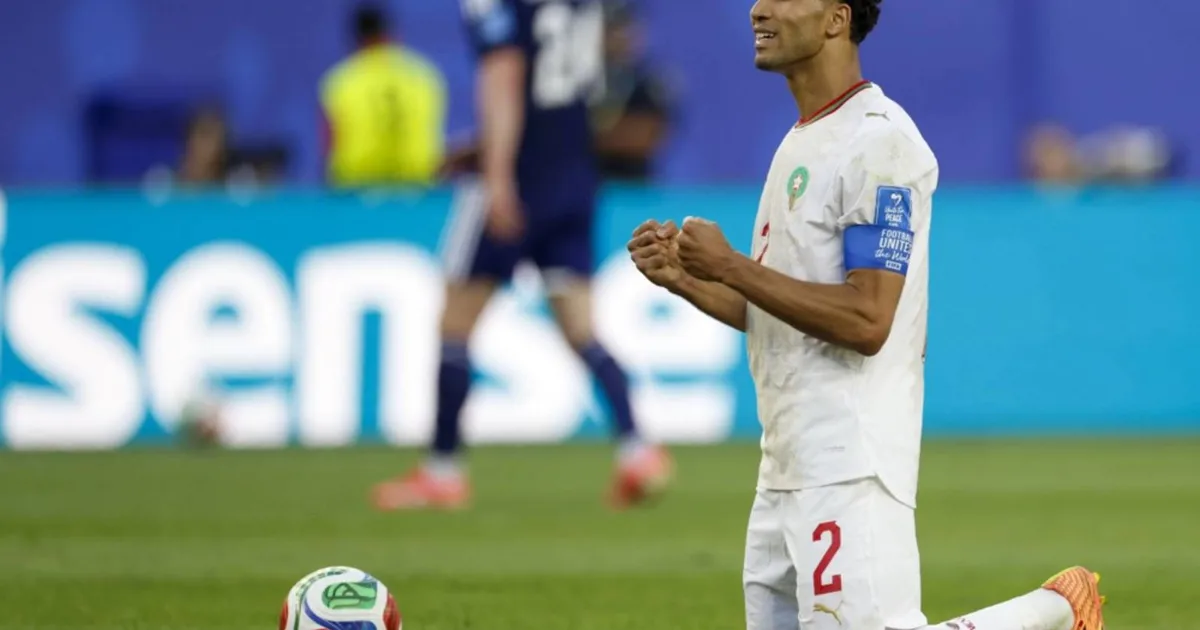
Achraf Hakimi's mental fortitude remains intact despite facing a rape allegation in French courts, according to Morocco's World Cup head coach, who sought to reassure observers about the Paris Saint-Germain defender's ability to compartmentalise his professional and personal circumstances. The coach's public statement reflects the sports world's growing awareness that high-profile athletes facing legal jeopardy must manage extraordinary psychological pressures while maintaining elite performance levels.
The PSG right-back confronts allegations stemming from an incident in the Paris region dating to 2023, involving a 24-year-old woman. Hakimi has consistently maintained his innocence regarding the accusation, with his legal team disputing the characterisation of events. The case represents one of several high-profile allegations involving prominent footballers in recent years, adding another layer to ongoing conversations about athlete accountability and judicial process in professional sport.
For Malaysia and Southeast Asian football enthusiasts, Hakimi's situation underscores how global footballers operate within complex intersections of sporting ambition, media scrutiny, and legal systems that often differ markedly across nations. European football leagues, particularly France's Ligue 1, maintain substantial visibility throughout the region, and developments affecting marquee players carry resonance beyond traditional sporting circles.
The Morocco coach's characterisation of Hakimi as "calm" suggests the player has adopted a coping strategy focused on separation between his courtroom obligations and his pitch responsibilities. Such psychological resilience, while potentially admirable, does not diminish the seriousness of the legal process unfolding in France. The judicial system's progression will ultimately determine outcomes entirely independent of his sporting performance or public composure.
PSG's position in this matter requires careful navigation. The club employs Hakimi on considerable terms and maintains substantial investment in his continued availability and performance. Simultaneously, organisations increasingly face reputational considerations when players face serious allegations. The French club's approach to managing both his playing status and the broader institutional response will likely influence how other European institutions handle comparable situations involving their rosters.
Morocco's national team perspective introduces additional complexity. The country has aspirations regarding international competition and player availability represents a perpetual concern for national coaching staff. Hakimi's presence, or absence, from squad selections carries implications extending beyond individual achievement to broader team dynamics and tactical flexibility. His defensive capabilities and attacking contributions have long constituted essential components of Morocco's international formations.
The timeline of allegations dating to 2023 means that considerable period has elapsed since the incident in question. This interval itself raises questions about investigation procedures, evidence gathering, and the judicial system's capacity to effectively process such matters. For athletes and their representatives, extended legal procedures create prolonged uncertainty affecting both immediate circumstances and long-term career trajectories.
French legal processes operate within frameworks substantially different from those governing several Southeast Asian jurisdictions. Understanding these distinctions proves important for observers seeking clarity regarding Hakimi's situation. The French system includes specific provisions governing investigation, prosecution, and judicial proceedings that will dictate the case's progression and ultimate resolution across months or potentially years.
The broader context of athlete conduct and responsibility continues evolving globally. Sporting bodies, clubs, and national federations increasingly confront expectations to address player behaviour and legal complications with transparency and consistency. Each high-profile case generates precedent informally informing how subsequent situations receive handling, creating indirect but measurable effects across professional football ecosystems.
Hakimi's career trajectory prior to these allegations established him as an accomplished international defender with credentials spanning multiple elite European clubs. His technical abilities and contribution to team success remain separate considerations from allegations he confronts through judicial processes. This separation itself represents an ongoing tension within professional sport—the degree to which individual achievement and institutional position merit influence from concurrent legal challenges.
The statement from Morocco's World Cup coach ultimately reflects calculated effort to maintain normalcy surrounding a player amid significant disruption. Whether such assurances prove accurate will depend substantially on how the French legal process unfolds and what conclusions ultimately emerge. In interim periods, observers reasonably maintain both sympathy for individuals navigating complex legal circumstances while acknowledging the seriousness of allegations requiring proper judicial examination.
For regional football communities watching developments, Hakimi's case illustrates broader patterns affecting elite athletes globally. The intersection of sporting achievement, legal accountability, and organisational responsibility continues reshaping professional football environments across continents. How Morocco, PSG, and French authorities manage this situation will generate implications extending well beyond one player's circumstances into broader institutional practices and player protections across international sport.

