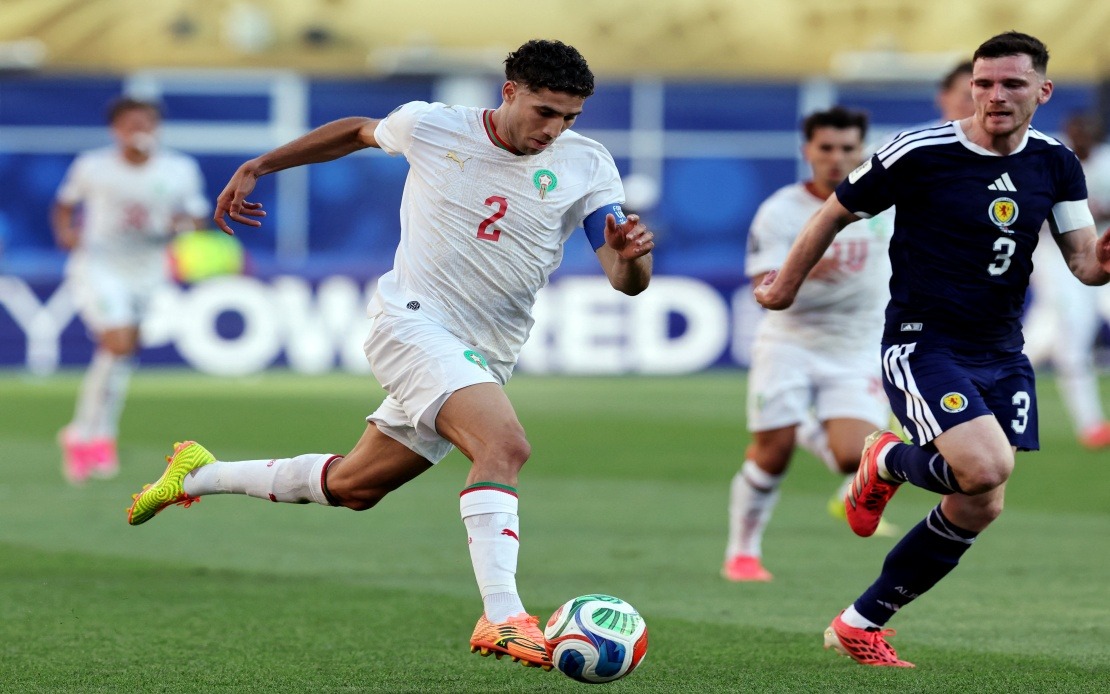
Morocco coach Mohamed Ouahbi has rallied behind his captain Achraf Hakimi in the aftermath of a deeply uncomfortable incident at the Gillette Stadium in Foxborough, Massachusetts, where sections of the crowd booed and jeered the Paris Saint-Germain defender throughout Friday's 1-0 World Cup victory against Scotland. The hostile reception came mere hours after a Versailles appeal court announced that Hakimi must face trial on rape charges relating to allegations from 2023.
The reception Hakimi received was immediate and persistent. When the Morocco squad was announced before kickoff, portions of the crowd whistled and jeered at his name. This pattern of hostility continued throughout the match whenever the 25-year-old touched the ball, creating a tense atmosphere that threatened to overshadow Morocco's important group-stage victory. Such public displays at a major international tournament are extraordinarily rare and raised significant questions about how both the player and the national team would navigate the situation.
Ouahbi's response prioritised unity and sporting focus. Rather than engaging with the legal controversy swirling around his captain, the Morocco coach chose to emphasise team solidarity and Hakimi's on-field performance. "We didn't talk about it and we don't have to. We are behind him," Ouahbi stated firmly, drawing a clear boundary between the courtroom and the pitch. This defensive positioning reflects the delicate position Morocco finds itself in—supporting a player who is facing serious legal allegations while maintaining the integrity of the national team programme.
The coach expressed confidence in Hakimi's ability to respond through his play. "Hopefully he will show at this World Cup that he is the best right back in the world," Ouahbi declared, attempting to redirect conversation toward Hakimi's undeniable talent and potential to demonstrate his value to the team. This appeal to sporting merit over personal circumstance is a common strategy among team officials when players face off-field controversies, though its effectiveness in this case remains uncertain given the serious nature of the allegations.
Ouahbi also offered reassurance about Hakimi's mental state and readiness to perform. "Hakimi was very strong. We are very relaxed, he is also relaxed and playing well," the coach said, suggesting that despite the external pressures and negative crowd reaction, both the player and team management maintained their composure. This assessment came despite the obvious emotional challenge of receiving such a hostile reception on one of football's grandest stages, where players typically seek to perform at their highest level.
The rest of the Morocco squad largely declined to engage with questions about Hakimi's legal situation. This unified silence appears to be a deliberate team strategy, ensuring that focus remained on their World Cup campaign rather than becoming entangled in a complex legal matter. Ouahbi himself was careful to distinguish between sporting appraisal and legal proceedings, steering conversations back to football whenever possible.
The legal context surrounding Hakimi adds significant complexity to the situation. A Versailles appeal court confirmed Friday that the PSG defender must stand trial on rape charges involving a 24-year-old woman who alleged an assault at his residence in 2023. French reports indicated that Hakimi had previously challenged an investigating judge's decision, and the appeal court has now ordered the case to proceed to trial. This represents a serious development in a legal process that will unfold regardless of Morocco's World Cup campaign.
Hakimi has consistently maintained his innocence throughout the allegations. Following the court's announcement, he took to social media to state: "at last, I will be able to speak," suggesting he views the trial as an opportunity to present his defence and clear his name. This public statement indicates he intends to fight the charges, a posture that puts him in direct conflict with his accuser's version of events.
For Malaysian and Southeast Asian readers, this incident encapsulates broader tensions in professional football regarding player conduct, legal accountability, and the boundaries of institutional loyalty. The dilemma facing Morocco—supporting a player accused of serious crime while pursuing sporting objectives—reflects challenges that clubs and national teams globally must increasingly navigate. The decision to field Hakimi despite the ongoing legal process and public controversy underscores the priority placed on competitive success, a reality that extends beyond European and African football to the region's own emerging sporting culture.
The crowd's hostile reaction at a major World Cup venue also raised questions about the appropriate role of spectators when players face criminal allegations. While some viewed the booing as legitimate public expression regarding serious accusations, others contended that a sporting event should remain focused on football itself. This philosophical divide will likely continue shaping discussion as Hakimi's case proceeds through the French legal system.
Looking forward, the situation presents a significant test for Morocco's World Cup campaign. Whether Hakimi continues to receive game time, how he psychologically responds to future crowd reactions, and whether his legal proceedings distract from team cohesion remain open questions. International football has seen players navigate legal challenges during tournaments before, but the combination of serious rape allegations, immediate court proceedings, and hostile public reception creates an unusually complicated backdrop for the player and his nation.

