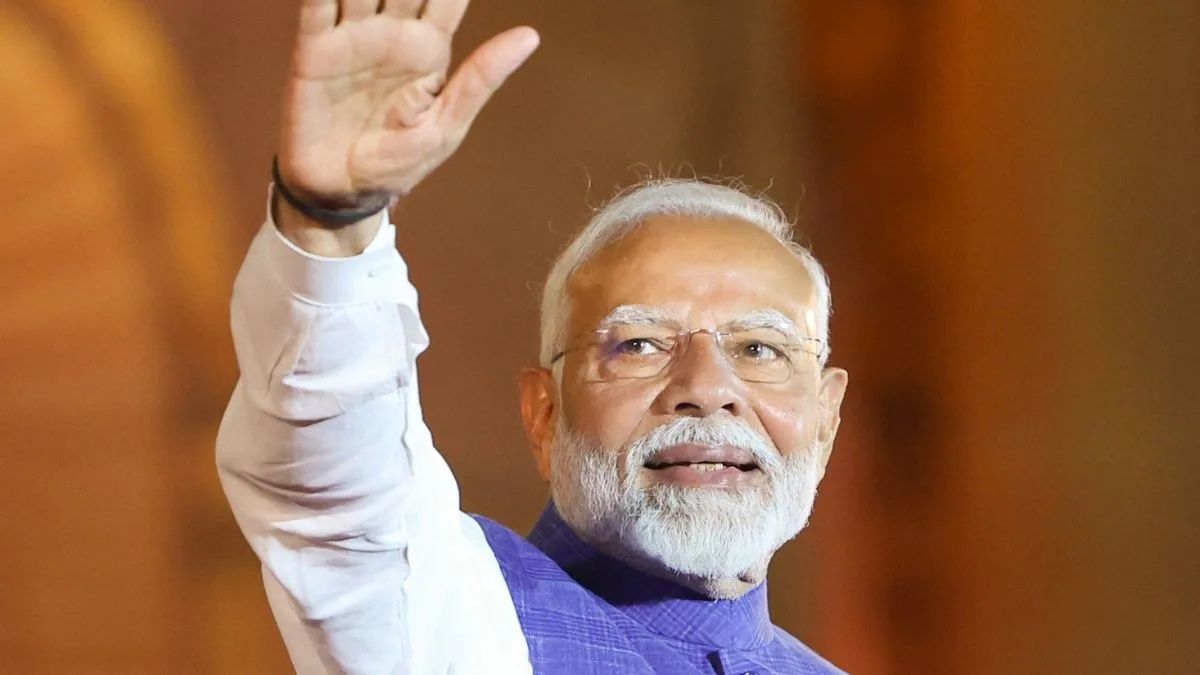
Prime Minister Narendra Modi will spearhead India's 12th International Day of Yoga (IDY) celebrations from Kolkata's historic Red Road on Sunday, June 21, cementing the event's status as a cornerstone of the Modi government's health and wellness agenda. The decision to hold the main national gathering in West Bengal's capital carries strategic implications that extend well beyond the ceremonial aspects of yoga promotion, reflecting New Delhi's heightened focus on the state following recent political shifts.
The early morning programme at Red Road will feature mass demonstrations of the Common Yoga Protocol with thousands of participants, including government dignitaries, BJP leaders, and citizens from across the region. The venue selection itself warrants examination, as Red Road functions as one of Kolkata's most significant public spaces, historically associated with civil gatherings, military pageantry, and contemporary civic initiatives. By positioning the national event at this iconic location, organisers are leveraging the road's symbolic resonance to amplify the celebration's reach and cultural impact within the city.
The timing of hosting IDY's main event in Kolkata cannot be divorced from the political context. The Bharatiya Janata Party's decisive victory in West Bengal's recent Assembly elections, which resulted in the displacement of the long-ruling Trinamool Congress, has prompted New Delhi to signal sustained engagement with the state. Senior BJP functionaries have indicated that West Bengal will command considerable attention from the Modi government in the coming years, with implicit promises of accelerated development to remedy what they characterise as years of administrative neglect. By hosting a signature national event from Kolkata, the government reinforces its commitment to the state's advancement and underscores the BJP's intention to consolidate its newly acquired political foothold.
This year's thematic focus on "Yoga for Healthy Ageing" reflects demographic realities across the globe and within India. Union Minister of State for Ayush Prataprao Jadhav has articulated the underlying concern: while global life expectancy continues to climb, ensuring that additional years translate into active, independent, and meaningful living remains a formidable challenge. Yoga, positioned as a time-tested, holistic approach to healthy ageing, addresses this imperative by strengthening physical health, promoting mental well-being, and enhancing overall life quality. This framing allows the Modi government to present yoga not merely as physical exercise but as a comprehensive wellness framework aligned with contemporary public health priorities.
The scale of participation in this year's IDY celebrations reflects unprecedented organisational effort. The Ministry of Ayush has orchestrated approximately 2,500 events worldwide, with engagement spanning 211 Indian diplomatic missions abroad, extending yoga's reach into diaspora communities and internationally. Within India, the Yoga Sangam Portal has registered more than 600,000 organisations, a figure that underscores the depth of institutional enthusiasm for the initiative. This registration threshold represents a significant organisational achievement, enabling coordinated simultaneous practice sessions across diverse geographical locations and institutional settings.
For Malaysian and Southeast Asian readers, the scale of India's yoga promotion carries particular relevance, given the practice's increasing adoption across the region as part of wellness and healthcare initiatives. The institutional embedding of yoga within government structures—evident in the mandatory participation directive issued to West Bengal government employees—illustrates how yoga has evolved from a spiritual or fitness practice into a state-sponsored public health instrument. This transformation reflects broader regional trends toward integrating traditional wellness systems with contemporary health frameworks.
The Ministry of Culture's parallel initiative to organise yoga programmes at 100 iconic locations across India demonstrates an attempt to weave yoga practice into the nation's cultural heritage narrative. Rather than treating yoga as a modern wellness fad, this approach positions it as integral to India's civilisational identity and contemporary values. The integration of cultural institutions with health promotion underscores how the Modi government utilises wellness initiatives to reinforce broader narratives about national identity and civilisational pride.
West Bengal's requirement for government employee participation at the state level reflects the political imperative to demonstrate enthusiastic endorsement of central government initiatives. This top-down mobilisation ensures visible participation and creates photographic moments of mass coordination that validate the event's significance. However, such mandatory participation also raises questions about the distinction between voluntary wellness adoption and state-orchestrated compliance, a distinction that bears watching as yoga initiatives become increasingly embedded within governance structures across India.
The Ministry of Ayush's extensive promotional campaign, coupled with the thematic emphasis on healthy ageing, positions yoga within the broader architecture of India's health security strategy. As populations age across South and Southeast Asia, including Malaysia, the positioning of traditional practices as evidence-based interventions for age-related health challenges appeals to policymakers seeking culturally congruent and cost-effective health promotion strategies. India's successful scaling of yoga initiatives may provide a template that other regional governments examine when developing their own wellness frameworks.
Kolkata's preparatory events, including the "Daud Se Dhyan 2026 – From Movement to Stillness" initiative organised under the Swachhata Se Swagat Programme, demonstrate efforts to build momentum and public awareness preceding the main celebration. These precursor activities embed yoga within a broader wellness ecosystem encompassing cleanliness, civic responsibility, and individual well-being, creating multiple entry points for public engagement. Such comprehensive framing transforms a single ceremonial event into a sustained movement with institutional depth and community rootedness.
The choice of Kolkata for the 12th IDY ultimately functions simultaneously as celebration, political statement, and strategic investment in West Bengal's BJP consolidation. By deploying a signature national event in a newly conquered political space, the Modi government signals both commitment to the region and confidence in its ability to shape the state's developmental trajectory. For observers across Southeast Asia tracking India's internal political dynamics and health policy innovations, this event encapsulates how traditional knowledge systems are increasingly weaponised for contemporary political and public health objectives within the Indian state apparatus.

