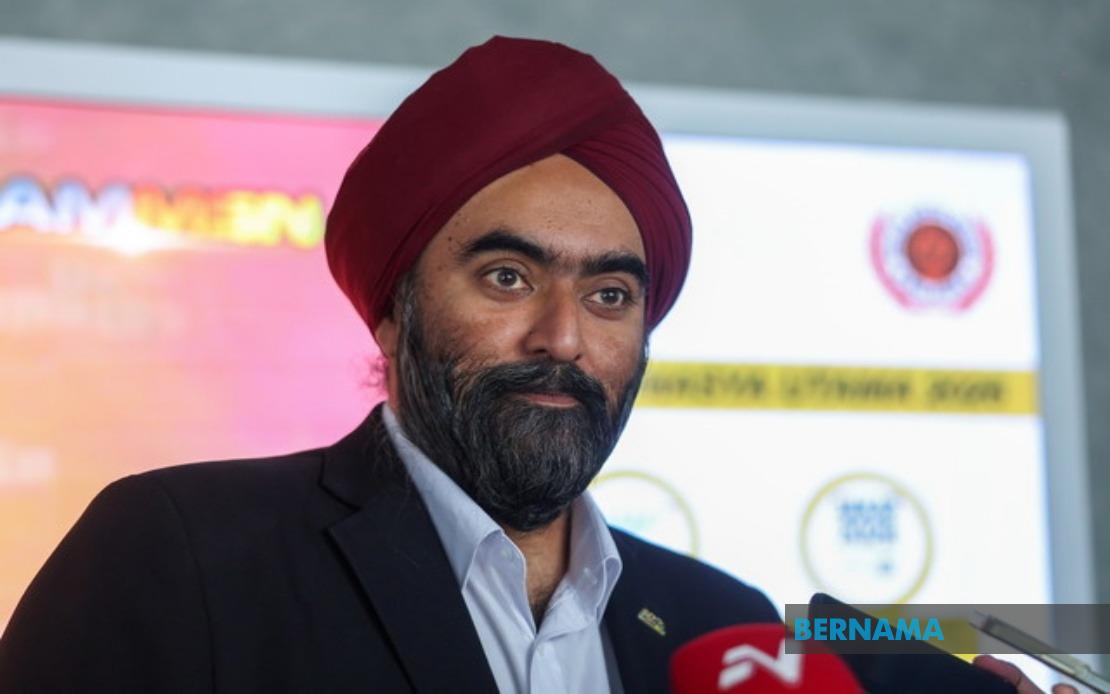
The Malaysian National Cycling Federation is pushing for an urgent high-level meeting with Yayasan Sime Darby to untangle the impasse that forced the postponement of the YSD Track Cycling and BMX Series 2026, signalling the organisation's commitment to preserving one of the country's key talent development programmes. The unexpected delay threatens to disrupt the competitive pipeline for emerging riders at a critical juncture for Malaysian cycling's international aspirations.
Datuk Amarjit Singh Gill, president of the federation, emphasised that resolving the standoff requires immediate engagement between top executives of both organisations rather than continued exchanges through intermediaries. His call for direct talks underscores the urgency with which the cycling body views the situation, with implications extending beyond the immediate series to the broader ecosystem of rider development and talent identification.
While Yayasan Sime Darby previously cited technical issues as grounds for postponing the series, Amarjit characterised the underlying difficulties as manageable if both parties approach negotiations with genuine commitment to partnership. His measured tone reflects a diplomatic effort to lower temperatures while signalling that the federation views the technical obstacles as surmountable through collaborative problem-solving rather than institutional conflict.
The federation chief articulated a core principle that appears central to the dispute: the need for mutual recognition and respect between the MNCF and YSD as equals in a strategic partnership. This language suggests that concerns may extend beyond logistical or administrative matters to questions of governance, decision-making authority, and how the two bodies interact operationally. In many sports sponsorship arrangements, misaligned expectations about roles and responsibilities can calcify into structural disagreements that require senior leadership to reset.
Amarjit's reticence to publicly detail the specific technical issues reflects a calculated approach designed to avoid escalating rhetoric while leaving room for face-to-face negotiation. By declining to elaborate on what went wrong, he signalled that the federation is not seeking to assign blame through media channels, a move that typically opens space for productive dialogue when discussions resume. This restraint stands in contrast to more combative approaches that sometimes characterise disputes in Malaysian sports.
The timing of these developments coincides with the announcement of Le Tour de Langkawi 2026, Malaysia's premier road cycling event, suggesting that broader questions about cycling's direction and sponsorship landscape may be at play. The YSD Series serves an important feeder function for domestic talent development, particularly in track cycling and BMX disciplines where specialised facilities and training programmes are concentrated. Its postponement carries ripple effects across the competitive calendar and athlete preparation schedules.
Yayasan Sime Darby's decision to underwrite cycling development reflects the conglomerate's long-standing commitment to sports in Malaysia, positioning the pause as potentially temporary rather than terminal. The federation's eagerness to characterise the dispute as non-intractable reflects confidence that YSD remains invested in cycling advancement, despite the immediate friction. This institutional relationship carries historical weight that both parties presumably want to preserve.
For Malaysian cycling, the stakes involve more than a single series or season. Track cycling and BMX require specialised infrastructure and coaching that depend on sustained funding and programmatic continuity. Young athletes who might compete in the postponed series face uncertainty about training timelines and competition schedules, potentially affecting their development trajectories. Sponsors like YSD that underwrite these niche disciplines are relatively rare in Malaysian sports, making the preservation of existing arrangements critical.
The federation's emphasis on mutual respect as the foundation for progress hints at governance questions that may be more substantive than purely administrative. Whether involving issues of strategic planning, financial transparency, performance accountability, or decision-making processes, these technical disagreements often reflect deeper questions about how organisations should be run. Resolving them typically requires candid conversation at senior levels rather than operational troubleshooting.
Amartjit's commitment to meeting YSD at any time demonstrates the federation's readiness to absorb the logistical demands of resolution. This flexibility signals that timeline flexibility and scheduling considerations were not the constraint, but rather substantive issues requiring careful dialogue. It also places some onus on YSD to reciprocate with similar availability and willingness to engage.
The cycling federation's management of this public communication appears calibrated to maintain stakeholder confidence in domestic cycling's institutional stability. By projecting optimism about resolution while acknowledging real problems exist, the federation seeks to prevent athlete recruitment difficulties or sponsor hesitation in what is already a niche sporting sector in Malaysia.
As discussions unfold, observers will watch whether the organisations can reconstruct working arrangements that address whatever operational or governance challenges precipitated the postponement. The outcome will shape not only the trajectory of the YSD series but also the broader confidence that potential sponsors and partners have in cycling's institutional arrangements. For a sport seeking to build momentum internationally, domestic stability and partnership coherence matter profoundly.

