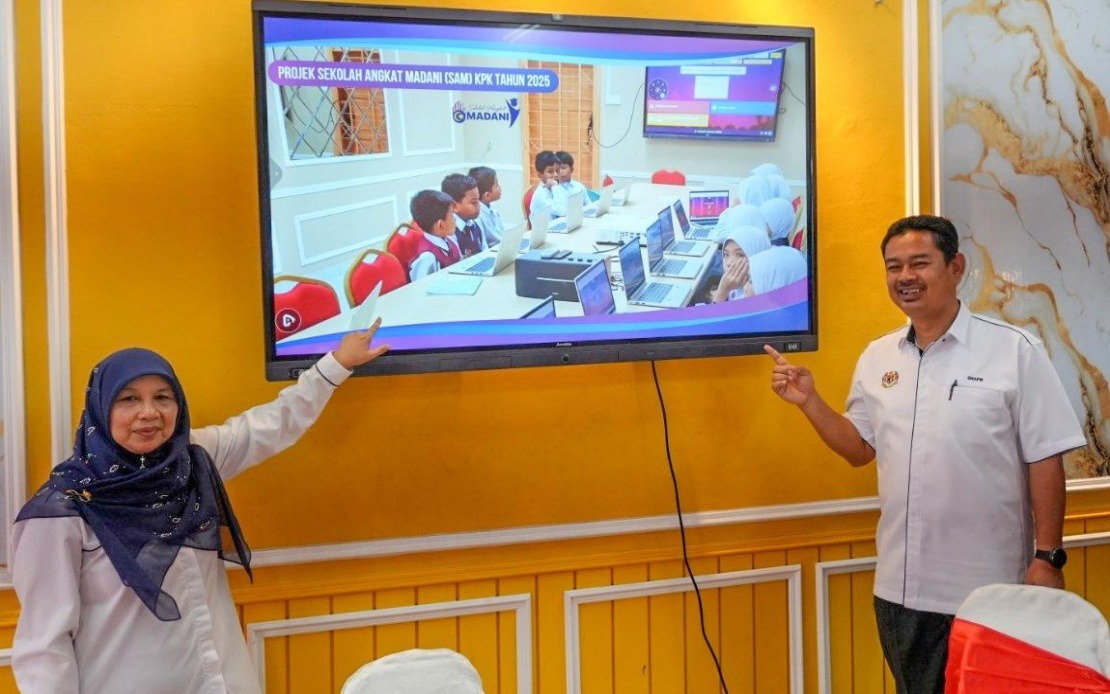
The Ministry of Plantation and Commodities (KPK) has pledged RM100,000 towards upgrading facilities at Sekolah Kebangsaan Bendang Kering in Kuala Kangsar, Perak, marking a tangible demonstration of government efforts to narrow educational disparities between urban and rural Malaysian communities. The funding commitment, formally handed over during a ceremony presided over by KPK deputy secretary-general Shafie Taib, underscores the ministry's broader agenda to strengthen human capital development across the nation's educational landscape.
The school adoption initiative represents a collaborative approach to rural education enhancement, with the Malaysian Rubber Board (LGM) serving as the implementing body under KPK's oversight. This structural arrangement leverages existing government agencies to channel resources more effectively into communities that traditionally receive fewer educational investments. By positioning a commodity-focused ministry as the primary funder, the initiative reflects a strategic policy shift that recognises the interdependence between sectoral development and workforce preparation.
The infrastructure improvements facilitated by this allocation directly address critical gaps in classroom amenities and learning environment quality. The renovation programme encompasses the school's assembly area and main hall, spaces that function as the backbone of school operations for gatherings, events, and community engagement. Simultaneously, dedicated reading corners have been established to encourage independent study habits among students, while preschool classroom environments have undergone modernisation to support early childhood development during critical formative years.
Technology integration forms a cornerstone of the upgrade strategy, with interactive smartboards installed across teaching spaces to transform conventional instruction methods into dynamic, multimedia-enabled learning experiences. Such technological investment reflects contemporary pedagogical understanding that multimodal presentation of content enhances comprehension and engagement, particularly among younger learners who have grown up in increasingly digital environments. Beyond the smartboards, practical comfort improvements including air conditioning systems address the challenge of maintaining student focus and concentration in Perak's tropical climate.
The facility enhancements extend to educational signage and new furniture, seemingly modest investments that nonetheless carry significant implications for school functionality and aesthetic appeal. Appropriate classroom furniture tailored to student age groups supports proper posture and ergonomic development, while clear signage facilitates navigation and reinforces institutional messaging. These details, often overlooked in broad policy discussions, create tangible improvements in the daily experiences of students and teachers.
Beyond physical infrastructure, the adoption programme incorporates academic performance initiatives targeting Malaysia's core curriculum subjects. A structured scheme focusing on Malay, English, Science, and Mathematics provides targeted support where national examinations place heaviest emphasis. The provision of incentives for high-achieving students creates positive reinforcement mechanisms, though educational researchers would note the importance of ensuring such schemes remain accessible to students from varied socioeconomic backgrounds within the school community.
Character and leadership development receives parallel emphasis through two dedicated programmes: the Student Leadership Motivation Camp and the Student Talent Development Camp. These initiatives address a recognised gap in Malaysian education policy—the integration of soft skills, civic responsibility, and personal agency development alongside academic credentials. By institutionalising such programmes within the adoption framework, KPK signals recognition that contemporary workforce demands extend beyond subject knowledge to encompass communication, problem-solving, and interpersonal competencies.
The selection of SK Bendang Kering carries symbolic weight within broader rural development discourse. Kuala Kangsar, while historically significant as the royal town of Perak, remains economically peripheral compared to major urban centres. Educational investments in such locations carry multiplier effects across generations, as improved school infrastructure and academic support systems can influence student aspirations and post-secondary educational pathways. For rural families with limited access to private tutoring or supplementary educational resources, school-based programmes become the primary mechanism for academic advancement.
This adoption scheme operates within Malaysia's ongoing policy commitment to educational equity and inclusive development. Rural schools frequently experience challenges in attracting qualified educators, maintaining infrastructure in humid tropical conditions, and providing students with learning resources comparable to their urban counterparts. While a single RM100,000 allocation cannot address systemic challenges comprehensively, it demonstrates government responsiveness and validates rural communities' entitlements to quality educational facilities.
The involvement of the Malaysian Rubber Board as implementing agency merits examination regarding sectoral workforce development strategies. Commodity-producing sectors including rubber cultivation require skilled workers across production, processing, and management functions. By investing in rural primary education through this ministry, the government potentially nurtures future human resources within commodity-related industries while simultaneously advancing broader educational quality objectives. This alignment between sectoral needs and educational investment represents pragmatic policy integration.
Looking forward, the success of this initiative will be measurable not merely through infrastructure completion but through sustained academic improvements and student progression rates. KPK's confidence that the programme will close educational access gaps requires ongoing monitoring and adaptive management. Schools in comparable rural settings across Perak and neighbouring states may look to SK Bendang Kering's experience as a model for similar interventions, potentially encouraging replication through government and private sector partnerships.
The initiative arrives amid broader Malaysian discussions about educational quality and regional inequality. While major urban centres like Kuala Lumpur and Selangor continue attracting concentrated investment and talent, peripheral regions struggle to retain human capital as graduates migrate toward economic opportunities in metropolitan areas. Educational infrastructure improvements in rural schools represent one policy lever for making such communities more attractive to families and reversing brain-drain dynamics. For SK Bendang Kering specifically, this investment offers immediate pedagogical benefits while contributing to the longer-term proposition that quality education remains accessible and valued across Malaysia's diverse geography.

