The Malaysian Defence Ministry is preparing to receive findings from an investigation into a deadly grenade explosion that claimed two military lives during a training exercise at Hobart Camp in Gurun last month, with Defence Minister Datuk Seri Mohamed Khaled Nordin confirming the report should arrive by the middle of July. The incident has triggered a comprehensive review of military training protocols across the armed forces, reflecting growing concerns about safety standards at the facility.
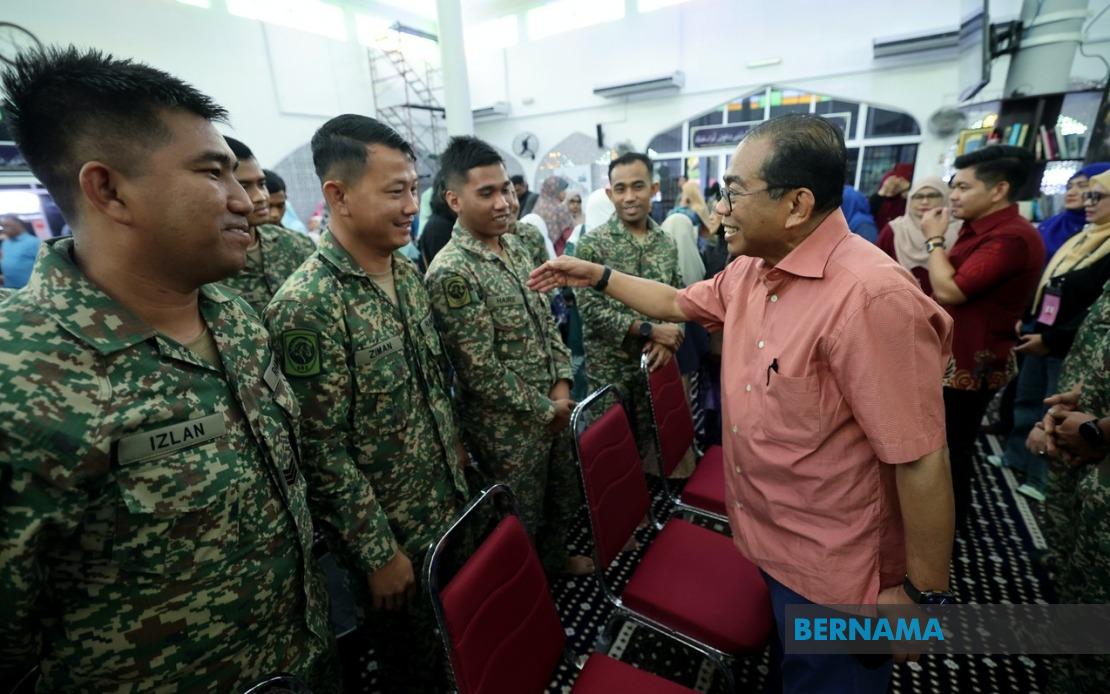
Datuk Seri Mohamed Khaled disclosed that the investigative team is in its final stages of compiling its findings before forwarding the completed report to the Defence Ministry for official review and decision-making. Speaking to journalists after opening the 'Ilmu dan Muafakat' (PIKAT) community development programme at Felda Air Tawar 2 in Kota Tinggi, the minister indicated that once the report is submitted, he will provide public updates on the outcome and any remedial measures required.
The fatal explosion occurred on June 16 at approximately 10.57 am when a grenade detonated unexpectedly during a routine training exercise. The two casualties were Corporal Norazmi Abu Bakar, attached to the Sixth Battalion of the Royal Malay Regiment, and Private Siti Khadijah Sungip, serving with the First Squadron of the Royal Engineers Regiment. Both personnel sustained severe injuries in the blast and were evacuated to Sultan Abdul Halim Hospital in Sungai Petani, where they were pronounced dead en route to the facility.
The gravity of the situation has been compounded by a second mishap that occurred at the identical location just thirteen days later. This follow-up incident has raised serious questions about whether systemic issues existed at the camp that were not adequately addressed following the initial tragedy. The convergence of two major accidents in such rapid succession at the same training facility has prompted military leadership to conduct a broader examination of operational procedures.
On June 29, a firearm accidentally discharged during a combat enhancement training exercise at the same Hobart Camp location, resulting in injuries to two other service members. Sergeant Mohamad Firdaus Che Shaharudin and Corporal Felix Franchis, both from the Fourth Battalion Royal Ranger Regiment, suffered leg wounds from shrapnel generated by the unexpected gunfire. The incident occurred at 6.15 pm and marked the second major safety breach within a fortnight, intensifying scrutiny of training management at the facility.
Datuk Seri Mohamed Khaled indicated that the Malaysian Army has been explicitly instructed to conduct a thorough examination of its training methodology and procedures, with particular attention to identifying whether additional gaps or deficiencies exist beyond those already identified. The minister emphasized that military leadership will refrain from implementing substantive policy changes until the formal investigation conclusions are available, indicating that the review will be methodical rather than reactive.
The dual incidents have underscored vulnerabilities in how training exercises are supervised and how safety protocols are enforced during high-risk operations involving explosive devices and firearms. Training camps across Southeast Asia frequently struggle with balancing the demands of realistic military preparation with adequate safety precautions, and the Hobart Camp situation reflects challenges that military establishments in the region face. The deaths of the two service members represent a significant human cost that has galvanized official attention.
For Malaysia, the investigation outcomes carry broader implications for military readiness and public confidence in the armed forces' ability to protect personnel under their command. The Malaysian public has grown increasingly sensitive to workplace safety across government institutions, and military fatalities during training exercises generate particular concern because they occur within controlled environments where preventable accidents should be minimized. The Defence Ministry's commitment to transparency through public updates suggests recognition of this public interest dimension.
The investigation report will likely examine whether training participants received adequate briefings, whether equipment was properly maintained and inspected, whether supervisory personnel maintained appropriate vigilance, and whether emergency response protocols functioned effectively. These foundational questions will shape any subsequent recommendations for operational improvements. Additionally, the inquiry may assess whether cultural attitudes within military training environments have inadvertently normalized risk-taking or discouraged reporting of unsafe conditions prior to incidents occurring.
The Malaysian Army's impending review represents a critical juncture for institutional learning. Military organizations globally have found that accidents clustering at specific locations often indicate systemic rather than isolated failures, making the comprehensive examination that Datuk Seri Mohamed Khaled has directed particularly important. By mid-July, when the investigation report reaches the Defence Ministry, Malaysian defence officials will face consequential decisions about whether existing training protocols require fundamental restructuring or whether targeted modifications will suffice to prevent future tragedies at Hobart Camp and other military training facilities.

