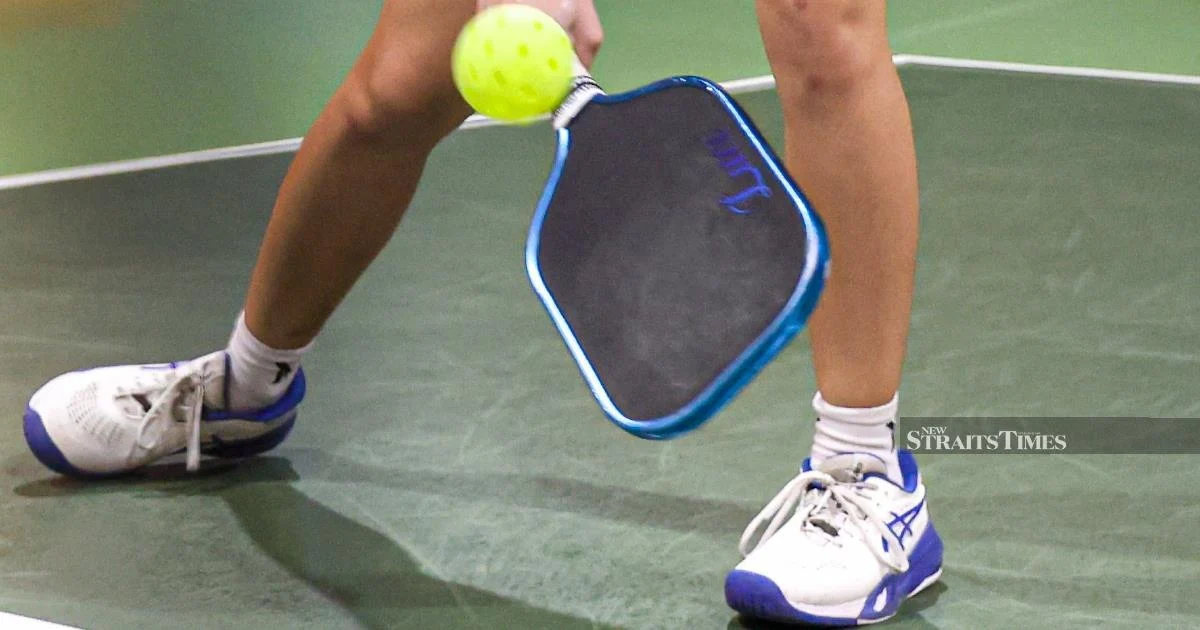
A heated dispute involving a late-night pickleball game in Petaling Jaya has catalysed fresh calls for municipal authorities to assume greater regulatory power over the placement and management of recreational courts near housing areas, highlighting growing tensions between the sport's explosive popularity and residential tranquillity across Kuala Lumpur's suburbs.
The incident, which circulated widely on social media platforms, has exposed a significant gap in existing governance frameworks governing the approval and operation of sports facilities in densely populated residential neighbourhoods. Currently, many local councils in the Klang Valley exercise limited direct authority over such approvals, with responsibility often fragmented across different agencies and departments, creating ambiguity about who bears ultimate accountability for enforcing operational standards.
Pickleball, a paddle sport resembling tennis but played on smaller courts, has experienced remarkable growth in Malaysia over the past three years, transforming from a niche American import into a mainstream recreational activity. The sport's accessibility—requiring minimal skill acquisition compared to tennis and involving lower physical impact—has attracted diverse demographics ranging from retirees to young professionals, driving unprecedented demand for dedicated court facilities across urban and suburban areas.
The Petaling Jaya incident underscores a critical problem: rapid facility expansion has outpaced regulatory infrastructure. Many new courts have been established through private developers or small operators with minimal consultation regarding optimal siting relative to residential zones. Operating hours frequently extend into late evening without formal restrictions, creating noise disruptions that neighbouring residents have little recourse to address through existing municipal bylaws.
Residents and community representatives have begun advocating for comprehensive local council involvement in approving new court locations, arguing that such bodies possess the territorial knowledge and direct accountability to ratepayers necessary for balanced decision-making. Proposed measures include mandatory impact assessments before facility approvals, consultation with affected residential communities, and enforceable operating hour restrictions that prevent noise generation during night hours.
The broader context involves Malaysia's evolving relationship with recreational sports governance. Unlike established activities such as football and badminton, which operate under established national frameworks and federation structures, pickleball exists in something of a regulatory vacuum. The Sport Malaysia agency has begun formalising the sport's domestic structures, but local implementation mechanisms remain underdeveloped, leaving individual municipalities scrambling to address facility-related complaints reactively rather than proactively.
Business operators running pickleball facilities contend that overly restrictive council oversight could stifle the sport's expansion and impose excessive compliance costs that translate to higher user fees. They argue that existing noise regulations, if properly enforced by local authorities, already provide adequate protection without requiring specialised pickleball-specific rules. Some facility managers maintain that isolated incidents should not trigger blanket restrictions affecting the broader recreational community.
However, municipal officials increasingly recognise that accepting applications without systematic frameworks has created administrative chaos and citizen grievances. Local council officers report receiving growing numbers of noise complaints and requests for facility regulation information, yet lack clear statutory authority or standardised procedures for responding comprehensively. This governance vacuum has eroded public confidence in municipal competence and responsiveness.
The Malaysian Pickleball Association and Sport Malaysia have begun engaging with local councils to develop standardised best-practice guidelines for facility design, location selection, and operational protocols. These discussions represent an important first step toward bridging gaps between sport expansion and residential quality of life, though translating voluntary guidelines into enforceable local regulation requires political will and legislative amendments.
Experts on municipal governance suggest that the pickleball dispute illustrates broader challenges facing Malaysian city councils as recreational preferences diversify. Traditional planning frameworks emphasised major infrastructure like leisure parks and sports complexes, but contemporary demand increasingly involves decentralised, neighbourhood-level facilities that require different oversight approaches. Councils must develop capacity and expertise to evaluate such proposals systematically rather than addressing them sporadically through complaint management.
The path forward likely involves collaborative frameworks where councils obtain statutory authority to impose conditions on facility approvals, including operating hour restrictions and noise mitigation requirements, while sport associations help develop industry standards that demonstrate responsibility and self-regulation. Such arrangements have succeeded internationally where recreational sport governance reflects genuine partnership between municipal governments, facility operators, and residential communities.
For Malaysian residents observing this debate, the pickleball row represents something beyond a noise complaint—it reflects fundamental questions about how growing cities accommodate expanding recreational cultures while protecting residential amenity. As Malaysia continues urbanising and leisure activities diversify, establishing clear governance mechanisms at the local council level will prove increasingly essential to maintaining social harmony whilst enabling healthy community engagement through sport.

