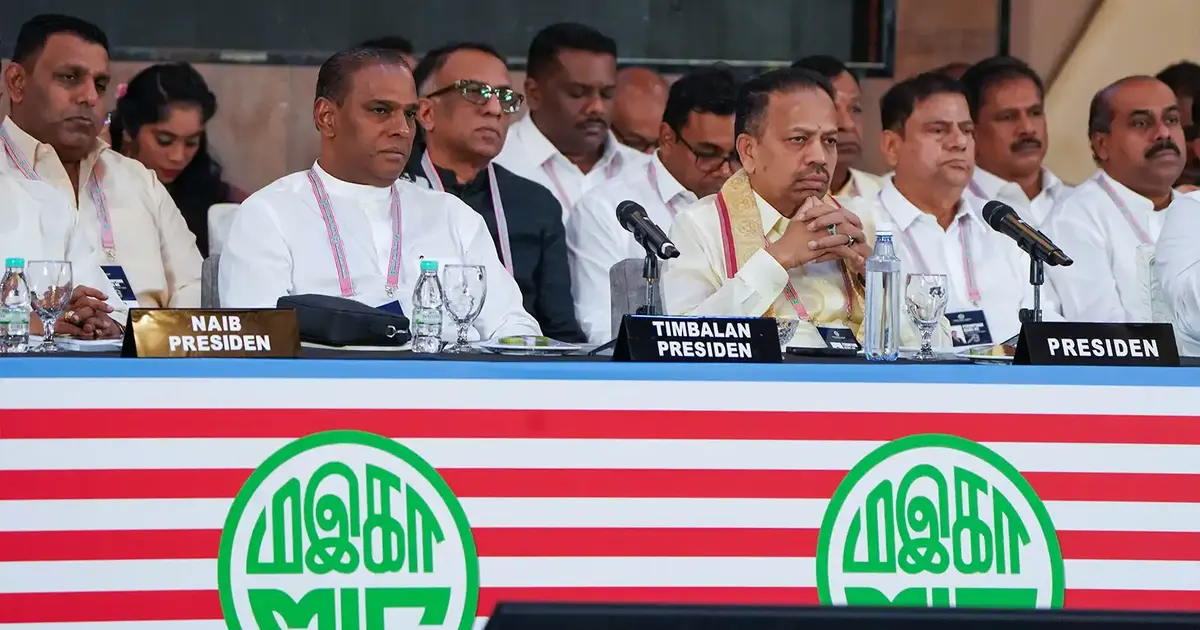
The Malaysian Indian Congress is preparing to defend two seats in the Johor state election as part of a broader seat-sharing arrangement within the Barisan Nasional coalition, according to party officials. The seat swap with Umno represents a strategic recalibration within the venerable coalition as it seeks to optimise candidate placement and electoral performance ahead of the polls.
MIC's involvement in the Johor contest underscores the continuing relevance of the Indian-based component party within the broader BN machinery, though its electoral footprint has contracted significantly over the past decade. The party faces mounting pressure to demonstrate its value within the coalition through improved seat performance and enhanced representation of Indian Malaysian concerns at the state level. The outcome in Johor carries symbolic weight as a bellwether for MIC's broader standing within BN and its capacity to mobilise the Indian voter base.
The total allocation for MIC across the state is expected to encompass four seats, suggesting the party is fielding candidates beyond its core defensive positions. This expanded footprint indicates confidence within party leadership that fresh strategies and renewed grassroots engagement can reverse recent electoral setbacks. The inclusion of additional seats demonstrates coalition trust in MIC's organisational capacity, though success will depend on execution at the ground level where demographic shifts and rival party outreach have intensified competition.
Bukit Batu emerges as a particularly significant contest in this arrangement, reflecting either MIC's perceived strength in that constituency or strategic importance within the broader coalition calculus. The decision to contest this seat suggests internal analysis indicating viable voter support, whether rooted in incumbent advantages or demographic composition favourable to the party's messaging. The vibrancy of contest conditions in Bukit Batu will partly determine whether MIC can convert its allocation into actual seats held.
The seat-sharing arrangement with Umno illustrates the continuing operational mechanisms within BN, where component parties negotiate allocations based on perceived electoral viability and coalition dynamics. Such negotiations have grown more fraught in recent election cycles as competition within the coalition for winnable seats has intensified. The willingness of both parties to execute a swap suggests underlying consensus on electoral mathematics and a mutual interest in preventing three-cornered contests that might disadvantage either party.
For Malaysian observers monitoring coalition stability, the MIC-Umno arrangement carries broader implications regarding BN's internal cohesion heading into the Johor contest. The coalition has experienced periodic friction between components over seat allocation and resource distribution, making successful negotiations a prerequisite for effective campaigning. The fact that parties can still reach workable compromises suggests institutional mechanisms remain functional, though future elections may test these arrangements further as demographic shifts reshape electoral competitive dynamics.
The timing of MIC's seat strategy announcement reflects the accelerating pace of election preparation and the need for coalition partners to establish their campaign calendars and candidate selection processes. Early clarity on seat allocations permits parties to begin ground-level organising and candidate vetting before the election writ is issued. This advance coordination contrasts sharply with chaotic allocation processes in previous cycles, suggesting the coalition has internalised lessons from earlier disputes.
For Indian Malaysian voters, particularly those concentrated in Johor constituencies, MIC's expanded allocation represents both opportunity and challenge. The party must articulate compelling reasons for Indian voter support while addressing long-standing concerns regarding educational access, economic opportunities, and representation in governance structures. Competition from alternative parties offering dedicated outreach to Indian communities has forced MIC to sharpen its messaging and demonstrate concrete benefits delivered through its legislative representatives.
The Johor state election therefore becomes a crucial testing ground for MIC's viability as a political force capable of delivering electoral outcomes within the BN framework. Strong performance could reinvigorate the party's internal dynamics and provide leverage in future coalition negotiations. Conversely, poor results would likely accelerate calls within the party for strategic reassessment and potentially trigger leadership challenges. The electoral stakes for MIC extend beyond Johor, carrying implications for its role within BN following the contest.
Coalition observers will watch how effectively MIC translates its four-seat allocation into competitive campaigns and ultimately seat gains. The party's ground machinery, candidate quality, and message resonance with voters will determine whether the negotiated arrangements yield tangible electoral rewards. Engagement with younger Indian voters, particularly in urban constituencies, represents a critical challenge given the demographic realities shaping modern electoral contests in Malaysia.