The Malaysian Golf Association has launched a strategic initiative to strengthen the nation's competitive readiness for golf at the 2027 SEA Games by requesting the Ministry of Youth and Sports to establish a dedicated, full-time national coach position. The move reflects growing recognition within the sport's governing body that sustained, high-calibre coaching leadership is essential for developing a medal-winning national contingent when Malaysia hosts the biennial regional championship in September 2027. The initiative emerged during recent discussions between MGA leadership and senior government officials, signalling alignment between the association and the sports ministry on the importance of golf's contribution to Malaysia's sporting ambitions.
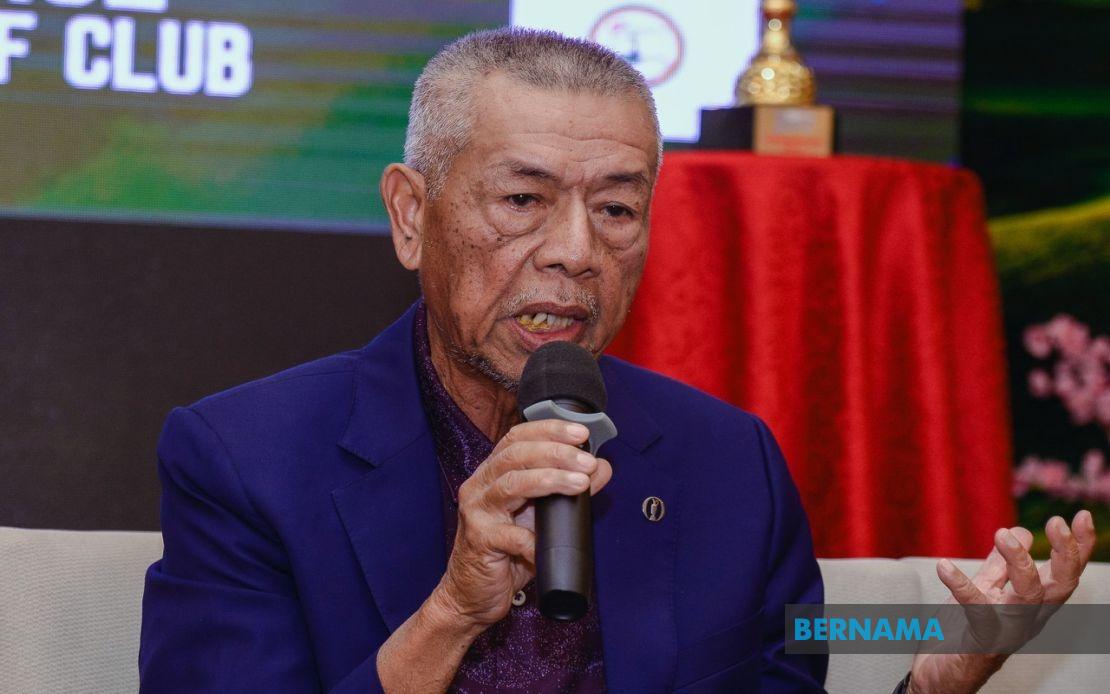
Tan Sri Mohd Anwar Mohd Nor, the MGA president, outlined the association's position during remarks at the launch of the 100PLUS MGA National Junior Development Programme Junior Series 2026 at The Mines Resort & Golf Club in Serdang. He emphasised that securing a highly accomplished international or regional coach would enable the association to implement a more systematic and evidence-based preparation schedule for national squad players. The request underscores a fundamental challenge facing Malaysian golf: the need to transition from episodic talent identification to a coherent, continuous pathway that nurtures young players and maintains veteran performers at their peak competitiveness during major tournaments.
The conversation with Datuk Rahimi Ismail, the KBS secretary-general, represented a critical juncture for golf's institutional standing within Malaysia's broader sports ecosystem. Mohd Anwar emphasised that beyond the coaching appointment, collaborative frameworks with both the Ministry of Youth and Sports and the National Sports Council would be pivotal in navigating athlete welfare, funding allocation, and programme coordination. This multidimensional approach reflects acknowledgment that elite sport success depends on infrastructure extending far beyond individual coaching relationships—encompassing sports science support, competition schedules, training facilities, and financial sustainability.
The MGA has already begun mapping out an ambitious preparation strategy that extends geographically across Malaysia. Beyond centralised training camps, the association has explored the possibility of establishing dedicated preparation facilities in Sarawak, leveraging the state's golf infrastructure and human resources. Tan Sri Mohd Anwar's recent engagement with Sarawak's Minister of Youth, Sports and Entrepreneur Development, Datuk Seri Abdul Karim Rahman Hamzah, indicates that decentralised training nodes may become part of the national programme. Such an approach offers practical advantages: diverse course conditions help golfers develop versatility, while regional engagement strengthens community interest in golf and creates pathways for identifying talent beyond the Klang Valley.
The timing of this initiative carries particular significance for Malaysian sport. Hosting the SEA Games represents both opportunity and expectation—the nation's golf community understands that home advantage and comprehensive preparation should translate into medal success. Neighbouring countries, particularly Thailand and Indonesia, have invested heavily in golf infrastructure and coaching expertise over recent years, raising competitive standards across the region. Malaysia must therefore match these investments to avoid ceding relative advantage, particularly in categories where it traditionally competed strongly.
Establishing a permanent national coach position would also address a longstanding structural weakness in Malaysian sport: the reliance on rotating or part-time coaching arrangements that hinder programme continuity and athlete trust. A full-time appointment would permit the coach to oversee talent identification systems, maintain consistent communication with club-level coaches across Malaysia, design periodised training programmes calibrated to the SEA Games schedule, and conduct ongoing performance analysis. Such engagement intensity is difficult to achieve with part-time arrangements, particularly when competing internationally.
The financial implications of this proposal merit consideration within the broader context of sports funding in Malaysia. Securing a world-class coach inevitably entails substantial remuneration, yet this investment must be evaluated against the return potential: medal performance at the SEA Games enhances national prestige, inspires youth participation in golf, and justifies continued government support for the sport. The MGA's appeal to KBS implicitly acknowledges that self-generated revenue from club memberships and tournament sponsorships, while important, cannot alone fund elite-level programme development.
The National Junior Development Programme initiative announced simultaneously represents the complementary investment essential for long-term success. Creating pipelines of young talent ensures that any national coach inherits a cohort of developing players with the potential to mature into competitive performers. The 100PLUS partnership underscores how commercial sponsorship can sustain grassroots development, though systematic coaching at elite levels requires public sector commitment.
Malaysia's hosting of the 2027 SEA Games presents an opportunity to recalibrate golf's position within the national sports agenda. Beyond the specific request for a full-time coach, the MGA's engagement with government indicates broader recognition that sustained excellence requires institutional investment, long-term planning, and alignment across multiple stakeholder groups. The outcome of these discussions will signal whether Malaysian sport policy is genuinely committed to building competitive advantage through infrastructure and expertise, or whether ad-hoc approaches will continue to characterise preparation for major tournaments. For golf specifically, the coming months will prove decisive in determining whether the sport can leverage home advantage into tangible medal success and establish a foundation for sustained competitiveness across the region.

