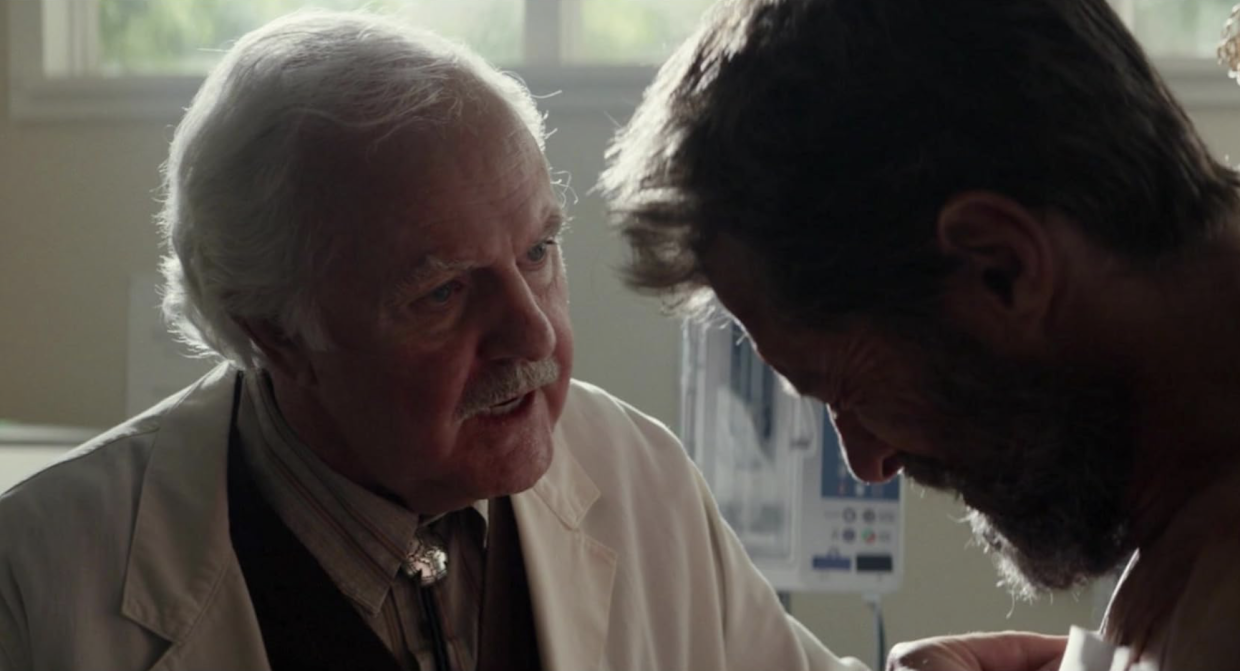
A Los Angeles Superior Court judge has declared that Michael Gledhill, the man charged with murdering veteran character actor James Handy, lacks the mental capacity to comprehend the charges against him or meaningfully participate in his own legal defence. The ruling, issued Monday by Judge Maria Cavalluzzi, represents a significant procedural development in the case and raises questions about criminal culpability when serious psychiatric conditions are involved. Gledhill, 44, cannot rationally assist his attorney or grasp the nature of the allegations he faces, according to the court's findings.
The stabbing death of 81-year-old Handy, whose career spanned decades with appearances across numerous television shows and films, initially drew swift action from law enforcement. Officers responded to a residential address after receiving a 911 call from someone claiming "I am the son of man, I just killed the man of sin." Gledhill subsequently identified himself to police as the person responsible, leading to his arrest. However, the trajectory of the case shifted substantially when he failed to make his initial court appearance on June 5, when the presiding judge suspended regular criminal proceedings and redirected the matter to the court's mental health division.
Following psychiatric evaluations conducted under the mental health court's auspices, clinical experts determined that Gledhill did not possess the cognitive or emotional capacity necessary to stand trial. Judge Cavalluzzi's decision Monday affirmed these findings and extended further protections. She ruled that Gledhill cannot make informed decisions regarding his own medical treatment, a determination that opened the door to involuntary psychiatric medication. The judge authorized antipsychotic or other therapeutic medications to be administered against his will for a maximum period of one year, based on a psychiatrist's assessment that appropriate pharmaceutical intervention could substantially improve his mental health condition.
The court has scheduled a hearing for July 14 to evaluate the appropriate long-term placement and continued care arrangements for Gledhill. This intermediate step reflects the judicial system's recognition that individuals deemed incompetent require ongoing assessment before their ultimate disposition can be determined. If his mental condition improves sufficiently and he is subsequently found competent to stand trial, the criminal prosecution would proceed to the next stage. Until then, Gledhill remains in a legal limbo where the typical machinery of criminal justice is suspended in favour of therapeutic intervention and continued evaluation.
The circumstances surrounding the incident have begun to emerge through accounts from those who knew Handy. Brian Delate, a longtime friend and fellow actor, revealed that Gledhill's mother had converted her garage into living quarters for her son. Although Handy maintained his own residence, he spent considerable time at the garage apartment. Delate indicated that Handy had casually mentioned concerns about his girlfriend's son experiencing mental health difficulties, suggesting that the actor may have been aware of psychological struggles within the household where he was found. This relational context raises important considerations about how untreated mental illness in domestic settings can create dangerous circumstances, particularly when vulnerable individuals share confined spaces.
The case illuminates the intersection of criminal law and mental health within the American justice system. Competency determinations, which have roots in Anglo-American jurisprudence extending back centuries, reflect the principle that individuals cannot be subjected to trial when they cannot understand the proceedings or defend themselves. These safeguards exist theoretically to protect defendants' rights and preserve the integrity of the judicial process. However, they also create practical challenges: victims' families must contend with indefinite delays in seeing their case resolved, resources are expended on ongoing mental health evaluations and treatment, and resolution remains uncertain.
For Malaysian and Southeast Asian audiences, this case offers instructive parallels regarding how different legal systems grapple with mental health and criminal responsibility. While Malaysia's legal framework similarly recognises insanity as a potential defence and courts may pause proceedings when a defendant's competency is questionable, the specific procedures and emphasis on involuntary medication may differ from local practice. The case underscores universal challenges that societies face when serious mental illness intersects with serious crime.
Neither prosecution nor defence counsel responded to requests for comment, leaving unanswered questions about their respective positions on Gledhill's condition and what they anticipate regarding future proceedings. The silence from legal representatives suggests the sensitive and complex nature of the case, which involves not only a grieving victim's family but also a defendant whose criminal culpability remains entangled with documented psychiatric dysfunction. The evidence of voluntary self-identification to police and the circumstances of the alleged offence present distinct factual foundations that any subsequent competency restoration would need to address.
James Handy's death represents the loss of an entertainment industry figure whose prolific work over many decades left an imprint on American television and film. Yet beyond the professional accomplishments that defined his public life, his death highlights the human tragedy that occurs when mental illness remains untreated or unmanaged within household settings. The case will likely remain in extended adjournment pending psychiatric treatment outcomes, with the July 14 hearing representing the next procedural milestone in what may become an extended process rather than a swift resolution.

