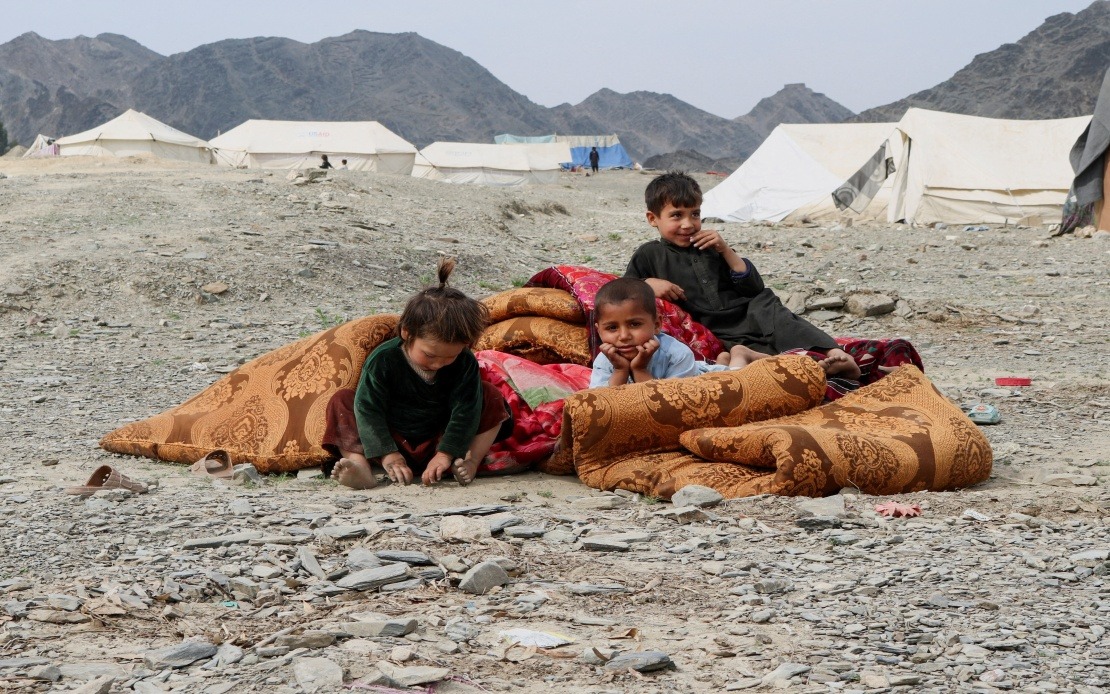
The humanitarian situation in southern Afghanistan has deteriorated markedly, with Doctors Without Borders warning of a severe spike in childhood malnutrition that threatens the region's youngest and most vulnerable population. The aid organisation, known internationally as Médecins Sans Frontières (MSF), released figures on Friday showing that nutrition facilities it operates across the southern provinces experienced a 30 per cent increase in admissions of malnourished children during the opening months of this year when measured against the same timeframe in 2023.
The nature of cases presenting at these facilities has become increasingly dire, according to Ana Lilia Banda, the medical coordinator leading MSF operations in southern Afghanistan. She emphasised that children are arriving at treatment centres in critical physiological states, often accompanied by preventable complications that could have been identified and managed far earlier had adequate healthcare infrastructure remained in place. The demographic profile of admissions reveals a concentration among infants, with the vast majority of malnourished children being under twelve months old—a period of life when nutritional deficits cause irreversible developmental damage and carry the highest mortality risk.
The deteriorating circumstances facing Afghan children must be understood within the context of Afghanistan's recent political upheaval and the international response to Taliban rule. When the Taliban consolidated power in summer 2021, many Western donor nations responded by freezing or substantially reducing their financial commitments to humanitarian operations across the country. This withdrawal of international support has proven devastating for the healthcare ecosystem that had been painstakingly developed over the preceding two decades, leaving medical facilities operating far below capacity or shutting their doors entirely across the nation.
The cascading effect of these funding constraints extends beyond direct healthcare delivery to encompass the entire system of disease prevention and early detection. With fewer operational clinics and health workers across rural and urban areas, cases of malnutrition that might previously have been identified through routine health screenings now progress to advanced stages before intervention becomes possible. This breakdown in preventive capacity explains why MSF facilities are receiving predominantly severely malnourished children requiring intensive intervention rather than treating milder cases during earlier, more recoverable phases.
Environmental factors compounding the humanitarian emergency have included recurrent drought conditions affecting southern Afghanistan. The region's agricultural productivity has suffered repeated setbacks over consecutive seasons, constraining household food production and purchasing power among already economically fragile populations. When drought combines with the collapse of social safety nets and reduced access to food assistance programmes, families lack the buffers necessary to sustain adequate nutrition for young children during periods of hardship.
The Taliban administration has not remained entirely silent on the crisis, with Hamdullah Fitrat, the deputy spokesman for the Taliban government in Kabul, asserting on Wednesday that the ruling authority remains committed to safeguarding children's rights and wellbeing. Such pronouncements, however, carry limited weight without corresponding resource allocation and functional institutional capacity to translate commitments into tangible improvements in healthcare access and nutrition support programmes.
A potentially significant development emerged this week when Taliban representatives held discussions with the European Commission in Brussels—described as the first such technical-level engagement between the two parties. The talks centred on deportation procedures for Afghan nationals, reflecting the complex and fraught diplomatic positioning between the European Union and Afghanistan's current government. These discussions underscore how geopolitical considerations and migration management have intersected with humanitarian concerns, with deportation policies potentially returning economically vulnerable Afghans to an environment lacking adequate social support systems.
For regional observers, particularly those in Southeast Asia, the Afghan situation offers sobering lessons about the humanitarian consequences when international aid architecture fractures following political transitions. Malaysia and other nations in the region maintain experience with managing internally displaced populations and delivering healthcare services under resource constraints, yet Afghanistan's case represents a more extreme scenario where an entire country's health infrastructure has contracted simultaneously.
The malnutrition crisis also highlights the particular vulnerability of infants and very young children to systemic shocks. Nutritional deficits in the first months and years of life create permanent cognitive and physical impairments that no amount of later intervention can fully reverse, meaning this cohort of Afghan children faces lifelong developmental consequences regardless of whether the broader situation improves. MSF's advocacy around early case identification underscores this critical window—malnutrition becomes progressively harder and costlier to treat the longer it progresses.
The persistence of these conditions despite Taliban assurances points to a fundamental mismatch between official rhetoric and operational capacity. Whether through ideology, administrative incapacity, or resource constraints, the current Afghan government has not arrested the humanitarian decline, and international funding withdrawal shows no sign of reversing. For Afghanistan's children, particularly those under one year old presenting at nutrition centres, the trajectory of the coming months will likely determine outcomes measured in disability, cognitive impairment, and mortality for years to come.

