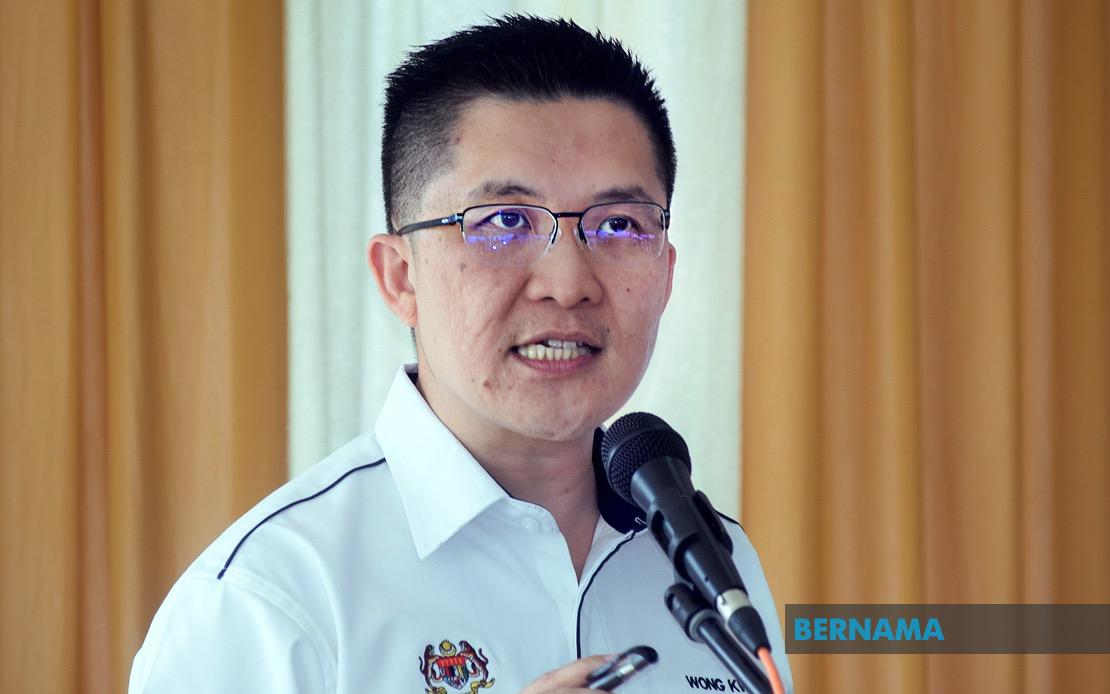
Malaysia maintains a network of 528 Tamil national-type schools (SJKT) serving 78,501 students across the country, according to Deputy Education Minister Wong Kah Woh during a parliamentary session last month. The figure, recorded as of May 31, represents the current scale of Tamil-medium education in Malaysia, where these institutions play a crucial role in preserving language and cultural heritage for the country's Indian community and other Tamil-speaking populations.
The ministry faces a notable trend in SPM examination registration for Tamil language, with candidate numbers declining gradually over recent years. Wong reported that 8,023 students sat the Sijil Pelajaran Malaysia Tamil examination in 2023, declining to 7,925 in 2024, further dropping to 7,693 in 2025, and falling to 7,494 candidates in the current year. This downward trajectory underscores emerging challenges in sustaining interest in formal Tamil language qualifications among Malaysian secondary students, despite the ministry's stated commitment to the subject.
Addressing concerns about access to Tamil language examinations, Wong clarified that students enrolled in schools without dedicated Tamil programmes remain eligible to sit SPM Tamil papers, provided they meet standard registration requirements. This policy provision expands opportunities for Tamil learners beyond the traditional SJKT pathway, ensuring that language learners in mainstream schools are not excluded from formal qualification routes. The assurance carries significance for families seeking to maintain Tamil language competency while attending schools in areas where dedicated Tamil institutions may be unavailable.
Johor state demonstrates substantial concentration of Tamil education infrastructure, housing 71 SJKT establishments with combined enrolment exceeding 12,900 pupils. Within Johor Bahru district alone, 15 schools operate, serving 7,840 students. Four institutions have achieved particularly high enrolment figures: SJKT Taman Tun Aminah leads with 1,529 pupils, followed by SJKT Ladang Rini with 1,055, SJKT Jalan Yahya Awal with 890, and SJKT Masai with 768 pupils. This concentration reflects historical settlement patterns and economic opportunities in the state, where Tamil-speaking communities form substantial populations in both urban and industrial areas.
The Education Ministry has channelled significant capital investment toward Tamil school infrastructure improvement. Two flagship projects underway in Johor Bahru represent this commitment: new buildings for SJKT Ladang Rini and SJKT Kulai Besar each received allocations of RM4.3 million, with projections that these facilities will accommodate an additional 200 to 300 pupils each. Such infrastructure expansion addresses both immediate overcrowding concerns and anticipated future demand in growing districts, though the declining SPM candidate figures suggest broader challenges in student retention and progression.
Conversely, the ministry confronts a parallel problem of under-utilised facilities. Two Johor Bahru schools—SJKT Ladang Sungai Plentong and SJKT Ladang Mados—operate with enrolments below 30 pupils, presenting administrative and financial inefficiency. These cases exemplify nationwide pressures affecting Tamil education, where demographic shifts, urbanisation, and changing educational preferences have created significant capacity mismatches. As of May 31, 135 under-enrolled SJKT institutions nationwide have implemented multi-grade classroom systems combining students across different standards, a pragmatic response to insufficient enrolment.
To rationalise the school network while preserving educational access, the ministry has approved relocation of 36 SJKT facilities to areas with stronger demand. School consolidation represents a delicate policy balancing maintaining cultural institutions against economic sustainability and pedagogical effectiveness. The relocation strategy aims to concentrate resources in districts where demographic realities support larger pupil populations, while the multi-grade class initiative preserves school presence in smaller communities. These interventions reflect recognition that blanket closure without alternative provisions would undermine Tamil language education in rural and dispersed areas.
Teacher staffing levels for Tamil education have improved to above-requirement levels at both primary and secondary stages. The ministry identified a requirement for 1,334 Tamil language teachers in SJKT institutions but achieved staffing of 1,733, representing 299 more educators than the minimum threshold. Secondary schools similarly exceed targets, with 584 positions required but 648 teachers deployed, indicating a surplus of 64 educators. This favourable staffing position contrasts with acute shortages affecting other language streams in Malaysia, suggesting the ministry has prioritised Tamil teacher recruitment to sustain curriculum delivery across the dispersed school network.
The Education Ministry emphasised its commitment to enhancing Tamil language education through comprehensive modernisation initiatives. The 2027 School Curriculum overhaul will incorporate Tamil-specific components, while the ministry targets improvements in teaching pedagogy and strengthening Tamil literature content. These curriculum enhancements respond to concerns that traditional approaches may not engage contemporary learners effectively, particularly as digital learning and globalised educational content reshape student expectations. Investing in literature strengthening acknowledges that language vibrancy depends on rich cultural resources and meaningful engagement with heritage literature.
Parliamentary discussion also addressed examination grading transparency, with Wong defending SPM evaluation methodologies against suggestions of quota-based or target-percentage systems. The ministry stressed that grades reflect systematic assessment of candidate performance against established curriculum standards and competency benchmarks, evaluated by panels comprising subject experts, curriculum specialists, and measurement professionals. Grade boundaries vary annually based on cohort performance characteristics and examination instrument properties, consistent with international examination standards, though Wong acknowledged this variation mechanism can appear opaque to public stakeholders unfamiliar with professional assessment frameworks.
The trajectory of Tamil education in Malaysia reflects broader demographic and social transitions affecting minority language education systems globally. While institutional infrastructure and teacher supply appear relatively secure, the consistent decline in SPM registrations suggests concerning patterns in intergenerational language transmission and educational aspiration. The ministry's infrastructure investments and curriculum modernisation initiatives address supply-side factors, yet demographic realities and family language choices ultimately determine whether these schools sustain relevance for coming generations. The policy challenge extends beyond merely maintaining existing institutions toward making Tamil education attractive and valuable within Malaysia's increasingly competitive educational marketplace.
For Malaysian policymakers and stakeholders, the current SJKT data underscores persistent tensions between cultural preservation and economic efficiency in education systems. The 78,501 pupils represent meaningful community investment in heritage education, yet the declining examination numbers and under-enrolled institutions suggest this commitment faces generational pressures. Sustaining Tamil education requires not only continued infrastructure and teacher investment but also renewed community engagement and curriculum innovation that demonstrates living relevance of Tamil language and literature within contemporary Malaysian society.

