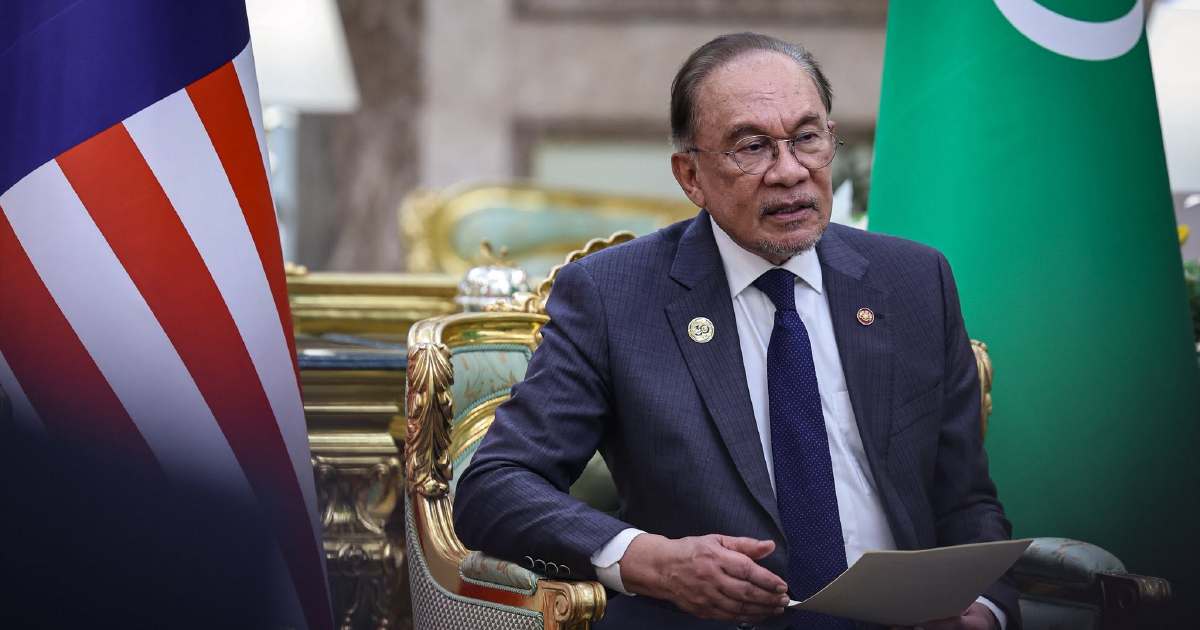
Prime Minister Anwar Ibrahim has publicly commended a landmark breakthrough achieved by Malaysia's national petroleum company Petronas in securing partnership rights to develop a gas field in Turkmenistan. The achievement represents a tangible extension of Petronas's upstream operations beyond Southeast Asia into the energy-rich Central Asian region, reinforcing Malaysia's positioning as a global energy player despite facing mounting headwinds in the global energy transition.
The Turkmenistan gas field deal signals Petronas's sustained appetite for high-impact projects that can generate substantial reserves and revenue streams over multi-decade timescales. For Malaysia, a nation heavily dependent on hydrocarbon exports and domestic energy production to fuel its economy, securing access to additional gas resources in geographically diversified locations represents a strategic hedge against depletion risks in ageing Southeast Asian fields. The Central Asian partnership also diversifies Petronas's counterparty and political risk exposure, moving beyond traditional operating jurisdictions in the region where regulatory environments and fiscal regimes have grown increasingly complex.
Turkmenistan possesses proven natural gas reserves among the world's largest, positioning it as a critical energy supplier to regional and international markets. The country has historically oriented its energy partnerships toward buyers in Asia and Europe, making Petronas's involvement indicative of the Malaysian company's competitive standing and technical capabilities in attracting world-class projects. The arrangement likely involved negotiations with Turkmenistan's state-controlled energy sector, where consolidated decision-making and long-term strategic partnerships remain the norm rather than the exception.
Anwar's public endorsement of the agreement underscores the Malaysian government's view that energy independence and revenue diversification remain central pillars of national economic strategy. While Malaysia has increasingly committed to renewable energy targets and net-zero pledges in line with global climate commitments, pragmatic policymakers recognise that hydrocarbon production will remain central to federal revenues and export earnings for years to come. Petronas generates substantial dividend payments to the federal government, funding critical infrastructure and social programmes across the nation.
The timing of the announcement carries diplomatic significance, reflecting Malaysia's broader engagement strategy in Central Asia and its efforts to strengthen bilateral relationships beyond traditional Southeast Asian circles. Energy partnerships often serve as cornerstone agreements in bilateral relations, opening pathways for enhanced trade, investment, and political cooperation. For Turkmenistan, partnering with a technically proficient international operator like Petronas provides access to world-class expertise, capital deployment, and downstream marketing channels—resources that accelerate field development and optimise production economics.
From a technical standpoint, Petronas's involvement in Central Asian gas development demonstrates the company's operational depth across diverse geological settings and regulatory environments. Central Asian fields often present distinct engineering and logistical challenges compared to Southeast Asian operations, requiring tailored approaches to subsurface characterisation, drilling programmes, and infrastructure deployment. Successfully managing such projects enhances Petronas's global reputation and positions the company competitively for future opportunities in comparable operating contexts.
The deal also reflects broader energy market dynamics reshaping Asia's energy landscape. Whilst Europe has aggressively pursued renewable energy and reduced dependency on fossil fuels, Asian economies—particularly those with developing industrial bases and growing electricity demand—continue to rely substantially on natural gas for baseload power generation and industrial feedstocks. Malaysia's sustained interest in acquiring additional gas reserves aligns with regional demand trends and the long-term viability of hydrocarbon-based energy portfolios throughout the Asian century.
For Malaysian stakeholders, the Turkmenistan partnership carries implications across multiple domains. Petronas shareholders benefit from reserve additions that support valuation metrics and long-term production profiles. The Malaysian government gains additional revenue streams from dividend distributions and potential tax inflows. Domestic energy security may benefit from expanded sources of supply, though most upstream production typically serves export markets generating foreign exchange earnings critical to Malaysia's balance of payments position.
Looking forward, such partnerships require sustained commitment through exploration, appraisal, development, and production phases spanning decades. Success depends on stable operating conditions, predictable regulatory frameworks, and maintaining effective working relationships with state counterparties. Petronas's track record executing complex international projects suggests the company possesses organisational capabilities to navigate the political and technical complexities inherent in Central Asian operations. The breakthrough in Turkmenistan thus positions Petronas favourably for competing on the global stage whilst enhancing Malaysia's strategic energy autonomy in an increasingly multipolar world.

