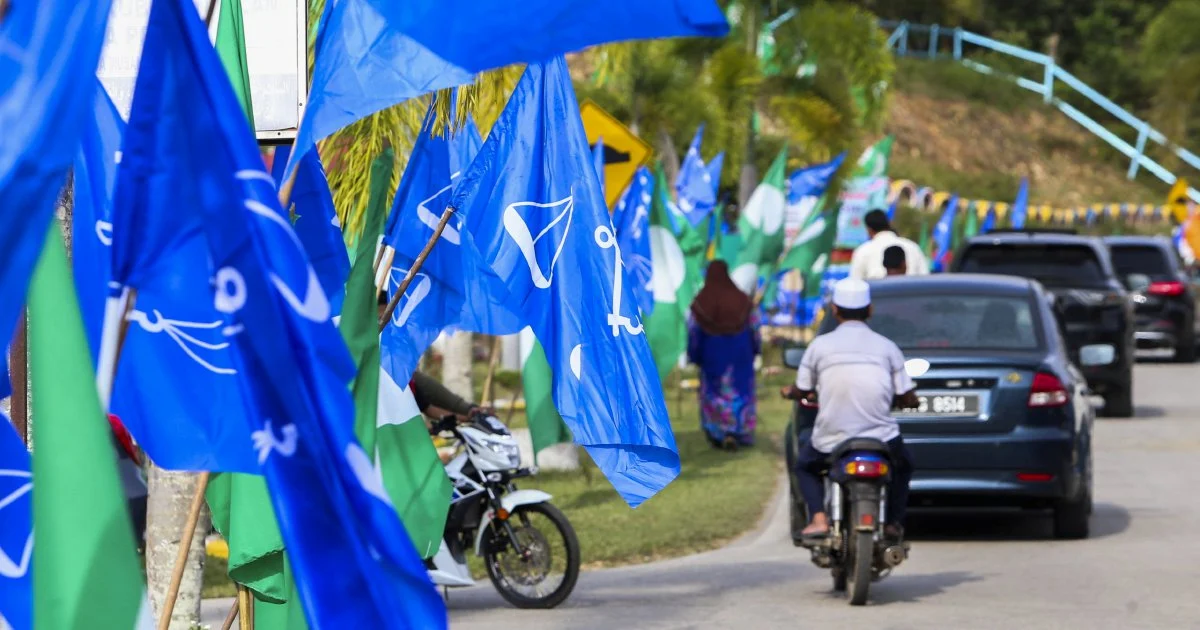
Political observers are bracing for the possibility of an early poll call, as Pas vice-president Datuk Mohd Amar Nik Abdullah recently signalled that Malaysia's 16th general election could materialise in the final quarter of 2024. Speaking in Kota Baru, he expressed confidence that voters would be heading to the ballot box sometime between late October and November, a timeline that would give the current administration a fresh mandate before the year concludes.
The indication from a senior figure within Pas, which commands substantial influence in Malay-Muslim politics and holds significant parliamentary seats, carries particular weight in Malaysian political circles. Such predictions from party leadership often reflect internal discussions and assessments of broader coalition dynamics, suggesting that behind-the-scenes groundwork for an election campaign may already be underway within government ranks. The timing Mohd Amar suggested would allow the ruling coalition to consolidate its position while capitalising on whatever political momentum it currently enjoys.
For Malaysian voters and businesses alike, the prospect of an election within the coming months introduces both uncertainty and opportunity. A late-year poll would compress the election season into a tight window, potentially meaning rapid campaign schedules, intensive media coverage, and heightened political activism across the country. Companies dependent on government contracts or regulatory decisions often experience decision-making paralysis during election periods, as officials defer major announcements pending the poll outcome.
The timing carries significance for regional observers as well. Malaysia's electoral calendar influences neighbourhood dynamics and ASEAN discussions, particularly around economic coordination and leadership positioning. An election before year-end would provide clear signals about the country's policy direction heading into 2025, when several Southeast Asian economies will be reassessing trade relationships and infrastructure partnerships.
Within Pas itself, the prediction reflects the party's central role in Malay-majority constituencies and its strategic importance to any governing coalition. The Islamic party controls significant electoral influence, particularly in rural and semi-rural areas across peninsular Malaysia. Its positioning on election timing underscores how closely major political parties monitor readiness indicators—candidate selection, grassroots organisation, funding availability, and public sentiment—before advising the prime minister on an optimal polling date.
Historically, Malaysian general elections have been called with surprising timing, sometimes catching observers off guard despite accumulated speculation. The 15th general election in November 2022 came after months of political turbulence and coalition reshuffling, eventually producing the Unity Government that currently holds office. That experience demonstrated how fluid Malaysian politics can be, and why veteran analysts treat election predictions with appropriate caution, even when they emanate from senior party figures.
The October-November window Mohd Amar identified would fall during Malaysia's transitional season between monsoon patterns, avoiding the worst of weather-related disruptions to campaign activities. It would also position polling day before year-end festivities, when voter turnout typically declines. Election planners within the Election Commission likely monitor such seasonal factors carefully when advising the Prime Minister's office.
Regional governments watching Malaysian developments will note that an election campaign starting soon could intensify competition for media attention and diplomatic engagement across Southeast Asia. Singapore, Indonesia, Thailand, and other neighbours maintain active interests in Malaysian political stability and policy continuity, particularly on matters affecting trade flows and cross-border arrangements.
For the opposition, any confirmation of an October-November election would trigger intensive preparation periods. Both Pakatan Harapan and other opposition coalitions would need to finalise candidate selections, secure campaign financing, and develop policy platforms capable of resonating with urban and rural voters across Malaysia's thirteen states. The compressed timeline would advantage well-organised, well-funded parties possessing strong ground networks.
Civil society observers have previously highlighted the importance of election administration transparency and equal media access during Malaysian campaigns. An upcoming poll would inevitably reignite discussions about campaign finance disclosure, independent election monitoring, and electoral boundaries—topics that have remained contentious across previous election cycles.
The path from present speculation to actual polling day remains subject to numerous variables. Prime ministerial discretion ultimately determines election timing, and unexpected political developments—parliamentary scandals, economic shocks, or coalition tensions—could accelerate or delay any announcement. Nevertheless, Mohd Amar's comments suggest that senior political figures are already mentally preparing their organisations for the machinery of a national campaign.
Malaysian business chambers and investor groups likely note the timeframe with particular interest, as campaign periods often generate policy uncertainty. Financial markets sometimes show volatility during extended pre-election periods, and companies operating under government concessions or licences typically prefer clarity over prolonged speculation about potential policy shifts under a renewed or reshaped administration.