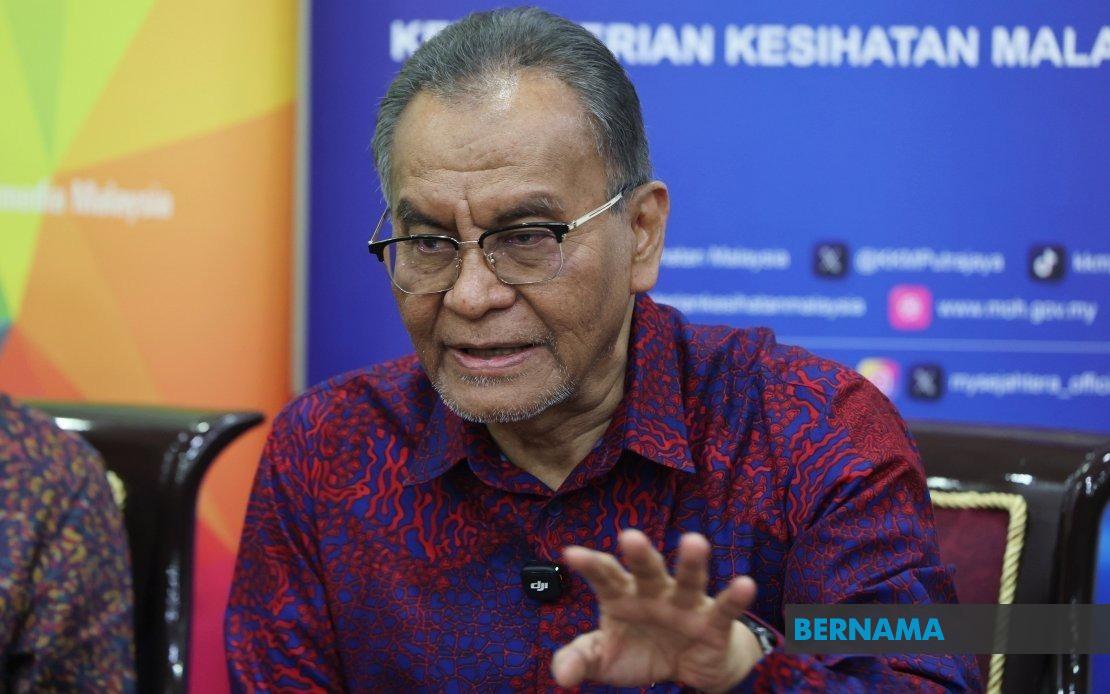
The Ministry of Health has moved to reassure the public that pharmaceutical supplies across Malaysia are adequate despite an ongoing system of intensive surveillance on selected medications. Health Minister Datuk Seri Dr Dzulkefly Ahmad disclosed this assessment following routine monitoring of the nation's drug inventory, underlining the government's commitment to maintaining continuous access to essential treatments for patients across both public and private healthcare sectors.
Under the ministry's comprehensive tracking system, authorities monitor 702 distinct medicine types encompassing 3,739 registered pharmaceutical products. This surveillance mechanism relies on monthly reporting from pharmaceutical registration holders, enabling the MOH to maintain real-time visibility across the entire supply chain. The scale of this monitoring effort reflects the complexity of managing medicines in a country with Malaysia's population size and healthcare infrastructure needs, particularly as demand patterns fluctuate seasonally and supply disruptions can ripple across the region.
The most recent assessment, conducted as of May 8, 2026, reveals a favourably distributed inventory across risk categories. More than 505 medicine types, representing approximately 72 per cent of the monitored stock, maintain supplies exceeding 90 days and carry minimal risk of disruption. These well-stocked items represent the backbone of Malaysia's pharmaceutical security, providing a substantial buffer against minor supply fluctuations or unexpected demand surges.
However, a secondary tier of medicines warrant elevated attention from ministry planners. Some 79 medicine types, accounting for 11.3 per cent of monitored stock, fall into a moderate-risk classification with supplies lasting between 60 and 90 days. These products require closer observation and more frequent communication with suppliers to ensure supplies do not dip below safety thresholds. While not immediately critical, this category demands proactive management to prevent escalation into supply shortages.
The most pressing concern surrounds 118 medicine types, representing 16.8 per cent of monitored stock, where supplies have fallen below 60 days and consequently attract high-risk designation. This group encompasses antibiotics essential for combating infections, cancer therapeutics required for oncology treatments, vaccines necessary for disease prevention, antidotes for poisoning emergencies, psychiatric medications serving mental health patients, and cardiovascular drugs preventing heart disease and stroke. The diversity of therapeutic areas within this category underscores how pharmaceutical supply constraints can simultaneously impact multiple clinical domains across the healthcare system.
Within this high-risk segment, the ministry has identified 14 medicines of critical importance requiring immediate intervention and heightened oversight. These 14 items face particular supply vulnerability either because a single pharmaceutical registration holder controls their production and distribution, or because incoming shipments experience delays exceeding one month. The concentration of supply responsibility among single suppliers represents a structural vulnerability in Malaysia's pharmaceutical ecosystem, as any disruption at that single source immediately compromises patient access. Fluorouracil, a foundational cancer treatment drug, Methylene Blue used in diagnostic procedures, Linezolid functioning as an antibiotic for resistant infections, and Coal Tar Solution prescribed for psoriasis management exemplify the clinical importance of these constrained supplies.
Despite these supply pressures at the registration holder level, Dr Dzulkefly provided reassurance that practical stock levels at the point of patient care remain substantially stronger. Cross-checks conducted between the MOH and concession companies operating public healthcare facilities revealed that 13 of the 14 critical medicines maintain inventories exceeding 90 days within the healthcare system itself. This discrepancy between supply-chain vulnerability and end-user sufficiency suggests the MOH and its healthcare partners maintain strategic reserves buffering against supplier-level disruptions. The exception among the 14 critical items, Carbinoxamine Maleate combined with Pseudoephedrine Hydrochloride, does not appear in the MOH Drug Formulary, suggesting it may not form part of standard treatment protocols within public facilities.
The ministry has charted a forward-looking approach to managing these supply vulnerabilities. Replenishment shipments for the identified critical medicines are scheduled to arrive progressively between June and September, potentially relieving pressure on stocks of several high-risk items before year-end. This staggered arrival schedule requires careful coordination with suppliers and timing considerations to ensure seamless transitions as new inventory becomes available.
Beyond reactive inventory management, the MOH pursues a collaborative strategy engaging the broader pharmaceutical ecosystem. The ministry maintains close working relationships with industry players, wholesale suppliers, and healthcare facility operators to identify emerging supply disruptions early, before they escalate into patient-facing shortages. This relationship-based approach supplements the formal monthly reporting system, creating multiple channels through which warning signals about supply constraints can surface and trigger coordinated responses.
Prime Minister's economic adviser Nurhisham Hussein amplified the government's optimistic assessment during recent public commentary, noting that over 70 per cent of public healthcare medicine supplies currently maintain stock levels exceeding three months. He additionally emphasized that most critical medications benefit from alternative treatment options within established clinical protocols, meaning patients needing particular drugs can often access therapeutically equivalent alternatives if supply challenges emerge.
For Malaysian patients and healthcare providers, these disclosures suggest that while supply chains require ongoing management attention, the infrastructure exists to prevent widespread medication shortages affecting clinical care. The identification of specific vulnerable medicines enables targeted interventions rather than system-wide restrictions. Regional observers noting Malaysia's pharmaceutical supply management may find the approach relevant to their own healthcare planning, particularly the emphasis on monthly monitoring, risk stratification, and collaborative engagement with industry partners.