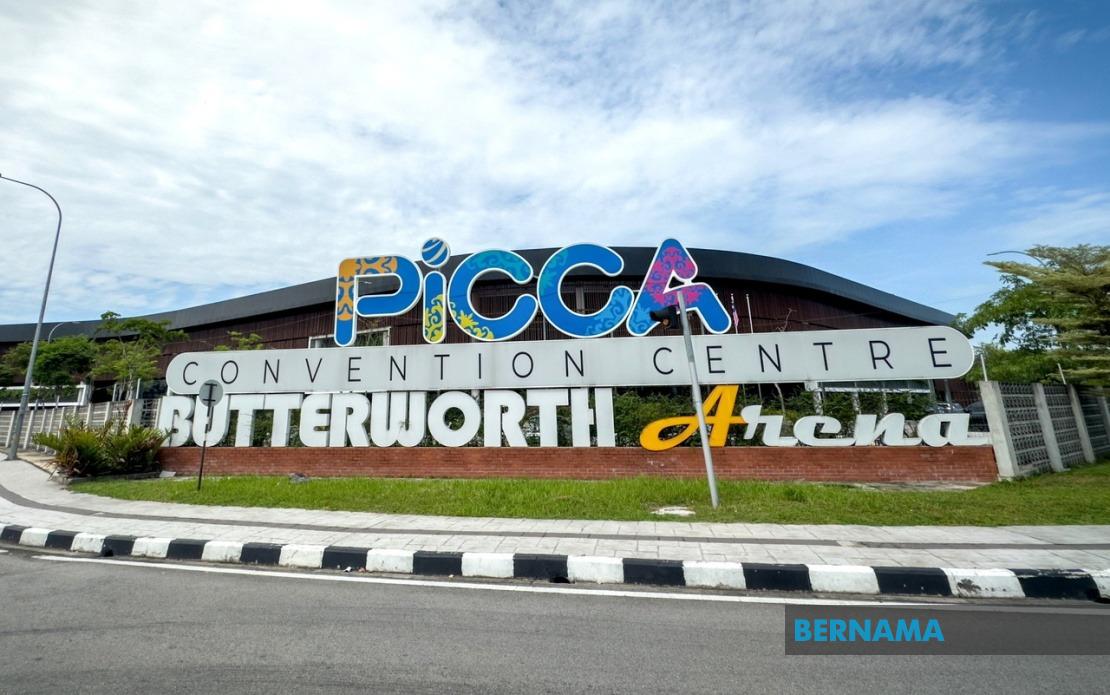
Malaysia's journalism fraternity converges on Butterworth today for the culmination of the National Journalists' Day (HAWANA) 2026 celebrations, an occasion that underscores the profession's ongoing commitment to ethical reporting and public service. The grand finale at PICCA@Arena Butterworth Convention Centre is expected to draw approximately 1,000 journalists and media professionals from Malaysia and abroad, reflecting the significance accorded to an industry cornerstone in Southeast Asia's media landscape.
Prime Minister Datuk Seri Anwar Ibrahim will officiate the sixth edition of HAWANA at 3 pm, lending governmental endorsement to an event centred on the theme "Media Integrity Strengthens Credibility." This thematic focus arrives at a critical juncture for journalism across the region, where trust in news institutions faces mounting pressure from misinformation, political interference, and economic headwinds. By elevating integrity to the heart of the celebration, Malaysian authorities acknowledge the profession's foundational role in sustaining democratic discourse and informed citizenry.
The occasion brings together a cross-section of Malaysia's political and media establishment. Penang Chief Minister Chow Kon Yeow, Communications Minister Datuk Fahmi Fadzil, and senior officials from the Ministry of Communications will join the Prime Minister. Bernama, the state news agency, plays a central coordinating role through its Chairman Datuk Seri Wong Chun Wai and Chief Executive Officer Datin Paduka Nur-ul Afida Kamaludin. This level of governmental participation reflects a broader push to reinvigorate public confidence in institutional media at a time when digital platforms have fractured audience attention and alternative sources of information proliferate.
International representation adds regional and global dimension to the proceedings. Delegations from Indonesia's Antara News Agency, Vietnam News Agency, Xinhua News Agency, along with representatives from the Indonesian Journalists Association and the Malaysia-Indonesia Journalists Friendship Association, signal a commitment to cross-border professional collaboration. Such partnerships are increasingly vital in Southeast Asia, where journalists operate across porous borders, face common regulatory pressures, and grapple with shared challenges in covering transnational issues from climate change to migration.
The Prime Minister will present the HAWANA Award and Special HAWANA Award to individuals judged to have made remarkable contributions to journalism and shaped public understanding. Additionally, Tabung Kasih@HAWANA contributions will be disbursed to media veterans facing financial hardship, addressing the profession's persistent concern over inadequate remuneration and lack of social safety nets. This dual recognition—celebrating excellence while supporting those in need—encapsulates a holistic view of journalistic community responsibility.
Beyond formal ceremonies, the celebrations have extended into a three-day carnival at the convention centre's parking area. The RIUH Pi HAWANA Carnival features performances by established local artists including Exists, Bunkface, Masdo, Sakura Band, Budak Nakal Hujung Simpang, and Chelsea Ng, drawing crowds with entertainment that appeals to younger demographics often alienated from traditional media. The carnival's programming reflects recognition that journalism's future depends partly on engaging audiences outside conventional news consumption patterns.
The carnival marketplace brings together more than 24 local creative product brands alongside 20 food and beverage vendors, while hosting interactive workshops designed to educate visitors about media production and literacy. This commercial and educational integration demonstrates how industry celebrations can double as platforms for brand-building and public engagement. For Malaysia's creative economy, such events provide visibility to independent producers and small enterprises while generating goodwill for the journalism sector.
Leading to today's finale, HAWANA 2026 has unfolded through several preparatory events. The HAWANA 2026 Media Forum on May 7 convened industry practitioners to discuss pressing challenges. The Strategic Partners Engagement Event on June 4 brought together stakeholders from government, business, and civil society. A Fun Walk on June 14 mobilised public participation, collectively generating momentum and broadening the celebration's reach beyond professional circles. This sequential approach allows for deeper exploration of thematic issues whilst building anticipation for the culminating event.
HAWANA itself commemorates the publication of Utusan Melayu on May 29, 1939, anchoring Malaysia's journalism celebration to a historical foundation predating independence by eight years. By tethering contemporary professional recognition to this founding moment, Malaysia positions journalism as integral to national identity and sovereignty. The annual observance on May 29 honours both the profession's historical contributions to anti-colonial discourse and its ongoing responsibilities in the post-colonial era.
Organised by the Ministry of Communications with Bernama as implementing agency, HAWANA serves as Malaysia's primary platform for recognising journalistic dedication and professionalism. The framework explicitly endorses accurate, verified, and authoritative information as journalism's cardinal responsibility—a positioning that carries implicit critique of misinformation and partisan media operating outside professional norms. In Southeast Asia's media environment, where state influence over journalism remains pronounced and independent outlets face legal and economic pressure, such declarations of professional standards hold symbolic weight even where enforcement mechanisms remain limited.
The gathering in Penang carries significance for Malaysia's regional standing as a media hub. Penang's position as a major urban centre with established international connectivity makes it an appropriate venue for showcasing journalism as a progressive, inclusive profession. The presence of foreign delegations and international news agencies positions Malaysian journalism within transnational professional networks rather than as an isolated national practice. This outward-facing approach counters perceptions of insularity whilst affirming standards that transcend borders.
For Malaysian journalists facing mounting economic pressure from advertising revenue migration to digital platforms, government recognition and professional networking opportunities offer tangible, if limited, support. The HAWANA Award carries prestige that enhances journalists' professional standing, while Tabung Kasih@HAWANA addresses real hardship in a profession where salary stagnation has driven talented individuals toward other fields. These complementary initiatives acknowledge journalism's dual crisis: the need to attract and retain quality practitioners while maintaining professional standards amid commercial squeeze.

