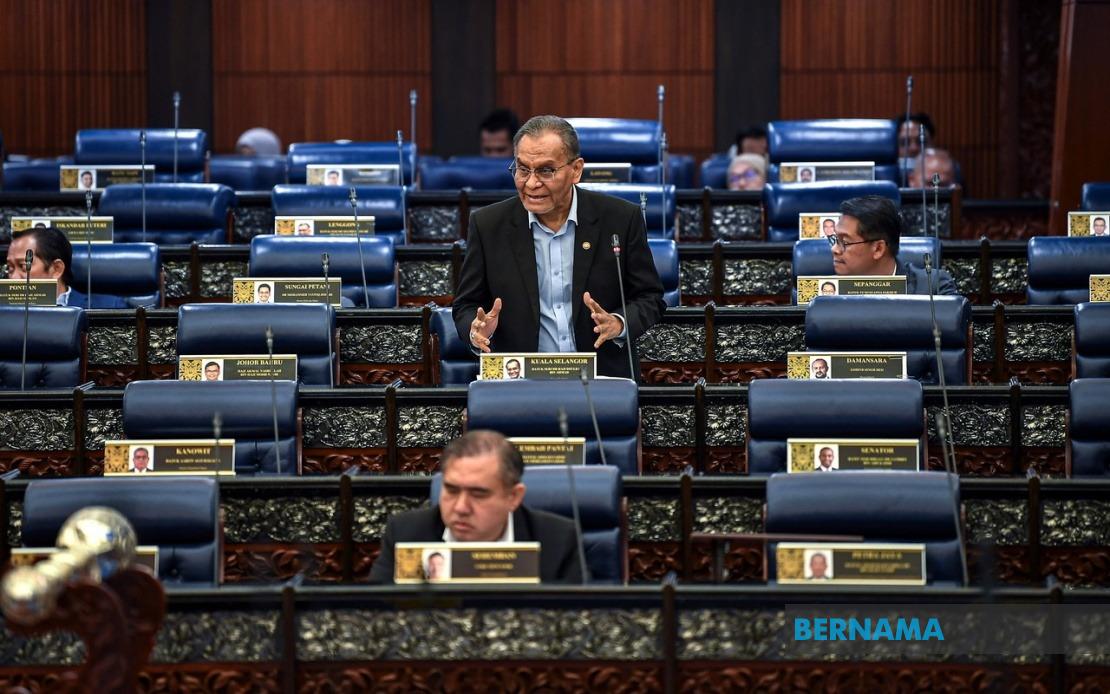
The Ministry of Health is moving to reinvigorate the struggling private general practitioner sector through a combination of financial support and structured government partnerships, Health Minister Datuk Seri Dr Dzulkefly Ahmad announced in Parliament this week. The intervention signals growing official recognition that the country's private clinic network—historically underfunded and overlooked—forms an integral pillar of Malaysia's fragmented healthcare architecture and cannot be allowed to deteriorate further without cascading consequences for public hospitals already straining under massive patient loads.
Dzulkefly acknowledged the acute pressures facing private medical practitioners during parliamentary questioning from Dr Halimah Ali, whose constituency of Kapar has witnessed firsthand the toll on family medicine. The minister drew on his own direct experience managing clinic closures during the COVID-19 pandemic, when many smaller private practices shuttered permanently as patient volumes plummeted and operational costs mounted without corresponding government support. His candid remarks represent a notable departure from the historical policy neglect that has left Malaysia's private primary care segment chronically vulnerable to market fluctuations.
Central to the government's stabilisation package is a significant upward adjustment to consultation fee floors for private practitioners. The Ministry has raised the minimum fee from RM10 to RM80 under existing regulatory frameworks—an eightfold increase that, while modest by developed-nation standards, aims to improve clinic economics and allow practitioners to sustain operations without compromising service quality through cost-cutting measures. This adjustment carries symbolic weight beyond its immediate financial impact, signalling official acknowledgment that decades-old fee caps no longer reflect service delivery costs or professional standards.
The backdrop to these announcements is sobering. Malaysia has lost 2,034 private medical clinics since 2013, a decline that accelerated during and after the pandemic. This contraction directly correlates with declining apprenticeship intake among house officers in the private sector, as new doctors increasingly opt for government positions offering superior remuneration, career progression, and pension benefits. The structural exodus of talent threatens to hollow out the private clinic network at precisely the moment when public healthcare infrastructure faces unprecedented demand from an ageing, increasingly diseased population.
Dzulkefly framed Malaysia's primary healthcare ecosystem as comprising two complementary components: the Ministry's 2,916 government health clinics and the private sector's 10,208 GP practices. Collectively, these facilities constitute the foundational layer of the healthcare system, serving as the crucial gatekeeping mechanism that channels patients appropriately through the system while filtering out conditions amenable to primary care management. The viability of this network depends on balanced distribution of workload and patient patronage across public and private providers—a balance that has eroded as private clinics have closed and government clinics have absorbed increasing caseloads.
The proposed solution emphasises structured collaboration rather than market competition. Dzulkefly outlined plans to integrate private practitioners into the Ministry's non-communicable disease management initiatives, embedding private clinics within a broader public-private care continuum for chronic conditions including diabetes, hypertension, and respiratory disease. This approach mirrors international models adopted by the United Kingdom and Taiwan, where primary care practitioners in both sectors function as coordinated frontline responders to prevalent chronic diseases, thereby reducing hospital emergency department crowding and inpatient admissions.
The integration strategy carries particular significance for Malaysia's public hospital system, which faces mounting congestion from patients presenting with advanced-stage NCDs that could have been managed earlier in primary care settings. Malaysian public hospitals already operate at capacity in most states, with emergency departments saturated and specialist outpatient clinics booked months in advance. By channelling NCD patients into stable, accessible private clinic management under coordinated protocols, the Ministry could theoretically reduce unnecessary hospital referrals while improving continuity of care for patients juggling multiple chronic conditions.
The 13th Malaysia Plan incorporates these collaboration frameworks, suggesting the government views private clinic sustainability as a strategic healthcare infrastructure priority over the medium term. However, the extent to which fee adjustments and collaborative protocols alone will reverse clinic closures remains unclear. International evidence suggests that sole proprietors operating small clinics require not only improved fee structures but also administrative support, bulk purchasing power, and protected patient flows to achieve financial viability in increasingly competitive healthcare markets.
For Malaysian readers and practitioners, these announcements represent the opening of a policy conversation long overdue. The private sector has historically operated in policy shadows, mentioned only in crisis contexts or regulatory enforcement discussions. Official acknowledgment of private clinics as systemic infrastructure rather than peripheral commercial operations suggests a potential shift toward more coherent healthcare governance integrating both sectors. Whether this rhetorical reframing translates into sustained funding, regulatory flexibility, and genuine partnership—or remains confined to parliamentary speeches and five-year plans—will determine whether Malaysia's private primary care foundation can be stabilised or continues its gradual erosion.

