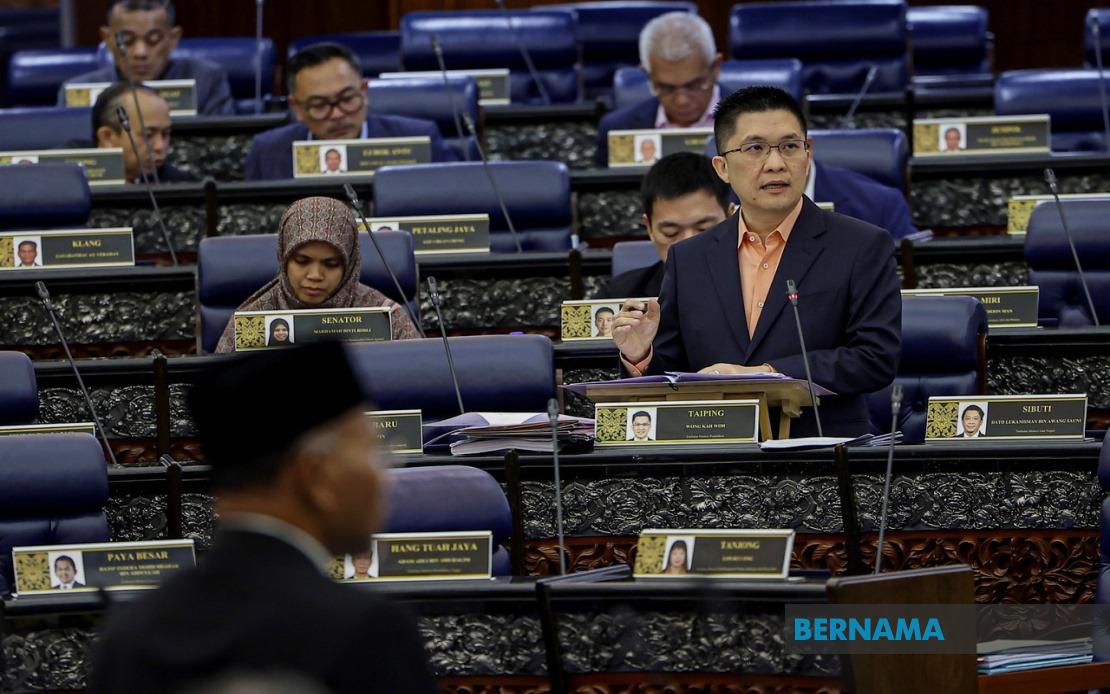
The Ministry of Education is undertaking a substantial infrastructure and human resources overhaul to accommodate a significant shift in the primary school entry system. Beginning in 2027, Malaysian schools will simultaneously intake both six-year-old and seven-year-old children into Year One—a major departure from the current practice that accepts only seven-year-olds. Deputy Education Minister Wong Kah Woh revealed the scale of this transition during parliamentary proceedings in Kuala Lumpur on June 24, indicating that the ministry has already begun mobilising resources to handle the resulting demand surge.
The registration figures underscore the magnitude of the challenge ahead. Current data shows 73,386 applications from six-year-old children alongside 405,033 from seven-year-olds, totalling 478,419 pupils—representing a substantial 12.07 per cent increase compared to Year One enrolments in 2026. This proportional jump reflects not only demographic patterns but also growing parental awareness and interest in formal primary education earlier in children's development. The projected numbers have compelled the education ministry to accelerate its facilities expansion significantly beyond previous annual construction rates.
Addressing the infrastructure gap, the MOE is deploying modern construction methodologies to expedite classroom availability. Across 838 schools nationwide, the ministry is constructing 2,596 new classrooms utilising the Industrialised Building System (IBS) modular approach, which permits faster assembly and earlier commissioning than traditional methods. Completion of these projects is targeted for the end of the current year, ensuring facilities are operational well before students arrive in 2027. This construction strategy represents a critical investment in Malaysia's educational capacity and reflects the government's commitment to accommodating the policy shift without compromising classroom conditions or teacher-pupil ratios.
The teaching workforce expansion parallels the physical infrastructure drive. The ministry intends to recruit 3,150 contract of service (COS) teachers specifically to manage the dual-cohort intake. Beyond contractual appointments, the MOE plans to activate reserve candidates from the Education Service Commission (SPP) to fill additional vacancies and maintain operational flexibility across states. This multi-pronged staffing approach acknowledges that teacher shortages vary geographically, with some states facing greater deficits than others. Consequently, the ministry maintains five-year teacher projections at both national and state levels, permitting more targeted recruitment and placement strategies.
Training and pedagogical preparation form a crucial dimension of this transition. Recognising that six-year-old children possess different developmental maturity compared to traditional Year One pupils, the MOE is strengthening professional training programmes to equip teachers with age-appropriate instructional methods. The 2027 school curriculum itself is being redesigned to align with younger pupils' developmental stages and learning requirements, rather than simply lowering existing standards. A dedicated transition programme will scaffold pupils' adjustment to formal primary education, particularly for children shifting from diverse early childhood backgrounds ranging from private kindergartens to informal pre-school settings.
Pre-school provision is expanding dramatically to support this structural change. The ministry increased pre-school classes by 350 this year—a substantial jump from the typical annual addition of approximately 150 classes. This acceleration addresses both immediate demand and equity considerations, specifically targeting B40 households unable to afford private kindergarten fees. By expanding accessible pre-school infrastructure, the MOE aims to ensure that children from lower-income families enter Year One with comparable foundational skills and social readiness as their more privileged peers, thereby reducing educational disparities at the point of primary school entry.
Parental choice mechanisms have been embedded into the transition framework. Rather than imposing rigid age cutoffs, the education ministry permits parents to determine whether their six-year-old child possesses sufficient maturity and readiness to enter Year One or whether deferral to the seven-year-old cohort remains preferable. This flexibility acknowledges that chronological age does not uniformly predict developmental preparedness, and respects parental knowledge of their child's individual circumstances. Such autonomy may prove particularly valuable for children with developmental variations or those requiring additional transition support.
The dual-cohort system's introduction creates uncertainties for the private kindergarten sector, which currently absorbs six-year-olds before formal school entry. Deputy Minister Wong acknowledged that the MOE is examining sustainability implications for private institutions facing the loss of one age cohort, with ongoing stakeholder engagement sessions addressing industry concerns. This consideration reflects awareness that Malaysian education encompasses both public and private providers, and policy shifts inevitably affect multiple sectors. The ministry's willingness to consult demonstrates recognition that abrupt transitions without compensatory support could destabilise established education businesses.
Regionally, this educational restructuring carries broader significance for Southeast Asia. Malaysia's approach to curriculum timing and developmental alignment differs from various neighbouring systems, and the 2027 changes reflect an evolving philosophy about childhood development and primary school entry. The decision to lower entry age and simultaneously redesign pedagogy suggests a policy conviction that formalised learning can benefit younger cohorts when properly calibrated. Other regional governments grappling with similar questions about optimal primary entry ages may observe how Malaysia's implementation unfolds, potentially informing their own educational policy considerations.
The parliamentary discussion also highlighted potential challenges in teacher deployment variance across states. When asked specifically about regional teacher shortage projections, Deputy Minister Wong emphasised that the ministry's multi-year forecasting models account for geographical disparities. Some states may face greater difficulty attracting and retaining qualified educators, particularly rural areas competing with urban centres. The SPP reserve candidate strategy and COS recruitment pathway appear designed partly to address these geographical inequities, though actual distribution effectiveness will require careful monitoring through implementation.
Looking forward, the success of Malaysia's 2027 transition hinges on coordinated execution across multiple fronts. Classroom construction must proceed on schedule, recruitment and training must deliver sufficient qualified educators, curriculum materials must reach schools promptly, and teachers must receive adequate professional development. Each component requires sustained funding and administrative attention. The 12 per cent enrolment increase compounds pressure at every level—from architectural planning to textbook procurement to teacher workload management. The MOE's articulation of these preparatory measures suggests systematic thinking, but real-world implementation will test whether resource allocation matches rhetorical ambition.

