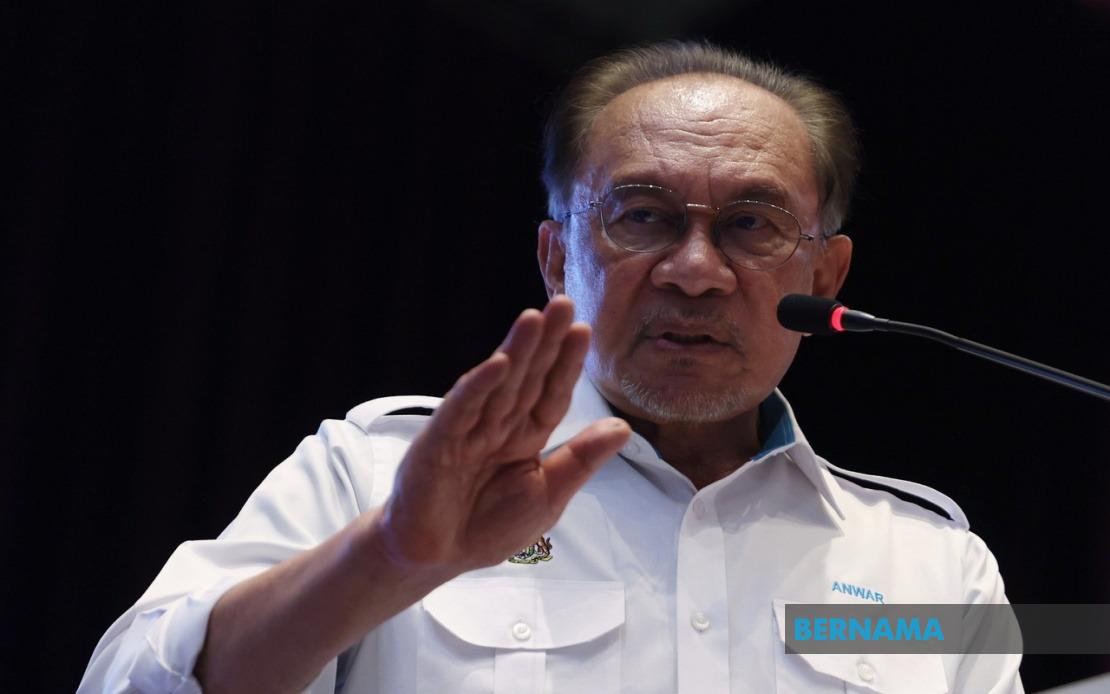
Prime Minister Datuk Seri Anwar Ibrahim has credited Malaysia's substantially improved standing in global competitiveness rankings to the collective efforts of the country's civil service, speaking during a gathering with southern zone government officials in Melaka on June 24. The recognition comes as Malaysia achieved a significant leap in the IMD World Competitiveness Index 2026, climbing eight places to rank 15th globally compared to 23rd position in the previous year's assessment. This advancement reflects growing momentum in the nation's economic and governance frameworks, positioning Malaysia alongside several developed and upper-middle-income economies in this closely watched annual evaluation of national competitiveness.
Anwar made his remarks while attending a meet-and-greet event at the Centre of Excellence for Engineering and Technology in Simpang Ampat, where he deliberately steered focus away from individual leadership contributions. Instead, he emphasised that the three-and-a-half years of cumulative progress represents a systemic achievement rooted in the institutional strength and professional dedication of civil servants nationwide. This rhetorical choice underscores an administrative philosophy that prioritises structural efficiency and team-based execution over personalised credit, a notable messaging approach for any sitting premier addressing government officials.
The Prime Minister's comments gained additional significance when he referenced remarks made by visiting Turkmenistan President Serdar Berdimuhamedov, who had specifically acknowledged Malaysia's improved performance during his recent state visit. Rather than accepting such international recognition as a personal accolade, Anwar used the moment to reinforce institutional pride within the civil service ranks. He stated that while he appreciated the Turkmenistan president's observation, the achievement fundamentally belonged to the professionalism and systematic improvements championed by government workers across all levels and agencies.
Further illustrating the international reception of Malaysia's competitiveness gains, Anwar disclosed that President Serdar had expressed interest in facilitating an exchange programme whereby Turkmenistan's civil service delegation could visit Malaysia to study and learn from local governance practices and administrative systems. This proposed engagement exemplifies how improving competitiveness rankings can translate into diplomatic soft power and positioning as a model for institutional development within the region and beyond. Such knowledge-sharing initiatives enhance Malaysia's reputation as a jurisdiction capable of delivering efficient public administration, creating potential avenues for trade partnerships and investment relations.
The IMD World Competitiveness Index represents a comprehensive assessment spanning multiple dimensions including economic performance, government efficiency, business dynamism, infrastructure quality, and human capital metrics. Malaysia's substantial jump in rankings suggests measurable improvements across several of these pillars, though the index typically reflects data from the preceding years. Understanding which specific components drove the advancement would require deeper analysis of the index's detailed scorecards, but the overall trajectory indicates positive momentum in perceptions regarding Malaysia's macroeconomic management, regulatory environment, and institutional capacity.
For Malaysian stakeholders and observers, this ranking improvement carries tangible implications for foreign direct investment flows, business sentiment, and the country's competitive positioning relative to regional peers including Singapore, Thailand, and Indonesia. A higher competitiveness ranking enhances Malaysia's appeal to multinational corporations seeking Southeast Asian operational bases and signals to international investors that the regulatory and business environment continues to strengthen. The emphasis on civil service quality as the foundation for this achievement also reflects growing global recognition that institutional excellence and bureaucratic efficiency constitute competitive advantages that transcend sectoral or technological considerations.
The event's attendees included significant government figures such as Melaka Chief Minister Datuk Seri Ab Rauf Yusoh, Chief Secretary to the Government Tan Sri Shamsul Azri Abu Bakar, and senior officials from various federal ministries and departments. This high-level participation underscores the government's commitment to acknowledging civil service contributions and fostering dialogue between senior leadership and frontline government workers. Such engagements can facilitate upward communication of implementation challenges and ground-level insights that inform policy refinement.
Anwar's framing of success as a collective, institutional achievement rather than dependent on individual leadership reflects a broader governance narrative emphasising meritocratic advancement and systemic accountability within Malaysia's administrative apparatus. This positioning may resonate particularly with civil service personnel who have weathered periods of organisational restructuring, policy changes, and performance expectations. By publicly attributing national achievements to their professional conduct and dedication, senior leadership reinforces motivation and professional identity within government ranks.
The competitiveness index improvements also arrive amid broader regional economic shifts and competitive pressures from neighbouring economies. As Southeast Asian nations vie for investment and talent, Malaysia's advancement in the IMD rankings positions the country favourably in regional narratives around governance quality and economic dynamism. However, maintaining and extending this momentum will require sustained attention to the specific factors that contributed to the ranking improvement, whether these involve tax competitiveness, infrastructure investment, regulatory transparency, or human capital development initiatives.
Moving forward, the exchange programme concept proposed by the Turkmenistan president could formalise into broader regional cooperation frameworks where Southeast Asian nations learn from each other's administrative innovations and efficiency improvements. Malaysia's willingness to share civil service expertise and practices may establish the country as a thought leader in regional governance matters, creating additional diplomatic leverage and positioning opportunities within forums such as ASEAN and other multilateral engagement channels.

