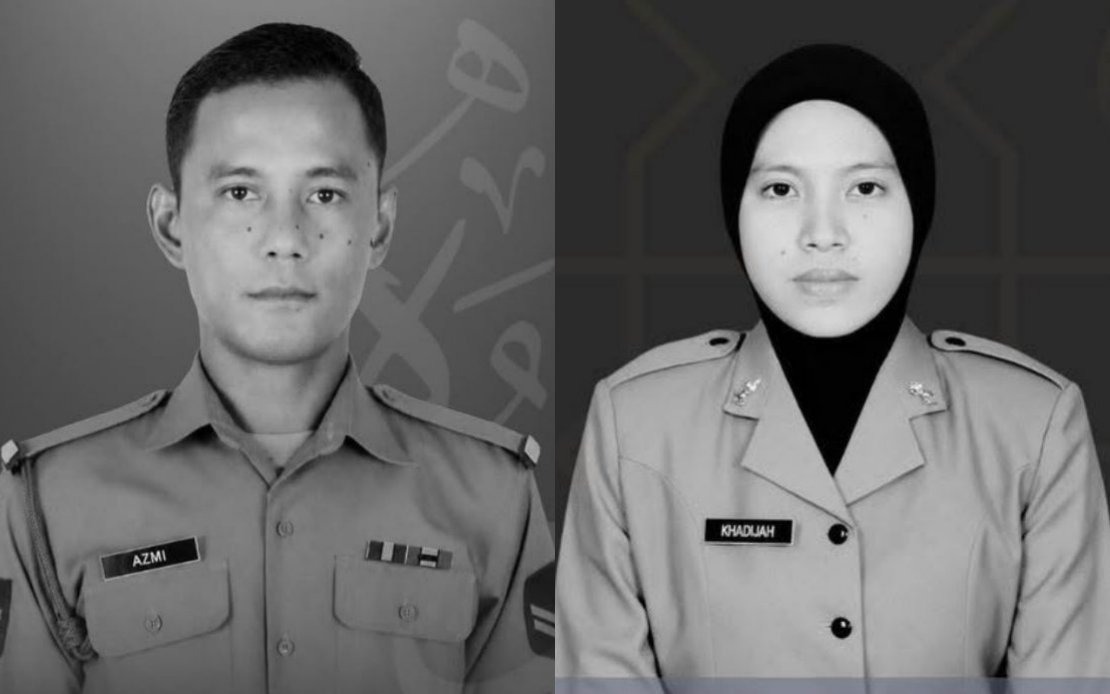
The Malaysian Army has publicly identified the two service members who died in an explosion at the Hobart Camp shooting range in Gurun, Kedah, during a grenade-throwing training exercise on June 16. The deceased were Corporal Norazmi Abu Bakar, attached to the 6th Battalion of the Royal Malay Regiment, and Private Siti Khadijah Sungip from the 1st Squadron of the Royal Army Engineers Regiment. Both personnel sustained critical injuries in the incident, which occurred at 10.57 am, and were pronounced dead en route to Sultan Abdul Halim Hospital in Sungai Petani.
The accident took place as the two were participating in the RAJD Combat Enhancement Training program, a curriculum designed to strengthen operational capabilities among military personnel. This training falls under the aegis of the 2nd Infantry Division of the Malaysian Army. The circumstances surrounding how a training exercise intended to build competence ended in tragedy have prompted immediate action at the highest levels of the military establishment. Following standard protocol, the remains of both personnel have been transferred to Sultanah Bahiyah Hospital in Alor Setar, where post-mortem examinations will determine the precise cause of death.
General Tan Sri Azhan Md Othman, who serves as the Army Chief, has issued a directive for a comprehensive and urgent investigation to establish the exact factors that contributed to the fatal explosion. His intervention signals the seriousness with which the military leadership is treating the incident. Beyond the formal investigative process, the General expressed profound sorrow at the loss of life and extended heartfelt condolences to the families of the deceased personnel, acknowledging the grief and upheaval such an unexpected tragedy brings to those closest to them.
Training-related fatalities within the military are rare but significant events that invariably trigger institutional soul-searching. In the Malaysian context, where military training standards are generally regarded as professional and rigorous, such incidents raise important questions about the inherent risks of handling explosive devices, even under controlled conditions with trained personnel. Grenade training, by its nature, involves exposure to live explosives and carries inherent danger that must be carefully managed through strict adherence to safety protocols, appropriate spacing, and proper command structures.
The involvement of both the Royal Malay Regiment and the Royal Army Engineers Regiment underscores the multi-unit composition of the training exercise. Combat Enhancement Training typically aims to refresh and upgrade skills among experienced military personnel, ensuring they remain prepared for operational demands. The fact that fatalities occurred during such a routine training activity suggests that even standard, well-established procedures can encounter unforeseen circumstances that compromise safety.
The Malaysian Army has committed to a thorough review of all training safety measures, with particular emphasis on identifying lessons that can be drawn from this incident. The institution has assured that findings from the investigation will directly inform improvements to safety protocols and procedures across all training programs. This commitment reflects a broader institutional responsibility to protect personnel while maintaining training effectiveness and operational readiness.
For the families of Corporal Norazmi Abu Bakar and Private Siti Khadijah Sungip, the tragedy represents an unexpected and devastating loss. Military families are accustomed to risks inherent in service, yet training-related deaths carry a particular sting, occurring in what is presumed to be a controlled, protective environment rather than operational theater. The broader military community will similarly grapple with the implications of this incident, particularly personnel involved in explosive ordnance training.
The incident has potential implications for how the Malaysian military reviews its risk assessment frameworks for explosive training exercises. While investigations into such incidents are necessarily thorough and time-consuming, preliminary findings may emerge within weeks. The scope of the inquiry will likely encompass equipment condition, adherence to standard operating procedures, spacing distances, command oversight, and individual actions in the moments preceding the explosion.
Regionally, military training accidents occasionally occur across Southeast Asia, and Malaysia's approach to investigating and learning from such incidents contributes to broader professional standards within the region's armed forces. The transparency with which the Malaysian Army has publicly identified the deceased and committed to investigation reflects institutional maturity and accountability. How thoroughly the findings are acted upon will signal to the military community the organization's genuine commitment to preventing recurrence.
The loss of these two personnel, one at the NCO level and one enlisted, represents a double loss of institutional knowledge and individual talent. Both ranks play critical roles in military operations, with NCOs serving as the backbone of unit effectiveness and trained engineers being essential to specialized operations. Their deaths underscore the profound human cost when safety procedures, for whatever reason, are compromised.