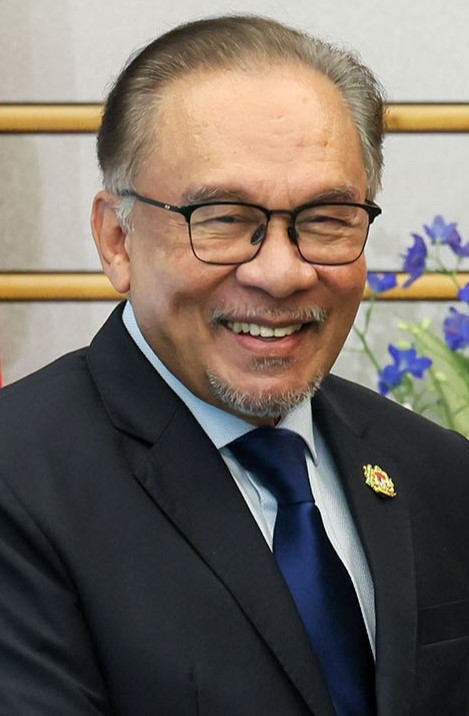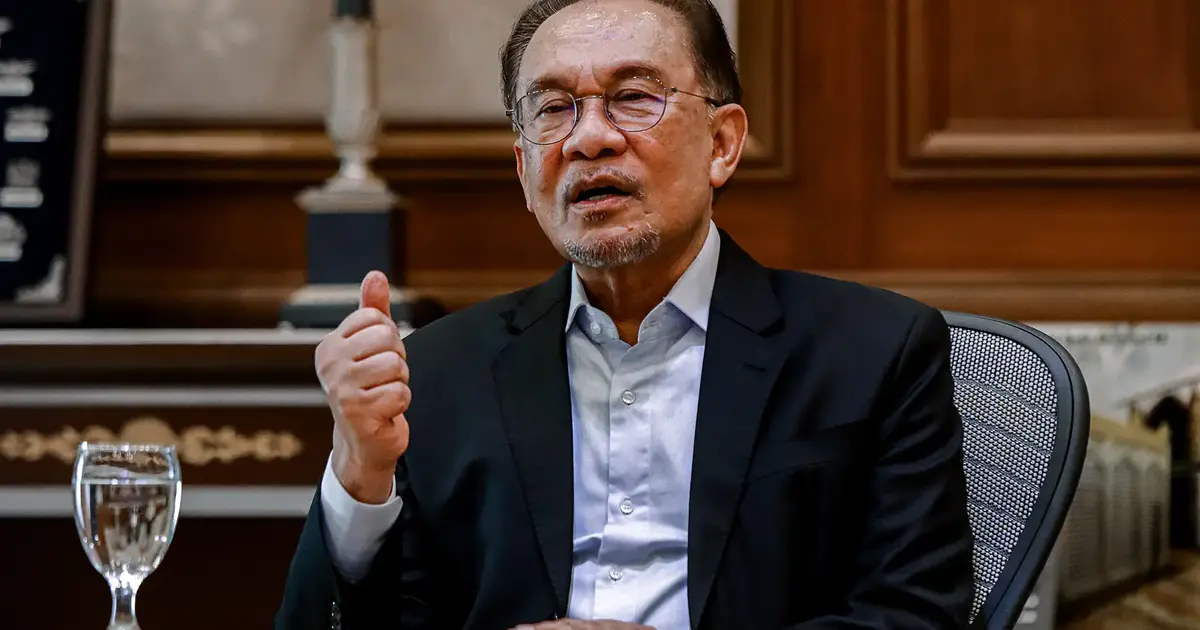
Prime Minister Anwar Ibrahim has delivered a pointed message to Europe: developing nations will no longer submit to what he characterises as unequal and unfair treatment from wealthy Western countries. Speaking in his capacity as Malaysia's leader, Anwar signalled that nations in the Global South are prepared to look elsewhere for partnerships and solutions when confronted with what they perceive as discriminatory practices from European governments.
The prime minister grounded his argument in concrete experience, pointing to Malaysia's current defence-related dispute with Norway as a textbook example of the kind of double standards that developing countries frequently encounter. Rather than accepting Norway's position without question, Anwar has made clear that Malaysia intends to pursue alternative avenues and seek redress through other channels. This stance reflects a broader shift in how middle-income nations like Malaysia are asserting their sovereignty and refusing to accept terms dictated by wealthier nations on the basis of economic or geopolitical leverage.
Anwar's comments arrive at a moment when global power dynamics are visibly recalibrating. Developing economies, particularly in Asia and Africa, have grown more confident in asserting their interests and more willing to diversify their partnerships across multiple powers rather than remaining locked into traditional relationships with Europe or the West. Malaysia, as a significant Southeast Asian economy and an influential voice within the Non-Aligned Movement, sits at the nexus of these shifting alignments.
The disagreement with Norway, while specific, carries symbolic weight. It underscores the reality that even on technical or specialised matters—such as defence procurement or standards-related issues—smaller nations can feel the weight of pressure from larger, wealthier counterparts. When countries perceive such pressure as unjust or applied selectively (with different rules for allies versus others), it generates precisely the kind of frustration Anwar articulated. The Malaysian government's willingness to seek alternatives rather than capitulate signals that such leverage is diminishing in effectiveness.
For Malaysia and other developing nations, the availability of alternative partners has fundamentally altered negotiating dynamics. China, India, regional powers within ASEAN, and emerging economies in Africa all offer potential trade, defence, and diplomatic relationships. This proliferation of choices means that European nations can no longer assume their preferences will automatically prevail. Anwar's remarks essentially communicate that Malaysia will allocate its partnerships based on how it is treated, not on historical convenience or assumed alignment.
The prime minister's framing also touches on a sensitive issue within Malaysia's foreign policy: the perception that the country sometimes faces criticism or conditions from Western nations—including European countries—on issues ranging from trade to human rights, while the same standards are not uniformly applied globally. Whether the grievance relates to defence contracts, labour standards, environmental practices, or governance matters, there is a consistent Malaysian view that expectations are unequally distributed. Anwar's statement validates these frustrations and positions the government as willing to push back.
From a regional perspective, Anwar's language may resonate with other ASEAN members who harbour similar sentiments. Thailand, Indonesia, Vietnam, and the Philippines have all, at various points, expressed concern about perceived double standards in how European nations engage with Asia compared to how they engage with each other or with traditional allies. By articulating this theme, Anwar potentially amplifies a chorus of voices within Southeast Asia calling for more reciprocal and balanced international relationships.
The specific Norway dispute, while not fully detailed in Anwar's public remarks, likely involves technical or regulatory barriers that Malaysia views as protectionist or discriminatory. Whether the matter concerns defence equipment standards, trade conditions, or access to certain technologies, Malaysia's response—to seek alternatives rather than comply—demonstrates a fundamental confidence in its ability to find other solutions. This contrasts with an earlier era when developing nations might have had fewer options and been forced into passive acceptance.
Anwar's stance also carries domestic political significance. By taking a firm public line against what he frames as unfair European treatment, the prime minister appeals to nationalist sentiment and demonstrates leadership that protects national interests. This plays well with Malaysia's domestic audience, particularly among constituencies concerned about sovereignty and the balance of power in international relations. It reinforces his image as a leader willing to stand up to larger powers rather than compromise out of deference.
Looking ahead, Anwar's comments may influence how Malaysia calibrates its relationships with European nations more broadly. While Malaysia maintains important ties with Europe—commercial, educational, and diplomatic—the government's willingness to contemplate alternative partnerships could shift the calculus in bilateral negotiations. European governments that assume Malaysia will prioritise traditional Western relationships may find themselves needing to offer more attractive terms or demonstrate greater fairness in their dealings.
The prime minister's message ultimately reflects a maturation in how developing nations view their place in global affairs. Rather than accepting a subordinate role or assuming that Western preferences should take precedence, countries like Malaysia increasingly assert that reciprocity, fairness, and mutual respect are non-negotiable foundations for partnerships. Anwar's invocation of Malaysia's dispute with Norway serves as a reminder that this new assertiveness is not merely rhetorical but backed by genuine willingness to pursue divergent paths when necessary.