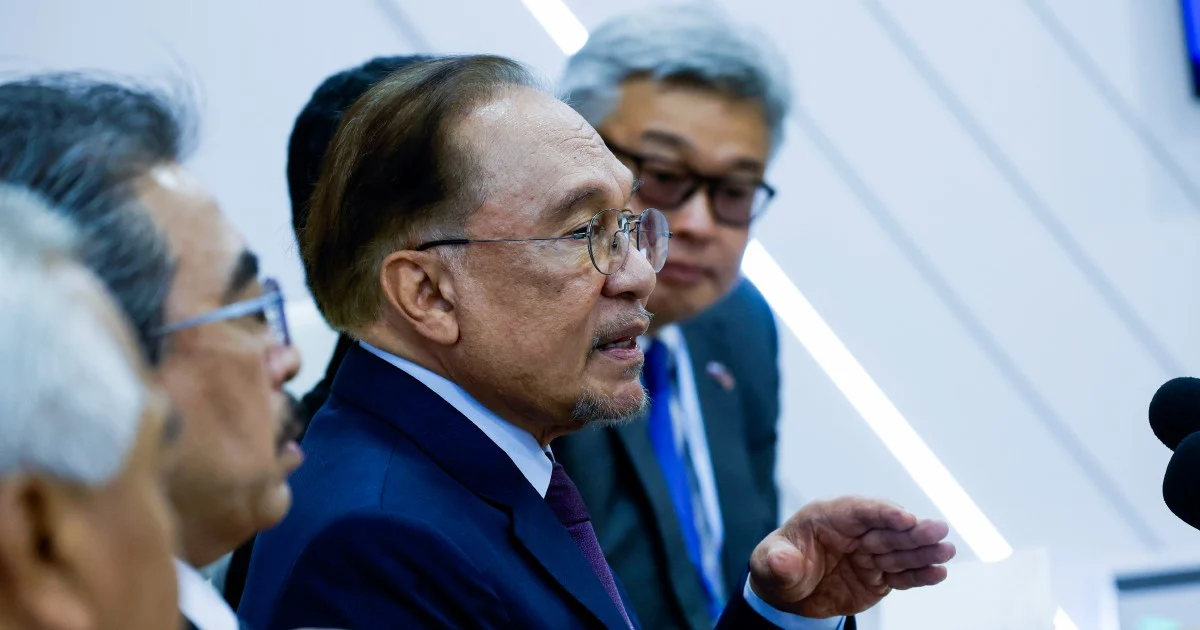
Malaysia has signalled its backing for a newly brokered peace agreement between the United States and Iran, positioning the accord as a meaningful development in efforts to stabilise one of the world's most volatile regions. Speaking at an international gathering in Kazan, Malaysian officials articulated the country's hope that such diplomatic breakthroughs can help diminish tensions and create conditions for sustainable peace across the Middle East. This endorsement reflects Kuala Lumpur's longstanding interest in fostering regional dialogue and reducing the cycle of conflict that has characterised much of recent Middle Eastern politics.
Yet Malaysia's position transcends simple optimism about bilateral US-Iranian relations. The government has simultaneously emphasised that true and durable peace in the Middle East cannot be achieved through selective diplomatic successes alone. Instead, Malaysian leaders have stressed that the international community must maintain equal urgency and commitment to resolving the interconnected crises affecting Gaza and Lebanon, two territories where civilian suffering has reached critical levels. This dual-track messaging reflects a diplomatic approach that recognises both the symbolic importance of US-Iran cooperation and the practical reality of ongoing humanitarian emergencies that demand concurrent attention.
The Malaysian government's framing of this issue carries particular weight in Southeast Asian capitals. As a Muslim-majority nation with significant Palestinian diaspora communities and strong historical ties to broader Islamic causes, Malaysia often serves as a voice for Arab and Muslim concerns within multilateral forums. By welcoming the US-Iran agreement while simultaneously insisting on Gaza and Lebanon action, Kuala Lumpur signals to regional constituencies that it recognises diplomatic progress without abandoning core humanitarian principles. This positioning helps maintain domestic political credibility while engaging constructively with international peace processes.
The Gaza conflict, now spanning several years with devastating humanitarian consequences, has become a defining test of international commitment to civilian protection and Palestinian self-determination. Malaysia's insistence that Gaza remain central to any serious Middle East peace agenda reflects both ethical commitments and practical calculations. The territory's crisis has mobilised public opinion across Southeast Asia and South Asia, making it impossible for regional governments to downplay Palestinian issues without facing domestic backlash. By coupling its US-Iran endorsement with explicit Gaza emphasis, Malaysia calibrates its diplomatic messaging for multiple audiences.
Lebanon represents a distinct but equally pressing dimension of Middle Eastern instability. The country has endured years of political paralysis, economic collapse, and cross-border military operations that have displaced hundreds of thousands of civilians. Lebanon's deteriorating conditions have direct ramifications for regional stability, refugee flows, and the broader architecture of Middle Eastern relations. Malaysia's elevation of Lebanon alongside Gaza suggests a holistic understanding that fragmented peace efforts—addressing some conflicts while ignoring others—inevitably prove ephemeral and insufficient for genuine regional transformation.
The strategic timing of Malaysia's statement from Kazan, presumably at a major international gathering, underscores how middle-power nations navigate complex global disputes. Malaysia lacks the military capacity or permanent Security Council seat that grants permanent powers direct influence over Middle Eastern outcomes. Instead, countries like Malaysia accumulate diplomatic influence through moral clarity, consistent advocacy for international law, and willingness to articulate perspectives that reflect non-aligned perspectives. By clearly supporting beneficial diplomatic progress while refusing to ignore ongoing crises, Malaysia positions itself as a responsible voice concerned with universal principles rather than great-power interests.
The US-Iran dynamic carries particular significance for regional stability given decades of animosity between these powers. Any agreement reducing direct confrontation has potential ripple effects across the Middle East, where US and Iranian proxies have engaged in numerous conflicts. A more stabilised US-Iranian relationship theoretically creates space for addressing secondary conflicts like those affecting Gaza and Lebanon, as competing power dynamics become less zero-sum. However, Malaysia's emphasis on the Gaza and Lebanon situations implicitly acknowledges that even US-Iran cooperation does not automatically resolve Palestinian and Lebanese crises, which involve multiple parties and require dedicated diplomatic effort.
For Malaysian policymakers, supporting the US-Iran agreement while maintaining focus on Gaza and Lebanon also reflects calculations about ASEAN credibility and relevance. Southeast Asian nations increasingly contribute to international peacekeeping, humanitarian operations, and diplomatic forums addressing global crises. By articulating balanced positions that acknowledge progress while refusing complacency about unresolved human rights emergencies, Malaysia reinforces ASEAN's collective commitment to international law and humanitarian principles. This approach potentially strengthens Southeast Asian voices in international forums where Middle Eastern affairs are debated.
The broader implication of Malaysia's statement involves questions about how selective peace agreements can contribute to—or detract from—comprehensive regional stabilisation. Diplomacy between major powers often operates separately from humanitarian crises affecting civilians, creating situations where strategic agreements coexist with ongoing suffering. Malaysia's insistence that these dimensions must be addressed simultaneously reflects a conviction that fragmented peace processes ultimately prove insufficient. This perspective, articulated from a Southeast Asian perspective, may influence how other middle-power nations calibrate their responses to Middle Eastern diplomatic developments.
Moving forward, Malaysia's measured yet principled stance offers lessons for how regional powers can support positive diplomatic developments while maintaining commitment to unresolved humanitarian crises. The government has essentially argued that welcoming the US-Iran accord does not require abandoning advocacy for Palestinian and Lebanese populations. This both-and rather than either-or approach suggests that truly sustainable Middle Eastern peace requires attention to multiple simultaneous conflicts, consistent international pressure for civilian protection, and refusal to treat some populations' suffering as less important than great-power strategic calculations. For Malaysian readers and Southeast Asian observers, the statement reinforces the principle that lasting regional stability demands comprehensive commitment rather than selective engagement with convenient diplomatic successes.

