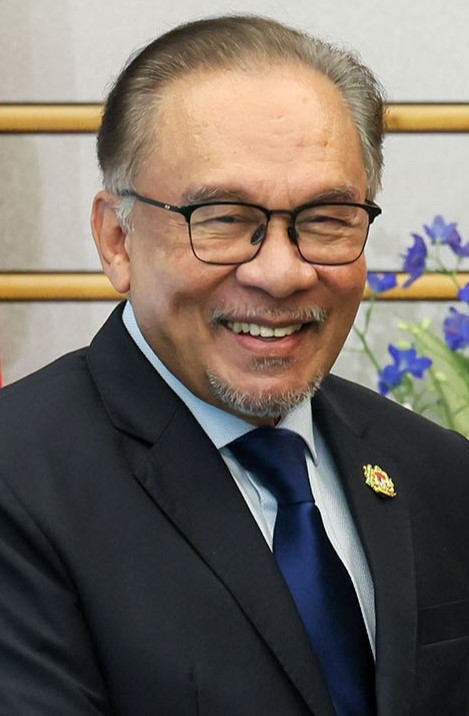
Prime Minister Datuk Seri Anwar Ibrahim's forthcoming trip to Ashgabat from June 18 to 19 signals a strategic push to elevate bilateral relations between Malaysia and Turkmenistan, with officials anticipating substantive progress across multiple economic sectors that align with both nations' development priorities.
The visit represents a significant diplomatic engagement for Malaysia in Central Asia, a region where the country has historically maintained lower-profile connections despite substantial mutual interests. Turkmenistan, as one of the world's leading natural gas producers, presents considerable opportunities for Malaysian investment and energy partnerships at a time when the region is reshaping its geopolitical alignments and seeking new commercial partnerships beyond traditional markets.
Energy cooperation stands foremost among the anticipated outcomes of the prime minister's visit. Malaysia's growing energy demands and Turkmenistan's vast hydrocarbon reserves create a natural foundation for collaboration. The Central Asian nation possesses proven natural gas reserves among the world's largest, and Malaysian companies have demonstrated increasing appetite for participation in upstream and downstream projects across diverse geographical markets. Enhanced engagement could facilitate knowledge transfer, technological cooperation, and potential joint ventures in liquefied natural gas processing and distribution infrastructure.
Beyond the energy sector, transportation and logistics represent equally compelling avenues for mutual benefit. Malaysia's position as a major maritime hub in Southeast Asia, coupled with its sophisticated port infrastructure and established shipping networks, offers Turkmenistan valuable gateways for accessing regional and global markets. Conversely, landlocked Turkmenistan's strategic location along historical Silk Road corridors provides Malaysian businesses and investors with enhanced connectivity to Central Asian markets and westward routes toward Europe and the Middle East. Deepening cooperation in these sectors could include port development partnerships, maritime service agreements, and investment in multimodal transportation infrastructure.
Agricultural collaboration emerges as a third pillar of expected cooperation, reflecting complementary needs and capabilities. Malaysia possesses advanced agricultural technologies, established food processing industries, and significant expertise in tropical crop cultivation and resource management. Turkmenistan, meanwhile, has substantial arable land and agricultural potential that remains underutilized relative to its productive capacity. Technology transfer partnerships, joint ventures in agribusiness, and trade frameworks for Malaysian processed agricultural goods could benefit both economies while creating employment and spurring rural development.
For Malaysia, strengthened ties with Turkmenistan form part of a broader strategic reorientation toward deepening engagement across Asia's diverse regions. The government has consistently emphasised building stronger connections with Central and West Asian nations as a means of diversifying trade relationships, reducing economic dependency on traditional partners, and positioning Malaysian companies for greater regional influence. Turkmenistan offers a relatively less-explored market where Malaysian competitive advantages in technology, finance, and business sophistication could generate meaningful returns.
From Turkmenistan's perspective, engaging with Malaysia represents an opportunity to strengthen its economic ties beyond Russia and China, the traditional powerbrokers in the region. The Central Asian nation has pursued a foreign policy balancing competing interests and seeking partners that offer genuine commercial benefits without imposing geopolitical pressures. Malaysia's non-aligned stance and emphasis on pragmatic bilateral cooperation align well with Turkmenistan's preferences for maintaining strategic flexibility.
The timing of Anwar Ibrahim's visit carries additional significance within regional contexts. Malaysia continues positioning itself as a bridge between Southeast Asia and the broader Asian continent, particularly as economic opportunities expand across diverse markets. Turkmenistan, similarly, recognises the value of diversifying its partnership portfolio as global energy dynamics shift and new trade corridors emerge. Both nations face incentives to move beyond sporadic diplomatic courtesies toward substantive institutional frameworks supporting regular business engagement and investment.
Expectations surrounding concrete outcomes from the visit likely include agreements establishing regular consultation mechanisms, joint committees overseeing sectoral cooperation, and possibly preliminary frameworks for business delegations and investment missions. Such institutional scaffolding typically precedes more substantial commercial transactions and deeper integration across sectors. Malaysia's experience in negotiating comprehensive partnerships with distant nations provides a useful template for structuring engagement with Turkmenistan in ways that generate genuine economic value for both sides.
The broader significance of enhanced Malaysia-Turkmenistan relations extends beyond bilateral commercial interests to reflect evolving patterns of Asian connectivity and cooperation. As traditional power structures realign and new economic opportunities emerge across the continent, medium-sized nations like Malaysia and Turkmenistan increasingly recognise mutual advantages in building robust partnerships. Such relationships, developed through sustained high-level engagement and grounded in identified complementarities, contribute to the emergence of a more multipolar Asian system characterised by diverse partnerships rather than concentrated dependencies.
Success in deepening Malaysia-Turkmenistan ties during this visit would demonstrate that meaningful economic cooperation between geographically distant nations remains achievable when both sides identify genuine mutual interests and commit resources to institutional development. For Malaysian policymakers and business leaders, Turkmenistan represents a largely untapped market where first-mover advantages in key sectors could generate returns while supporting the government's vision of enhanced pan-Asian engagement and economic diversification.