Malaysia is preparing a nationwide advocacy initiative targeting schools to educate stakeholders about three critical pieces of legislation designed to safeguard children: the Child Act 2001, the Anti-Bullying Act 2026, and the Sexual Offences Against Children Act 2017. The rollout represents a coordinated effort between the Education Ministry and the Human Rights Commission of Malaysia (SUHAKAM) to embed child protection awareness into the formal education system, following discussions between officials from both institutions.
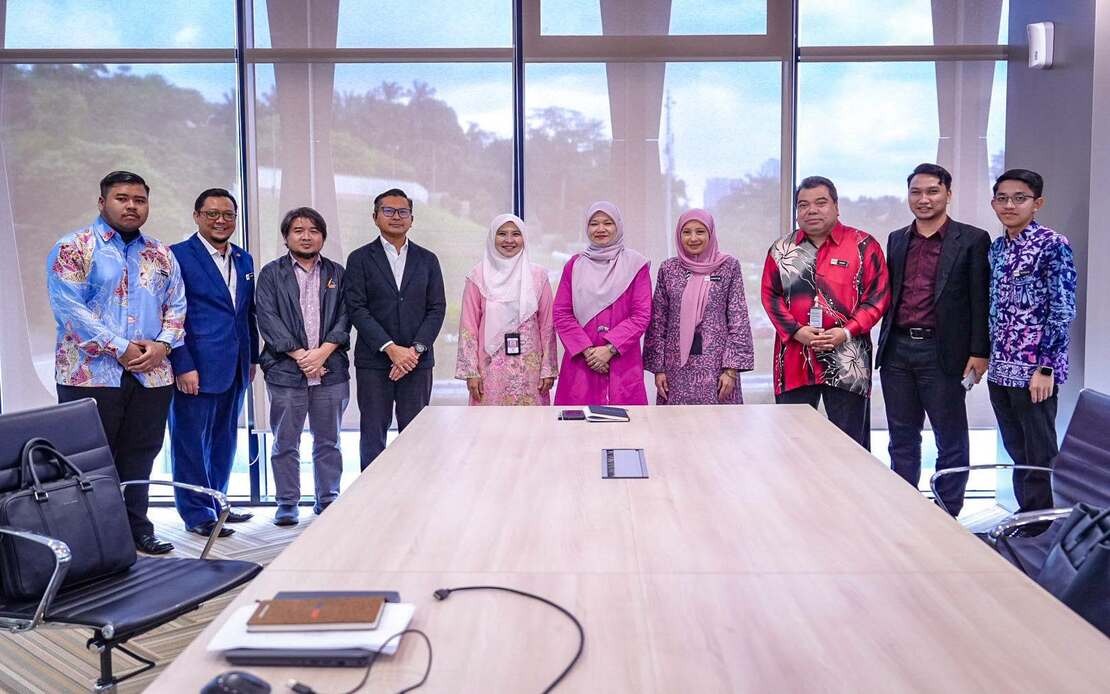
Education Minister Fadhlina Sidek announced the partnership following a meeting with SUHAKAM's delegation, which included Children's Commissioner Dr Farah Nini Dusuki and Dr Mohd Al Adib Samuri. The initiative emerged from broader conversations about persistent challenges in Malaysian schools, particularly the prevalence of bullying and sexual harassment incidents that continue to affect student wellbeing and academic performance. Rather than relying solely on reactive disciplinary measures, the advocacy approach aims to build preventative awareness from the ground up.
The three legislative frameworks form the backbone of Malaysia's child protection architecture. The Child Act 2001 establishes foundational rights and welfare provisions for minors, while the Anti-Bullying Act 2026 represents the country's first comprehensive statutory instrument specifically targeting peer-to-peer harassment in educational settings. The Sexual Offences Against Children Act 2017 criminalises various forms of abuse and exploitation, providing legal recourse for victims and accountability mechanisms for perpetrators. Together, these laws create overlapping layers of protection, yet their existence remains inadequately understood by many educators, parents, and students.
The advocacy campaign's emphasis on the education sector reflects recognition that schools are primary spaces where children spend formative hours and where many harmful incidents occur. Teachers, administrative staff, parents, and students themselves must understand not only what these laws prohibit but also their own responsibilities under them. For educators, this means recognising reportable offences and following proper notification protocols. For parents, it involves understanding how to support affected children and navigate complaint mechanisms. For students, awareness can foster peer intervention and normalise reporting of misconduct.
Bullying remains endemic in Malaysian schools despite existing anti-bullying policies in many institutions. The Anti-Bullying Act 2026 provides a legal framework beyond school-based disciplinary procedures, establishing penalties for perpetrators and protections for victims. However, awareness remains patchy, with many schools and parents unclear about distinctions between school discipline and criminal liability. Advocacy programmes can clarify when bullying crosses into territory covered by the statute and what external support mechanisms exist beyond school administration.
Sexual harassment and abuse represent particularly sensitive challenges in the Malaysian education context. Incidents involving inappropriate teacher-student relationships, peer sexual harassment, and exploitation continue surfacing in media reports. The Sexual Offences Against Children Act 2017 criminalises these acts, yet significant gaps persist between legal protections and actual reporting or prosecution rates. Young people often lack confidence in reporting systems, fear social stigma, or lack knowledge that certain behaviours constitute criminal offences. Structured advocacy can address these knowledge deficits and signal institutional commitment to child safety.
The collaboration between the Education Ministry and SUHAKAM carries particular significance because SUHAKAM brings independent human rights expertise and investigative capacity separate from government administration. SUHAKAM has previously documented child rights violations and issued recommendations to government agencies, lending credibility to awareness campaigns. When the Human Rights Commission partners with Education Ministry in advocacy, the message that child protection is non-negotiable gains institutional weight.
Minister Fadhlina's commitment that "there will be no compromise" on child rights and welfare establishes clear political positioning, particularly important in a country where education policy occasionally faces competing pressures. The statement signals that despite other demands on school systems—academic performance metrics, infrastructure challenges, resource constraints—child safety receives unequivocal priority. This framing helps insulate advocacy efforts from potential criticism that they distract from educational outcomes.
The timing of this initiative aligns with broader regional conversations about child protection in Southeast Asia. Countries across the region grapple with similar challenges: insufficient awareness among educators and parents, under-reporting of abuse, and patchy enforcement of existing protections. Malaysia's advocacy push, if effectively implemented, could establish a model demonstrating how comprehensive legal frameworks gain practical effect through systematic awareness-raising. Neighbouring countries watching Malaysia's approach may adapt elements for their own contexts.
Implementation mechanisms remain crucial to the initiative's success. Advocacy programmes could include training modules for educators delivered during professional development sessions, parent engagement events at schools, student-focused awareness activities, and digital resources accessible to diverse stakeholders. The breadth of the education sector—encompassing primary and secondary schools, urban and rural settings, government and private institutions—presents coordination challenges. Differentiated messaging appropriate for primary school children differs substantially from approaches suitable for secondary students or adult stakeholders.
Resourced adequately, the advocacy campaign offers opportunity to transform abstract legal protections into lived institutional practices. When teachers understand their reporting obligations, when principals embed child protection into school cultures, when parents recognise warning signs of abuse, and when students feel empowered to report misconduct, legal frameworks achieve their intended protective effect. Without such awareness work, even comprehensive legislation remains inert.
The initiative also implicitly acknowledges that legislative reform alone cannot address complex social problems like bullying and child abuse. Laws provide necessary structural responses, but meaningful change requires attitudinal shifts, skill development, and cultural transformation across educational communities. By positioning advocacy as central to implementation, Malaysian policymakers recognise that sustainable child protection depends on informed, committed stakeholders understanding both their responsibilities and the support systems available to them.

