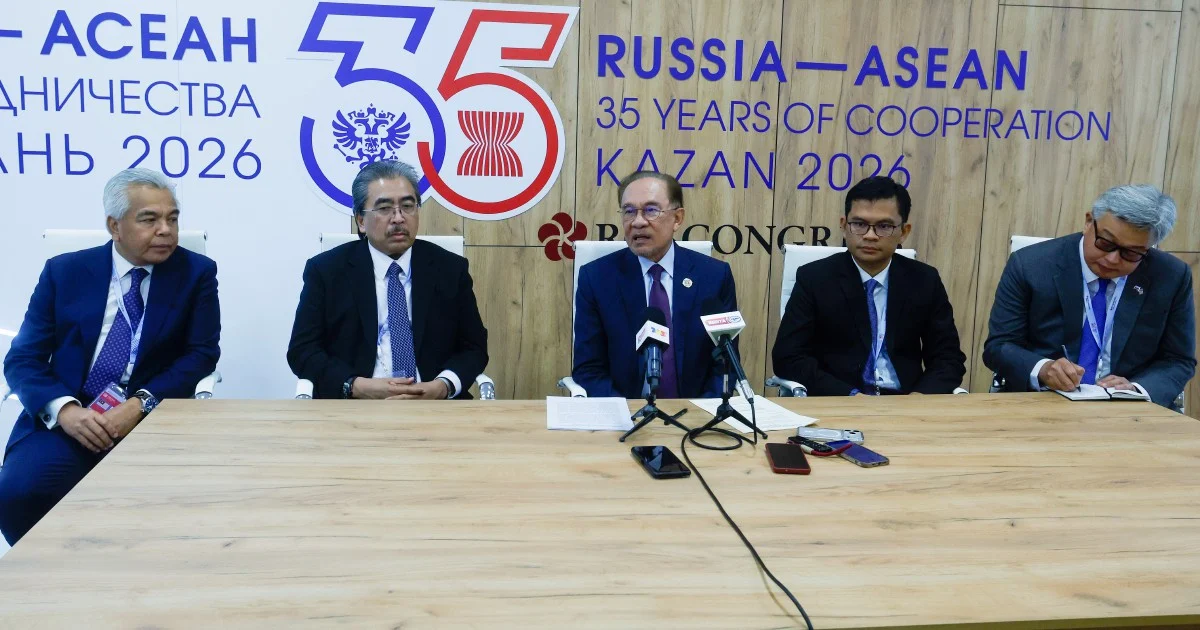
Prime Minister Datuk Seri Anwar Ibrahim has instructed relevant government agencies to accelerate the implementation of visa-free travel arrangements for Russian visitors, signalling a significant shift in Malaysia's tourism strategy aimed at restoring visitor numbers to pre-pandemic levels. The directive, underscoring the importance of removing bureaucratic barriers, reflects the government's recognition that simplified entry procedures could unlock substantial tourism revenue from a traditionally affluent source market.
The expedited timeline for visa-free access represents a calculated policy response to changing global tourism patterns and the economic contributions Russian visitors have historically made to Malaysia's hospitality and retail sectors. By eliminating the visa application process, Malaysia aims to position itself as a more attractive destination compared to regional competitors, many of whom already offer simplified entry arrangements. The move comes as tourism operators across the country grapple with the challenge of recovering visitor volumes to levels seen before the pandemic disrupted international travel.
Implementing visa-free travel with Russia carries broader geopolitical implications for Malaysia's regional positioning. The directive signals Kuala Lumpur's commitment to maintaining economic ties with Moscow despite international tensions, while balancing relationships with other major trading partners and allies. This approach reflects Malaysia's long-standing tradition of non-aligned foreign policy and its emphasis on commercial pragmatism across different regions.
For Malaysia's tourism ecosystem, Russian visitors represent a significant revenue stream. Historically, tourists from Russia and neighbouring countries have demonstrated strong spending patterns on accommodation, dining, entertainment, and luxury goods. The visa-free arrangement removes a critical friction point in the travel decision-making process, potentially leading to increased bookings and extended stays. Tour operators and hospitality businesses are likely to view this development as a catalyst for recovery in market segments that remain below historical performance levels.
The move also addresses a competitive disadvantage Malaysia has faced in attracting visitors from Russia and former Soviet states. Neighbouring Thailand and Indonesia have offered visa-free or visa-on-arrival arrangements for years, gaining market share among Russian travellers. By harmonising Malaysia's entry requirements with regional standards, the government seeks to recapture tourist flows that may have been diverted to competing destinations due to visa complications. The acceleration of this policy thus reflects not merely a tourism initiative, but a strategic response to market competition within Southeast Asia's competitive tourism landscape.
From an administrative standpoint, expediting visa-free implementation requires coordination across multiple government bodies, including immigration authorities, security agencies, and tourism boards. The streamlined timeline suggests the government has prioritised this initiative and allocated resources accordingly, signalling serious intent to materialise the arrangement within a reasonable timeframe rather than allowing bureaucratic processes to delay execution.
The decision also aligns with Malaysia's broader tourism recovery agenda following the effects of global travel disruptions. International arrivals have rebounded substantially, yet Malaysia has yet to fully recapture market share lost to aggressive promotional campaigns by regional rivals. Russian markets, while smaller than some traditional Asian sources, represent high-value tourists with disposable incomes and extended holiday periods, making them economically attractive for the country's tourism sector.
Industry observers anticipate that visa-free travel will particularly benefit Kuala Lumpur, Penang, and other established tourist destinations, while potentially opening opportunities for emerging regional attractions. Hotels, airlines, restaurants, and entertainment venues across multiple states stand to benefit from increased visitor traffic and spending. The arrangement may also stimulate ancillary sectors including retail, spa services, and cultural attractions that depend on international tourist patronage.
The timing of the announcement underscores the government's commitment to tourism recovery as part of its broader economic development strategy. As Malaysia seeks to diversify revenue sources and reduce dependence on traditional sectors, tourism plays an increasingly crucial role in employment generation and foreign exchange earnings. Visa-free arrangements with key markets represent a low-cost, high-impact policy tool that requires no direct government expenditure while potentially yielding substantial economic returns.
Looking ahead, the success of visa-free travel arrangements with Russia may set a precedent for similar arrangements with other markets. The government's willingness to expedite implementation demonstrates a recognition that swift policy action in tourism remains critical for economic recovery. Whether additional markets will receive similar treatment depends on various factors including security considerations, historical visitor volumes, and strategic partnerships.
For Malaysian businesses dependent on international tourism, this directive represents a positive signal of government support and policy agility. However, successful execution will require seamless coordination between immigration systems, training of frontline officials, and robust security protocols that balance openness with safety concerns. The real test will be how quickly the policy translates into increased visitor arrivals and sustained economic benefits for the tourism sector.