%22%2F%3E%3C%2Fpattern%3E%3C%2Fdefs%3E%3Crect%20width%3D%22100%25%22%20height%3D%22100%25%22%20fill%3D%22url(%23ph2q91fg)%22%2F%3E%3Crect%20width%3D%22100%25%22%20height%3D%22100%25%22%20fill%3D%22url(%23ph2q91fp)%22%2F%3E%3Ctext%20x%3D%2250%25%22%20y%3D%2250%25%22%20text-anchor%3D%22middle%22%20dominant-baseline%3D%22central%22%20fill%3D%22rgba(255%2C255%2C255%2C0.95)%22%20font-family%3D%22Georgia%2C%20'Times%20New%20Roman'%2C%20serif%22%20font-weight%3D%22700%22%20font-size%3D%22170%22%20letter-spacing%3D%22-0.02em%22%3EMalaysia%3C%2Ftext%3E%3C%2Fsvg%3E)
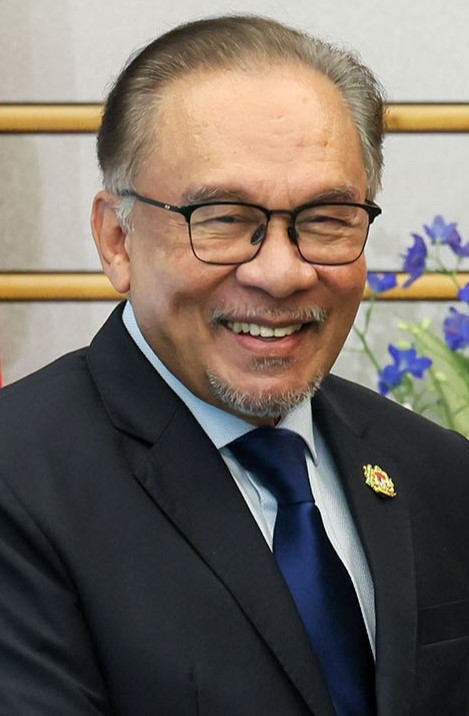
Prime Minister Datuk Seri Anwar Ibrahim's upcoming visit to Turkmenistan represents a strategic effort to position Malaysia as an active economic player in Central Asia, a region increasingly important to Southeast Asian development ambitions. The June visit comes as Malaysia seeks to diversify its energy supply chains and open new markets beyond traditional trading partners, reflecting broader Asian connectivity initiatives that aim to link East and Central Asia through enhanced commercial ties.
Turkmenistan, a major natural gas exporter sitting at the crossroads of Asia's energy corridors, holds significant appeal for Malaysian businesses and policymakers. The nation's substantial hydrocarbon reserves and infrastructure development projects present tangible opportunities for Malaysian companies in the energy sector, construction, and related industries. For Malaysia, which relies heavily on imported energy resources to fuel its manufacturing and industrial base, establishing stronger ties with alternative suppliers like Turkmenistan could enhance long-term energy security and reduce dependence on any single source.
The visit's focus on investment ties reflects recognition that Malaysian capital and expertise could support Turkmenistan's economic diversification efforts. Malaysian investors, particularly those experienced in petrochemicals, liquefied natural gas operations, and downstream energy development, possess capabilities relevant to Turkmenistan's modernization agenda. Conversely, access to Turkmenistan's energy resources could benefit Malaysian energy companies seeking to expand their upstream portfolios and secure long-term supply contracts.
Bilateral trade between Malaysia and Turkmenistan has historically remained modest, suggesting substantial untapped potential. The Prime Minister's diplomatic mission signals government commitment to elevating commercial engagement beyond existing baseline levels. Malaysian exporters in manufacturing, consumer goods, and services could identify new customer bases in Central Asia, particularly if bilateral trade frameworks are strengthened through official channels. Similarly, Malaysian importers might secure competitive advantage through direct supplier relationships in the energy sector.
From a geopolitical perspective, Malaysia's proactive engagement with Turkmenistan aligns with broader Southeast Asian efforts to strengthen ties across Eurasian corridors. As China, Russia, and other regional powers expand their Central Asian influence through Belt and Road initiatives and strategic partnerships, Malaysia's presence underscores Southeast Asia's intent to participate meaningfully in Eurasian development rather than remain peripheral. This outreach also demonstrates Malaysia's multi-aligned foreign policy approach, balancing engagement with partners across different regions.
The energy dimension carries particular relevance given global energy market volatility and the transition toward cleaner fuel sources. Turkmenistan's natural gas could serve as a transitional energy source for Malaysian power generation and petrochemical feedstock, providing more stable pricing than spot market purchases. Malaysian involvement in Turkmen energy projects could also position local companies to participate in regional infrastructure development, creating employment and transferable expertise in project management and engineering.
Investment cooperation extends beyond energy into broader economic sectors. Malaysian construction and engineering firms could pursue infrastructure contracts, while financial services providers might explore opportunities supporting bilateral trade. Government-to-government ties, when elevated through prime ministerial visits, typically facilitate faster commercial discussions and institutional coordination that benefit individual businesses seeking to enter unfamiliar markets.
The timing of this visit reflects Malaysia's strategic calendar, where senior leadership allocates diplomatic effort to relationship-building and market-opening activities. Successful visits of this nature often produce memoranda of understanding and sectoral cooperation frameworks that create clearer pathways for business engagement. Such formal agreements provide Malaysian companies with assurance regarding regulatory conditions, dispute resolution mechanisms, and market access commitments.
For Turkmenistan, strengthening ties with Malaysia offers diversification benefits in its international relationships and opens Southeast Asian markets for Turkmen products and services. Enhanced diplomatic relations can facilitate knowledge exchange and skills development, areas where Malaysian expertise in financial services, manufacturing standards, and business administration could prove valuable. Turkmenistan may also view Malaysian partnership as a way to strengthen its position within Asian regional architecture.
The broader Southeast Asian community stands to benefit from Malaysia's deepening Central Asian engagement. Successful commercial and energy partnerships could create templates for other regional nations to follow, potentially enhancing ASEAN's collective economic influence in Eurasia. As Southeast Asia navigates complex great power competition and regional power shifts, independent trade relationships with distant partners reinforce the region's strategic autonomy and economic resilience.
Looking forward, the success of this diplomatic initiative will likely be measured by concrete outcomes—whether memoranda translate into sustained business activity, whether energy discussions advance toward supply agreements, and whether investment frameworks actually attract capital deployment. Malaysian government support through export credit facilities, investment guarantees, and trade missions could accelerate private sector participation. Meanwhile, Malaysian companies must conduct thorough market research and risk assessment before committing resources to unfamiliar Turkmen business environments.
Ultimately, Anwar's visit signals Malaysia's determination to expand economic horizons beyond established regional patterns. Central Asia represents a frontier for Malaysian business expansion, offering resources, markets, and partnership opportunities that align with national economic objectives. The success of these initiatives will depend on sustained engagement, practical problem-solving, and willingness from both sides to invest in relationship-building beyond ceremonial diplomacy.