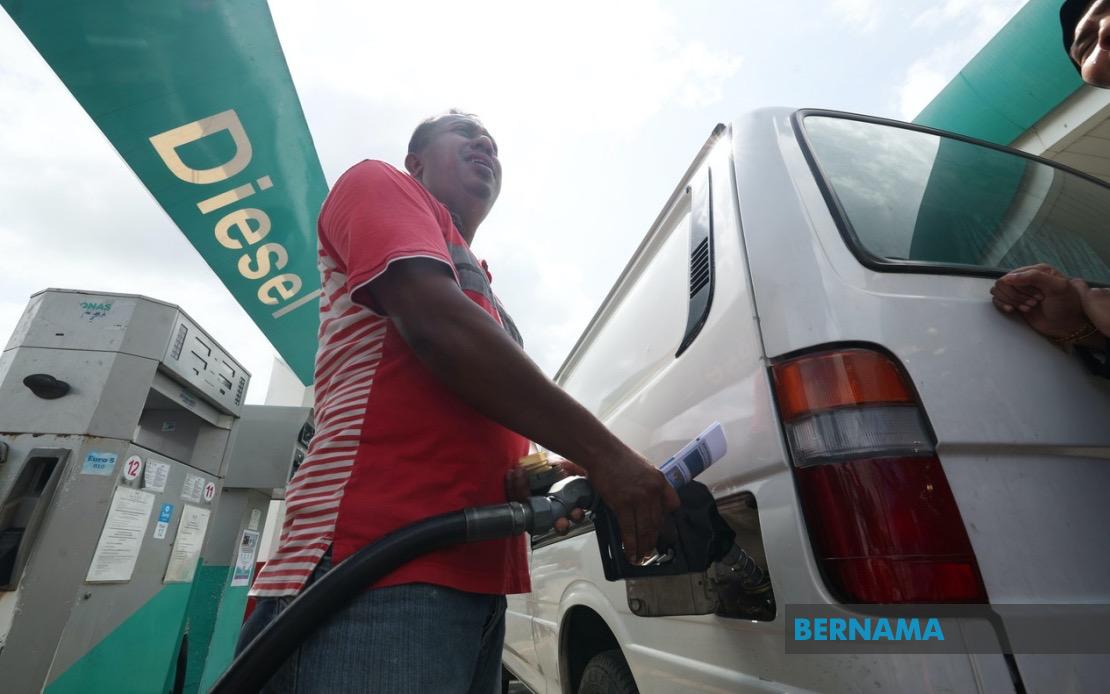
Prime Minister Datuk Seri Anwar Ibrahim announced at Bintulu Port that the MADANI Government will implement a new pricing structure for subsidised diesel, reducing the price to RM2.10 per litre beginning July 2026. The decision represents a significant shift in fuel pricing strategy as Malaysia continues to balance fiscal responsibility with household affordability.
The subsidy reduction forms part of a broader programme of targeted fuel support that mirrors the BUDI MADANI RON95 initiative already in place. This approach concentrates government assistance on verified Malaysian citizens rather than applying blanket subsidies across the entire fuel supply chain. By implementing verification through MyKad, authorities can better control costs while ensuring support reaches intended beneficiaries.
The targeted subsidy model represents an evolution in Malaysia's fuel pricing philosophy. Rather than universally subsidising all diesel sold domestically, the government now focuses resources on qualifying Malaysian drivers. This shift acknowledges the fiscal constraints faced by the government while attempting to protect lower-income households from fuel price volatility. The MyKad verification system, already operational for RON95 fuel, provides an established infrastructure for implementing similar controls on diesel.
Finance Minister II Datuk Seri Amir Hamzah Azizan is scheduled to provide detailed implementation guidelines to media representatives in Kuala Lumpur following the Prime Minister's announcement. These briefings typically cover operational mechanics, eligibility criteria, and transition timelines that fuel retailers and consumers must understand. The additional clarity from the Finance Ministry will be crucial for fuel station operators preparing systems and procedures to manage the new pricing regime.
For Malaysian consumers, the RM2.10 per litre price point carries significant implications. Many diesel-dependent sectors, including transportation, agriculture, and logistics, rely heavily on fuel cost stability for operational planning. A structured subsidy programme allows businesses to forecast expenses more accurately than volatile market pricing would permit. However, the targeted nature of the subsidy means only verified Malaysian citizens qualify, potentially creating complications for foreign workers and certain commercial operations.
The timing of this announcement, made during an event at Bintulu Port in Sarawak, underscores the government's attention to regional economic concerns. Sarawak's economy depends substantially on energy production and related industries where fuel costs directly impact competitiveness. By addressing diesel pricing in this setting, the Prime Minister acknowledged how federal fuel policies affect state-level economic activity and cost structures.
Comparisons to the BUDI95 programme provide context for understanding implementation challenges. That RON95 subsidy scheme has operated since its introduction with varying degrees of success, demonstrating that Malaysia possesses the administrative capacity for targeted fuel programmes. However, diesel's broader commercial applications compared to RON95 suggest implementation may involve additional complexity, particularly for commercial fleet operators who require larger quantities.
The July 2026 implementation date provides approximately six months for preparation across government agencies, financial institutions managing the verification system, and petroleum retailers. This timeline allows sufficient notice for stakeholders to adjust operations and educate consumers about verification requirements. Industry players will need to integrate MyKad authentication systems or upgrade existing infrastructure to accommodate the new subsidised diesel pricing track.
From a macroeconomic perspective, reducing subsidised diesel costs addresses inflation pressures affecting transport and logistics sectors. These industries form crucial backbone services for Malaysia's broader economy, influencing costs throughout supply chains. Lower fuel expenses could theoretically reduce consumer prices for goods dependent on transportation, though market dynamics mean fuel savings do not always translate fully to end consumers.
Regional context adds another dimension to this policy. Southeast Asian neighbours including Indonesia and Thailand have implemented various subsidy approaches, creating competitive dynamics around fuel pricing. Malaysia's targeted subsidy model positions the country between fully subsidised systems and completely deregulated markets, potentially offering advantages for attracting regionally competitive logistics operations.
The subsidy programme also reflects fiscal sustainability concerns increasingly evident across Malaysian policymaking. Full blanket subsidies consume significant government budgets that could otherwise fund education, healthcare, or infrastructure development. By targeting assistance to verified Malaysian citizens, the government attempts to balance welfare concerns with fiscal responsibility.
Looking forward, the success of this subsidised diesel programme will depend heavily on implementation efficiency. System reliability for MyKad verification at thousands of fuel stations nationwide will prove critical. Any technical difficulties or verification delays could undermine the programme's effectiveness and frustrate consumers expecting promised price levels.

