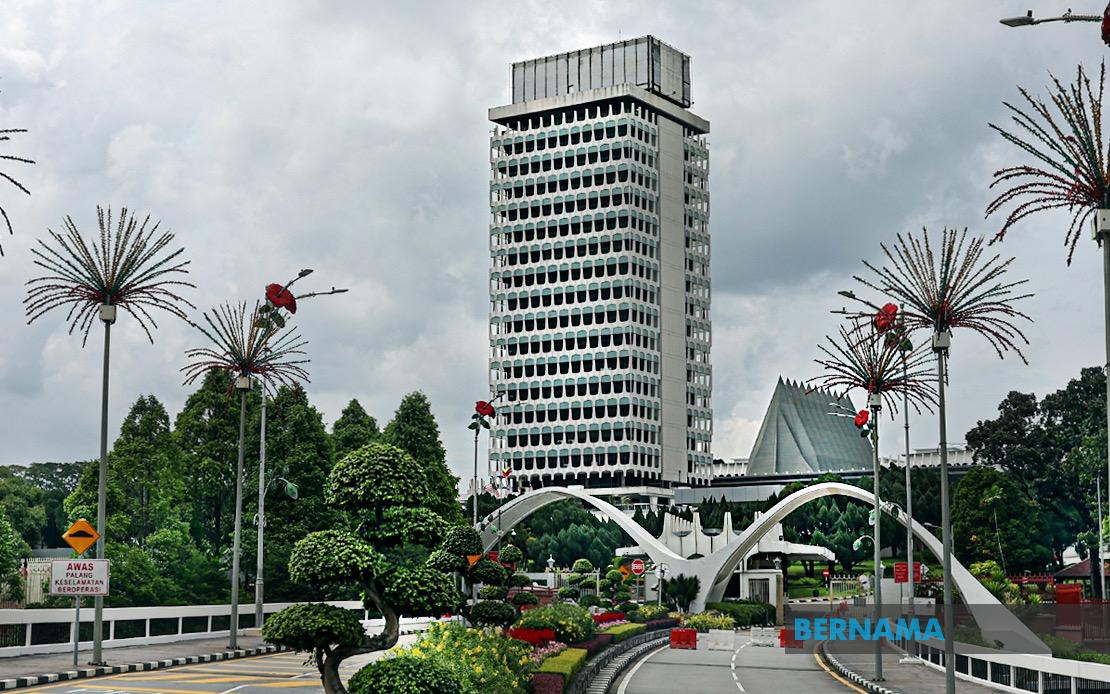
Malaysia's lawmakers are set to scrutinise the country's diplomatic response to a potential ceasefire arrangement between the United States and Iran, alongside progress updates on a flagship domestic trade initiative, when the Dewan Rakyat convenes today. The full parliamentary agenda reveals a diverse range of issues occupying legislators' attention, from regional geopolitics to consumer welfare and public health emergencies.
The foreign policy dimension takes precedence as Datuk Mohd Isam Mohd Isa from the Tampin constituency will direct questions to the Foreign Minister during the Question Time segment following the 10 am start. His queries will probe Malaysia's official position on the announced Memorandum of Understanding between Washington and Tehran, along with clarifications on what concrete measures the government intends to pursue to support stability and peaceful resolution across West Asia. This line of questioning reflects broader regional anxiety about the trajectory of Middle Eastern tensions and Malaysia's responsibility to chart an independent course while maintaining diplomatic balance.
The inquiry holds particular significance for Malaysia, which maintains economic and cultural ties across the region and has historically positioned itself as a voice for non-aligned principles in international forums. The country's response to major geopolitical developments signals its willingness to engage constructively while defending national interests. The question period will provide parliamentarians and the public with clarity on how Kuala Lumpur intends to leverage any diplomatic breakthroughs for regional prosperity and how it will calibrate its own foreign policy engagement in this fluid environment.
Domestically, attention will shift toward the MADANI Mart programme, a cornerstone initiative designed to stabilise living costs and empower small-scale business operators. Datuk Rosol Wahid, representing the Hulu Terengganu constituency, will seek comprehensive data on the scheme's expansion trajectory, including the exact number of operational outlets, applications in the pipeline from prospective entrepreneurs, and the total pool of business participants benefiting from the initiative. This parliamentary probe underscores the government's commitment to transparency regarding implementation timelines and uptake rates among the intended beneficiaries.
The MADANI Mart programme emerged as a response to persistent consumer complaints about retail pricing and limited access to affordable goods in underserved areas. By creating a network of subsidised retail points managed by local entrepreneurs, the government aims to compress margins in the supply chain while generating livelihood opportunities for small business owners. The parliamentary discussion today will illuminate whether the initiative is gaining traction at the pace envisioned by policymakers or whether bottlenecks in the application process or outlet establishment are hindering rollout.
Synthetic drug abuse emerges as another pressing concern commanding parliamentary attention. Khoo Poay Tiong representing Kota Melaka will ask the Home Minister to furnish statistics on addiction cases involving synthetic substances recorded since 2023, alongside details of the government's counter-strategy. The question specifically references the escalating menace posed by fentanyl, a potent synthetic opioid that has devastated communities across multiple countries and increasingly surfaces in Malaysian drug seizures and trafficking investigations. This line of inquiry reflects legislators' apprehension about whether existing enforcement and rehabilitation frameworks are calibrated adequately to confront this particular threat.
Fentanyl presents a uniquely acute challenge because of its lethality at microscopic doses and its prevalence in illicit drug supplies globally. Malaysian authorities have reported concerning trends of fentanyl mixing with heroin and other street drugs, multiplying overdose fatalities and complicating treatment interventions. Parliamentary scrutiny of government strategy on this front will determine whether Malaysia's drug control apparatus is adequately resourced and oriented toward prevention, detection and public health responses alongside traditional supply-reduction tactics.
Trade relations with the United States also feature prominently on today's agenda. Datuk Seri Hamzah Zainudin from the Larut constituency will pose questions to the Minister of Investment, Trade and Industry concerning the status of the Agreement on Reciprocal Trade between Malaysia and the United States. This bilateral trade framework carries significance for Malaysian exporters seeking preferential access to the American market and for companies in digitally intensive sectors navigating regulatory harmonisation with Washington. The parliamentary update will clarify implementation timelines, progress toward negotiated thresholds, and tangible benefits accruing to Malaysian businesses under the arrangement.
The legislative agenda extends beyond interrogation of the executive to include substantive lawmaking. Three amendments bills are slated for first reading, encompassing revisions to the Prisons Act, the Competition Act and the Competition Commission Act, all dated 2026. These legislative initiatives signal the government's intent to modernise the penal system, strengthen competition oversight and refine the institutional architecture governing market conduct. The amendments suggest recalibration of sentencing frameworks, expanded investigative powers for competition authorities and adjustments to the mandate and structure of the regulatory commission.
The prisons amendment bears relevance to Malaysia's criminal justice modernisation and rehabilitation philosophy, potentially addressing overcrowding, security protocols and inmate rehabilitation programming. The competition amendments reflect global trends toward robust antitrust enforcement and adaptation to digitalised markets where traditional market boundaries dissolve. These legislative measures, while procedurally appearing routine through first reading, represent significant policy shifts that will structure economic and criminal justice outcomes over coming years.
The breadth of today's parliamentary agenda underscores the multifaceted nature of contemporary governance challenges confronting Malaysia. Geopolitical positioning in a volatile region, economic inclusion through retail innovation, public health crises stemming from synthetic drugs and trade competitiveness all demand legislative and executive attention simultaneously. The Dewan Rakyat sitting provides a formal mechanism through which elected representatives can extract accountability from ministers and chart the government's course on these interconnected fronts. The questions posed and responses delivered will resonate beyond the chamber, signalling to stakeholders ranging from foreign governments to domestic entrepreneurs to ordinary citizens how Malaysia intends to navigate the complex terrain of twenty-first century policymaking.

